




"Azul | Hello (Tashelhit Berber greeting)"
Agadir is Morocco's reliable sun-and-beach base, 350 days of sunshine, surf at Taghazout 20 km north, and easy day trips to Paradise Valley palm gorges and Souss-Massa National Park (flamingos, ibis). Sweet spots are March to May and September to November, mild and uncrowded. July and August are hot and packed with European charters.
Don't expect medina atmospherics, the rebuilt city is utilitarian. Head to Taroudant or Essaouira for old Morocco. Mid-summer beach hotels jam with European tour groups and prices spike. Ramadan timing (shifts annually) reduces daytime food and cafe options. Once you start in Agadir, keep the next stops close enough to preserve the day. In Agadir, a local replacement usually keeps the route clearer than a cross-town detour.
Current conditions and the practical reference material that helps turn the saved places into a trip.
7-day forecast from Open-Meteo. UV badges flag days when sun protection matters (3 and above is moderate; 8 and above is risk territory for unprotected fair skin within 30 minutes).
Typical highs around 36°C, lows around 22°C. The drier end of the year.
Typical highs around 21°C, lows around 9°C. Most of the year’s greyest, wettest weeks.
Public holidays from Nager.Date.
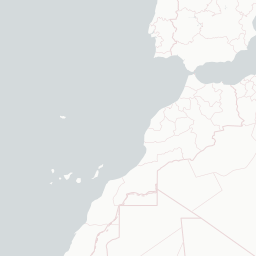
Agadir is a major city in Morocco, on the shore of the Atlantic Ocean near the foot of the Atlas Mountains, just north of the point where the Souss River flows into the ocean, and 509 kilometres (316 mi) south of Casablanca. Agadir is the capital of the Souss-Massa region and the seat of Agadir-Ida Ou Tanane Prefecture.
The links below support the changing or licensed reference material on this page. Personal notes and ordinary geographic facts are not footnoted individually.
Monthly highs, lows, rainfall — long-term averages, NASA POWER.
Maps, image licenses, and the full dataset registry are listed in site credits.