

"Alger la Blanche | Algiers the White"
The Casbah of Algiers is one of the great Mediterranean cities to wander, a labyrinthine Ottoman quarter of palaces, hammams, and steep stepped lanes, plus the Bardo Museum and Notre-Dame d'Afrique basilica. Visit March to May or October to November when the heat eases. Algeria's tourism remains restricted. Book a guide to navigate visa logistics.
Check current travel advisories carefully, Algeria requires advance visas for most nationalities and conditions can change. Avoid the Sahara border zones and political demonstrations. July to August are hot and many residents leave. Some sites limit hours. For Algiers, check hours, tickets, transport, and neighborhood distances before the route becomes too rigid. A short distance in Algiers can still take time once hours, queues, and transport are included.
Current conditions and the practical reference material that helps turn the saved places into a trip.
7-day forecast from Open-Meteo. UV badges flag days when sun protection matters (3 and above is moderate; 8 and above is risk territory for unprotected fair skin within 30 minutes).
About 83% of the year's rain falls in these months. Typical highs around 17°C, lows around 14°C.
Typical highs around 25°C, lows around 22°C. About 21mm of rain a month.
Public holidays from Nager.Date.
Public-transit operators within 8 km of the city center. Click through to each operator’s site for routes, fares, and tickets.
Operators and modes are aggregated from individual transit-agency GTFS feeds. Route classifications come from each feed’s route type codes.
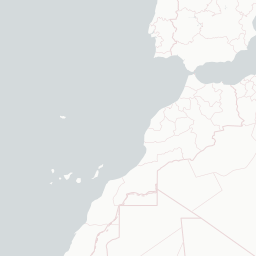
Algiers is the capital city of Algeria, located on the Mediterranean Sea in the north-central portion of the country. In 2025, an estimated 4.325 million people resided within the urban area. Algiers is the largest city in Algeria, the third-largest city on the Mediterranean, the sixth-largest city in the Arab world, and the 29th-largest city in Africa by population. Algiers is the capital of the Algiers Province; it extends over many communes without having its own separate governing body. It extends along the Bay of Algiers surrounded by the Mitidja Plain and major mountain ranges. Its favorable location made it the center of Ottoman and French influences for the region, shaping it to be a diverse metropolis.
The links below support the changing or licensed reference material on this page. Personal notes and ordinary geographic facts are not footnoted individually.
Monthly highs, lows, rainfall — long-term averages, NASA POWER.
Maps, image licenses, and the full dataset registry are listed in site credits.