


"Antalya, Türkiye'nin turizm başkenti | Antalya, the tourism capital of Turkey"
Antalya pairs ancient sites (Aspendos theater, Perge ruins) with one of the Mediterranean's longest beach strips and the dramatic Lower Düden waterfall plunging straight into the sea. Visit April to June or September to October when the heat eases and the sea remains warm. Use as a base for the Lycian Way coastal trek.
July and August see brutal heat (35°C+) and overwhelming Russian, German, and British charter-tourism. Resort-strip prices double. The eastern strip toward Lara is heavily resort-developed. Stay in Kaleici for atmosphere. Earthquake risk, stay informed. A route through Antalya needs enough margin for hours and delays to change. In Antalya, Sundays, holidays, traffic, queues, or cross-town transfers can change the day quickly.
Current conditions and the practical reference material that helps turn the saved places into a trip.
7-day forecast from Open-Meteo. UV badges flag days when sun protection matters (3 and above is moderate; 8 and above is risk territory for unprotected fair skin within 30 minutes).
About 66% of the year's rain falls in these months. Typical highs around 14°C, lows around 5°C.
Typical highs around 27°C, lows around 15°C. About 35mm of rain a month.
Public holidays from Nager.Date.
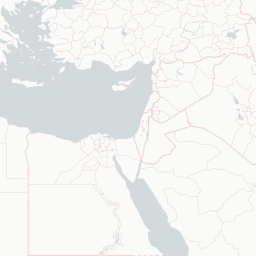
Antalya is one of the largest cities in Turkey and the capital of Antalya Province, the fifth-most populous province. Recognized as the "capital of tourism" in Turkey and a pivotal part of the Turkish Riviera, Antalya sits on Anatolia's southwest coast, flanked by the Taurus Mountains.
The links below support the changing or licensed reference material on this page. Personal notes and ordinary geographic facts are not footnoted individually.
Monthly highs, lows, rainfall — long-term averages, NASA POWER.
Maps, image licenses, and the full dataset registry are listed in site credits.