Antofagasta
ChileBWk

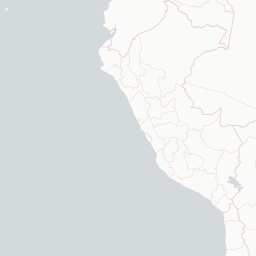



© OpenStreetMap, CARTO
"La Perla del Norte | The Pearl of the North"
Why visit
Visit Antofagasta for markets, streets, food, and public squares. For Antofagasta, focus on what you can actually see and do: museums, streets, religious buildings, markets, performance spaces, food, and nearby landscapes. A good itinerary should stay selective. Let one institution, district, or landscape edge organize the day in Antofagasta, then keep the supporting stops close. That keeps the visit to Antofagasta legible and leaves time for ordinary streets to do their work. If Antofagasta has useful day trips or nearby landscape, use them to widen the context rather than to overload the schedule.
When to avoid
There's not much truly bad timing here, but coastal fog (the camanchaca) can blanket the city for days in late winter (July to September) and dampen the mood. Skip national-holiday weekends in February when accommodation books out. For Antofagasta, confirm hours and distances before deciding the order of the day. A day in Antofagasta is easier when one backup sits close to the main route.
