


"Marhaba bik fi al-Aqaba | Welcome to Aqaba"
Aqaba is the rare destination where you can scuba in coral-laced Red Sea reefs in the morning and be in Wadi Rum or Petra by afternoon. Visit October through April when the heat backs off. September and May are the dive sweet spots. The Berenice Beach Club and Tala Bay anchor the resort scene.
July to August deliver punishing 40°C heat, even night swimming barely cools you. Sea conditions and visibility can drop in winter storms. Always check current advisories given the Israel-Egypt border proximity and regional tensions. The city itself is calm. In Aqaba, treat hours and movement as part of the itinerary. For Aqaba, group stops by area and keep enough slack for closures, slow transport, and limited hours.
Current conditions and the practical reference material that helps turn the saved places into a trip.
7-day forecast from Open-Meteo. UV badges flag days when sun protection matters (3 and above is moderate; 8 and above is risk territory for unprotected fair skin within 30 minutes).
Typical highs around 35°C, lows around 19°C. The drier end of the year.
Typical highs around 18°C, lows around 6°C. Most of the year’s greyest, wettest weeks.
Public-transit operators within 8 km of the city center. Click through to each operator’s site for routes, fares, and tickets.
Operators and modes are aggregated from individual transit-agency GTFS feeds. Route classifications come from each feed’s route type codes.
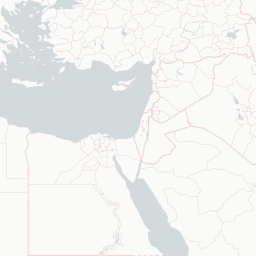
Aqābaʾ is the only coastal city in Jordan and the largest and most populous city on the Gulf of Aqaba. Situated in southernmost Jordan, Aqaba is the administrative center of the Aqaba Governorate. The city had a population of 148,398 in 2015 and a land area of 375 square kilometres (144.8 sq mi). Aqaba has significant trade and tourism. The Port of Aqaba also serves other countries in the region.
The links below support the changing or licensed reference material on this page. Personal notes and ordinary geographic facts are not footnoted individually.
Monthly highs, lows, rainfall — long-term averages, NASA POWER.
Maps, image licenses, and the full dataset registry are listed in site credits.