

Austin
Keep Austin Weird | Unofficial city slogan
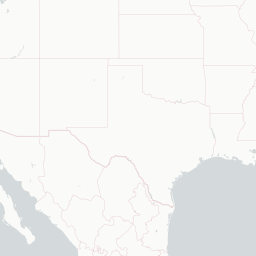
Austin is the capital city of the U.S. state of Texas. With a population of 961,855 at the 2020 census, it is the 13th-most populous city in the U.S., fifth-most populous city in Texas, and second-most populous U.S. state capital, while the Austin metro area with an estimated 2.55 million residents is the 25th-largest metropolitan area in the nation.
Wikipedia →Summary excerpted from the Wikipedia article Austin, licensed under CC BY-SA 4.0. Text may be clipped or paraphrased to fit this page.
Austin pairs a serious live-music scene (SXSW in March, ACL Festival in October, plus 250+ venues year-round) with excellent Tex-Mex and barbecue (Franklin Barbecue's legendary line). Visit October through April when the Texas heat backs off. Float the Barton Springs Pool spring-fed swimming hole; it's 20°C year-round.
July to September deliver brutal Texas heat; highs over 38°C with stifling humidity. SXSW in March packs hotels and triples prices. Traffic on I-35 is genuinely terrible; try to avoid 7-9am and 4-7pm rush hours. A route through Austin needs enough margin for hours and delays to change. For Austin, closures and movement deserve attention, whether the place is small and quiet or large and slow to cross.
June through August are the period when heat, daylight, crowds, or humidity most affect a visit to Austin. In Austin, summer afternoons can become heavy enough to change the pace of the visit. For Austin, the warm-season route should alternate shade, interiors, and outdoor stops rather than running straight through the heat. For Austin, choose this period for daylight and atmosphere, not for a perfectly controlled cultural schedule. The calendar matters in Austin, especially when festivals, holidays, and reduced performance seasons overlap.
December through February are the cooler or wetter period in Austin. In Austin, winter often shifts attention toward performances, museums, cafes, and long walks when the weather cooperates. In Austin, comfort depends less on temperature alone than on rain, wind, snow, daylight, and whether services are reduced. For Austin, the season often favors interiors and shorter local routes: museums, churches, galleries, theaters, bookshops, cafes, and nearby streets. A cold or wet day in Austin works best with shorter walks, confirmed hours, and a clear way back to lodging.
7-day forecast from Open-Meteo. UV badges flag days when sun protection matters (3 and above is moderate; 8 and above is risk territory for unprotected fair skin within 30 minutes).
Monthly highs, lows, and rainfall (long-term averages, NASA POWER).
3 commercial airports within 100 km. Closest is Austin Bergstrom International Airport (AUS) at 13 km.
Public-transit operators within 8 km of the city center. Click through to each operator’s site for routes, fares, and tickets.
Operators and modes aggregated by TransitLand from individual transit-agency GTFS feeds. Route classifications (subway / tram / rail / bus / etc) come from each feed’s GTFS route_type codes.
This page blends public reference data, climate/elevation services, and personal notes. Travel requirements can change, so visa and entry details should be checked again before booking.
Summary, canonical article, and some image fallbacks.
Population, area, image, coordinates, and linked identifiers where available.
Monthly temperature and rainfall climatology.
1991-2020 temperature and precipitation cross-check for compact climate fields.
Coordinate-based elevation backfill.
Coordinate-based IANA timezone lookup.
Public domain, Alex Microbe.
Global source notes, map tiles, flags, licenses, and attribution policy.
Upcoming public holidays in United States of America. On these dates, expect banks, post offices, and government services to close. Many shops and museums close or run shortened hours; transit typically still runs.
Public holidays sourced from date.nager.at.