




เมืองโบราณที่ยิ่งใหญ่ | The Grand Ancient City
Use Ayutthaya as a focused stop for archaeological remains and older urban layers. A useful route in Ayutthaya lets the reader compare buildings, streets, and public life without losing the thread. Use the visit to read the city at ground level. A museum, church, market, square, or evening program is useful only when it clarifies the place rather than crowding the day. This keeps the itinerary useful without turning it into a race between unrelated places.
Visiting Ayutthaya during the peak of the rainy season, typically from July to October, is considered the least practical period for a visit. During this period, heavy rainfall and potential flooding can disrupt travel plans and limit access to historical sites in the area. Additionally, the increased humidity and persistent rain may dampen the overall experience of exploring the ancient ruins and temples in Ayutthaya. It is advisable to plan your visit during the drier months of November to February for a more enjoyable and hassle-free travel experience in this historic city.
Current conditions and the practical reference material that helps turn the saved places into a trip.
7-day forecast from Open-Meteo. UV badges flag days when sun protection matters (3 and above is moderate; 8 and above is risk territory for unprotected fair skin within 30 minutes).
About 86% of the year's rain falls in these months. Typical highs around 32°C, lows around 24°C.
About 30mm of rain a month, against 185mm in the wet season.
Public-transit operators within 8 km of the city center. Click through to each operator’s site for routes, fares, and tickets.
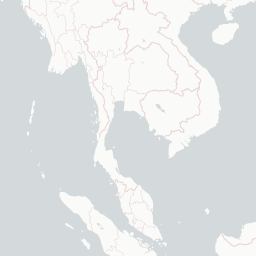
Phra Nakhon Si Ayutthaya is the capital district of Phra Nakhon Si Ayutthaya province, central Thailand. Its former name as the capital city of Ayutthaya Kingdom was "Krungthep Thawarawadi Si Ayutthaya".
The links below support the changing or licensed reference material on this page. Personal notes and ordinary geographic facts are not footnoted individually.
Monthly highs, lows, rainfall — long-term averages, NASA POWER.
Operators and modes are aggregated from individual transit-agency GTFS feeds. Route classifications come from each feed’s route type codes.
Maps, image licenses, and the full dataset registry are listed in site credits.