📷 Yoniw· CC BY-SA 3.0بيروت الحرة | Beirut, free
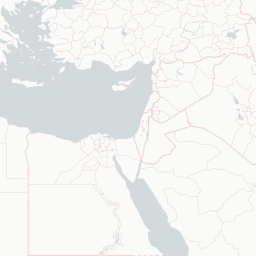
Beirut is the capital and largest city of Lebanon. As of 2025, Greater Beirut has a population of 2.4 million, just under half of Lebanon's population, which makes it the twelfth-largest city in the Levant region and the sixteenth-largest in the Arab world. The city is situated on a peninsula at the midpoint of Lebanon's Mediterranean coast. Beirut has been inhabited for more than 5,000 years, making it one of the oldest cities in the world.
Wikipedia →Summary excerpted from the Wikipedia article Beirut, licensed under CC BY-SA 4.0. Text may be clipped or paraphrased to fit this page.
7-day forecast from Open-Meteo. UV badges flag days when sun protection matters (3 and above is moderate; 8 and above is risk territory for unprotected fair skin within 30 minutes).
Monthly highs, lows, and rainfall (long-term averages, NASA POWER).
1 commercial airport within 100 km. Closest is Beirut Rafic Hariri International Airport (BEY) at 8 km.
Public-transit operators within 8 km of the city center. Click through to each operator’s site for routes, fares, and tickets.
Operators and modes aggregated by TransitLand from individual transit-agency GTFS feeds. Route classifications (subway / tram / rail / bus / etc) come from each feed’s GTFS route_type codes.
This page blends public reference data, climate/elevation services, and personal notes. Travel requirements can change, so visa and entry details should be checked again before booking.
Summary, canonical article, and some image fallbacks.
Population, area, image, coordinates, and linked identifiers where available.
Monthly temperature and rainfall climatology.
1991-2020 temperature and precipitation cross-check for compact climate fields.
Coordinate-based elevation backfill.
Coordinate-based IANA timezone lookup.
Public domain, SCHW.
Global source notes, map tiles, flags, licenses, and attribution policy.