

Visit Bnei Brak for markets, streets, food, and public squares. For Bnei Brak, focus on what you can actually see and do: museums, streets, religious buildings, markets, performance spaces, food, and nearby landscapes. A good itinerary should stay selective. Let one institution, district, or landscape edge organize the day in Bnei Brak, then keep the supporting stops close. That restraint helps Bnei Brak feel like a place rather than a sequence of obligations. Use the surroundings of Bnei Brak deliberately: they should clarify the place, not simply add movement.
Do not visit Bnei Brak expecting every worthwhile stop to be close together or easy to improvise. A route through Bnei Brak works best when opening days, transport, weather, and distance are treated as cultural logistics, not afterthoughts. For Bnei Brak, group stops tightly, verify hours, and use a ride when transit, darkness, or neighborhood conditions make that wiser. If the main interest is one nearby site, it may be better to treat Bnei Brak as a base rather than the whole destination.
Current conditions and the practical reference material that helps turn the saved places into a trip.
7-day forecast from Open-Meteo. UV badges flag days when sun protection matters (3 and above is moderate; 8 and above is risk territory for unprotected fair skin within 30 minutes).
About 88% of the year's rain falls in these months. Typical highs around 19°C, lows around 9°C.
Typical highs around 30°C, lows around 18°C. About 6mm of rain a month.
Public-transit operators within 8 km of the city center. Click through to each operator’s site for routes, fares, and tickets.
Operators and modes are aggregated from individual transit-agency GTFS feeds. Route classifications come from each feed’s route type codes.
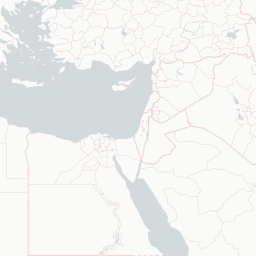
Bnei Brak, or Bene Beraq, is a city located on the central Mediterranean coastal plain in Israel, just east of Tel Aviv. A center of Haredi Judaism, Bnei Brak covers an area of 709 hectares, and had a population of 229,996 in 2024. It is one of the most densely populated cities in Israel and the seventh-most densely populated city in the world.
The links below support the changing or licensed reference material on this page. Personal notes and ordinary geographic facts are not footnoted individually.
Monthly highs, lows, rainfall — long-term averages, NASA POWER.
Maps, image licenses, and the full dataset registry are listed in site credits.