Cochabamba
BoliviaCfa
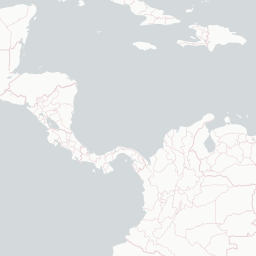

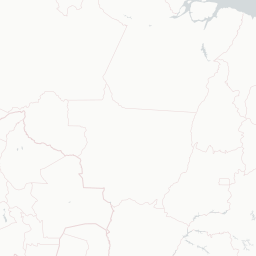


© OpenStreetMap, CARTO
|C|o|c|h|a|b|a|m|b|a| | ||| | |c|i|u|d|a|d| |d|e| |l|a| |e|t|e|r|n|a| |p|r|i|m|a|v|e|r|a|.| ||| |C|o|c|h|a|b|a|m|b|a| | ||| | |c|i|t|y| |o|f| |e|t|e|r|n|a|l| |s|p|r|i|n|g|.|
Why visit
Visit Cochabamba for markets, streets, food, and public squares, landscape, water, gardens, and nearby routes. In Cochabamba, the strongest material is where museums, streets, religious buildings, markets, performance spaces, food, or nearby landscapes explain the surrounding region. A good itinerary should stay selective. For Cochabamba, choose the anchor first. The cafe, market, church, gallery, or evening event should follow from that location. The result is a day in Cochabamba that can be followed, remembered, and adjusted. If Cochabamba has useful day trips or nearby landscape, use them to widen the context rather than to overload the schedule.
When to avoid
Altitude (2,558m) can cause initial discomfort, hydrate and avoid alcohol the first day. Strong sun at altitude burns quickly. Bolivia's political volatility produces occasional protests and roadblocks. Check current advisories. Don't drink tap water. Food from established restaurants only. Use Cochabamba with a local route rather than a constantly expanding one. In Cochabamba, a local replacement usually keeps the route clearer than a cross-town detour.
