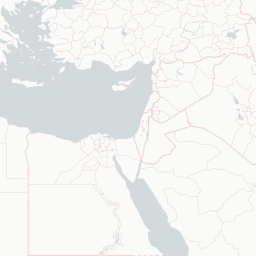


Hoş geldiniz Mağusa'ya | Welcome to Famagusta (Turkish)
Visit Famagusta for religious and civic architecture, archaeology and older urban layers, markets, streets, food, and public squares. Use Famagusta to connect cultural institutions with streets, food, public space, and nearby landscape rather than treating each stop separately. A good itinerary should stay selective. The strongest plan in Famagusta usually starts with one main stop and treats the surrounding streets as part of the visit. That keeps the visit to Famagusta legible and leaves time for ordinary streets to do their work. When Famagusta opens onto beaches, hills, rivers, gardens, or nearby towns, add them only when they sharpen the trip.
Crossing in from the Republic of Cyprus is straightforward at Deryneia or Famagusta crossing points, but check entry stamps, some travelers prefer not to have a TRNC stamp in their passport (request a separate slip). Don't photograph soldiers or military zones, especially around Varosha. Mid-summer (July to August) hits 38°C with little shade inside the walls.
Current conditions and the practical reference material that helps turn the saved places into a trip.
7-day forecast from Open-Meteo. UV badges flag days when sun protection matters (3 and above is moderate; 8 and above is risk territory for unprotected fair skin within 30 minutes).
About 76% of the year's rain falls in these months. Typical highs around 18°C, lows around 14°C.
Typical highs around 28°C, lows around 22°C. About 9mm of rain a month.
Public holidays from Nager.Date.
Public-transit operators within 8 km of the city center. Click through to each operator’s site for routes, fares, and tickets.
Operators and modes are aggregated from individual transit-agency GTFS feeds. Route classifications come from each feed’s route type codes.
Famagusta, also known by several other names, is a city located in the Famagusta District on the eastern coast of Cyprus, currently controlled by Northern Cyprus. It is located east of the capital, Nicosia, and possesses the island's deepest harbour. During the Middle Ages, Famagusta was the island's most important port city and a gateway to trade with the ports of the Levant, from where Silk Road merchants carried their goods to Western Europe.
The links below support the changing or licensed reference material on this page. Personal notes and ordinary geographic facts are not footnoted individually.
Monthly highs, lows, rainfall — long-term averages, NASA POWER.
Maps, image licenses, and the full dataset registry are listed in site credits.