



ようこそ福岡へ | Welcome to Fukuoka (Japanese)
Fukuoka is widely rated Japan's most livable city, affordable, walkable, sea-fresh, and famously friendly. Eat your way through the yatai (open-air food stalls) along the Naka river at night for tonkotsu ramen, motsunabe, and yakitori, this is the home of Hakata ramen. Visit the ancient Sumiyoshi Shrine, soak at a beach onsen, and use it as a launchpad for Dazaifu, Yufuin, and Beppu's hells. Spring (March to April for cherry blossoms) and autumn (October to November for color) are best.
Do not visit Fukuoka expecting every worthwhile stop to be close together or easy to improvise. A route through Fukuoka works best when opening days, transport, weather, and distance are treated as cultural logistics, not afterthoughts. A safer and clearer day in Fukuoka usually comes from grouping nearby sites and avoiding unnecessary late or awkward transfers. If the main interest is one nearby site, it may be better to treat Fukuoka as a base rather than the whole destination.
Current conditions and the practical reference material that helps turn the saved places into a trip.
7-day forecast from Open-Meteo. UV badges flag days when sun protection matters (3 and above is moderate; 8 and above is risk territory for unprotected fair skin within 30 minutes).
About 55% of the year's rain falls in these months. Typical highs around 28°C, lows around 20°C.
Typical highs around 15°C, lows around 6°C. About 106mm of rain a month.
Public holidays from Nager.Date.
Public-transit operators within 8 km of the city center. Click through to each operator’s site for routes, fares, and tickets.
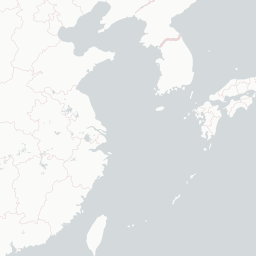
Fukuoka is a designated city in the Kyushu region of Japan and the capital city of Fukuoka Prefecture. The city is built along the shores of Hakata Bay, and has been a center of international commerce since ancient times. The area has long been considered the gateway to the country, as it is the nearest point among Japan's main islands to the Asian mainland. Although humans have occupied the area since the Jomon period, some of the earliest settlers of the Yayoi period arrived in the Fukuoka area. The city rose to prominence during the Yamato period, and because of the cross-cultural exposure, and relatively great distance from the social and political centers of Kyoto, Osaka, and later, Edo (Tokyo), Fukuoka gained a distinctive local culture and dialect that has persisted to the present day.
The links below support the changing or licensed reference material on this page. Personal notes and ordinary geographic facts are not footnoted individually.
Monthly highs, lows, rainfall — long-term averages, NASA POWER.
Operators and modes are aggregated from individual transit-agency GTFS feeds. Route classifications come from each feed’s route type codes.
Maps, image licenses, and the full dataset registry are listed in site credits.