



欢迎来到哈尔滨 | Welcome to Harbin (Mandarin)
Harbin is one of China's most distinctive cities and a must in winter, the Ice and Snow World festival (December through February) features full-scale illuminated ice castles, towers, and slides. Central Street (Zhongyang Dajie) is a 1.5 km cobbled boulevard of Russian-era architecture lined with bakeries selling Russian sausage and bread. Visit St. Sophia Cathedral, the Siberian Tiger Park, and try Harbin beer (China's oldest brewery, 1900). Best in winter (December to February) for the festival or summer (June to August) for cool relief from southern China heat.
Winter is brutally cold, daytime −20°C, nights past −30°C. The festival is memorable but proper Arctic-grade kit (insulated boots, balaclava, hand warmers) is essential. The Ice Festival overruns hotels January through Lunar New Year, book months ahead. Air quality can be poor in winter due to coal heating. Visa rules for China are tightening. Check current requirements.
Current conditions and the practical reference material that helps turn the saved places into a trip.
7-day forecast from Open-Meteo. UV badges flag days when sun protection matters (3 and above is moderate; 8 and above is risk territory for unprotected fair skin within 30 minutes).
About 83% of the year's rain falls in these months. Typical highs around 25°C, lows around 13°C.
Typical highs around -1°C, lows around -13°C. About 14mm of rain a month.
Public holidays from Nager.Date.
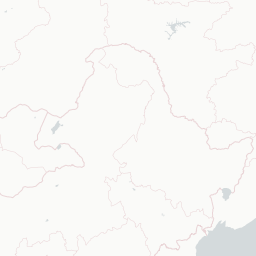
Harbin is the capital of Heilongjiang, China, and the largest city of the province-as well as the second largest urban population and the largest metropolitan population in Northeast China. Harbin has direct jurisdiction over nine metropolitan districts, two county-level cities, and seven counties. It is the eighth most populous Chinese city according to the 2020 census. The built-up area of Harbin has 5,841,929 inhabitants, while the total metropolitan population is up to 10,009,854, making it one of the 100 largest urban areas in the world. Harbin serves as a key political, economic, scientific, cultural, and communications hub in Northeast China, as well as an important industrial base of the nation.
The links below support the changing or licensed reference material on this page. Personal notes and ordinary geographic facts are not footnoted individually.
Monthly highs, lows, rainfall — long-term averages, NASA POWER.
Maps, image licenses, and the full dataset registry are listed in site credits.