




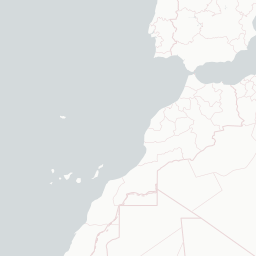



Huesca is an Aragon base for cathedral streets, tapas, foothill drives, and access toward the Pyrenees and Monte Perdido. It works when northern Spain needs mountains without losing a usable town.
Do not assume Huesca can be handled as a simple cluster of adjacent stops. Once you start in Huesca, keep the next stops close enough to preserve the day. When plans change in Huesca, choose something close rather than spending the day in transit. A route in Huesca needs extra care when the main sites do not line up by area or schedule.
Current conditions and the practical reference material that helps turn the saved places into a trip.
7-day forecast from Open-Meteo. UV badges flag days when sun protection matters (3 and above is moderate; 8 and above is risk territory for unprotected fair skin within 30 minutes).
Typical highs around 29°C, lows around 15°C. The drier end of the year.
Typical highs around 12°C, lows around 1°C.
Public holidays from Nager.Date.
Public-transit operators within 8 km of the city center. Click through to each operator’s site for routes, fares, and tickets.
Huesca is a city in north-eastern Spain, within the autonomous community of Aragon. It was the capital of the Kingdom of Aragon between 1096 and 1118. It is also the capital of the Spanish province of the same name and of the comarca of Hoya de Huesca. In 2009, it had a population of 52,059, almost a quarter of the total population of the province. The city is one of the smallest provincial capitals in Spain.
The links below support the changing or licensed reference material on this page. Personal notes and ordinary geographic facts are not footnoted individually.
Monthly highs, lows, rainfall — long-term averages, NASA POWER.
Operators and modes are aggregated from individual transit-agency GTFS feeds. Route classifications come from each feed’s route type codes.
Maps, image licenses, and the full dataset registry are listed in site credits.