Nampo
North KoreaDfa
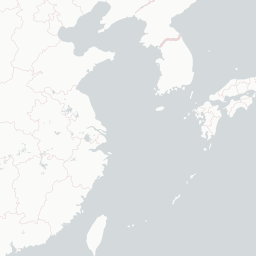

© OpenStreetMap, CARTO
|서|해|갑|문| | ||| | |조|국|의| |자|랑| ||| |T|h|e| |W|e|s|t| |S|e|a| |B|a|r|r|a|g|e|,| |p|r|i|d|e| |o|f| |t|h|e| |n|a|t|i|o|n|
Why visit
Visit Nampo for archaeology and older urban layers, landscape, water, gardens, and nearby routes. Use Nampo to connect cultural institutions with streets, food, public space, and nearby landscape rather than treating each stop separately. A good itinerary should stay selective. Let one institution, district, or landscape edge organize the day in Nampo, then keep the supporting stops close. In Nampo, the route gains clarity when the spaces between formal stops are allowed to matter. For Nampo, nearby landscapes and day trips should explain the city, not turn the itinerary into transit work.
When to avoid
Independent travel to North Korea is impossible, you must enter on a state-approved guided tour, and as of recent years even those have been suspended for most nationalities. US passport holders are barred. Sanctions, border closures, and diplomatic tensions can change with no notice. Photography is severely restricted. Deviation from the itinerary can mean detention. Cell phones don't work. Don't bring religious literature, foreign news, or anything critical of the leadership. Check current entry status before any planning.