



Natal, cidade do sol | Natal, the city of sun
Natal is built around its beaches and dunes. Ride a buggy across the well known shifting dunes of Genipabu, with optional camel rides and the heart-stopping 'with thrills' (com emoções) descents. Ponta Negra Beach with the Morro do Careca dune is the famous image. Visit the 16th-century Forte dos Reis Magos at the river mouth, with sweeping coastal views. The world's largest cashew tree (Maior Cajueiro do Mundo) at Pirangi covers two acres. Whale-watching off Pipa beach and dolphin tours round out a sun-soaked itinerary. Surfers love the consistent breaks.
Natal has a serious crime problem, robberies and homicides have spiked in recent years. Stick to Ponta Negra and Praia dos Artistas at night and avoid the city center after dark. Use ride-hailing apps rather than walking. Don't display valuables on beaches. Use hotel safes. Brazilian beach scams (overpriced caipirinhas, drinks watered down) target tourists. Carnaval is wild but pickpockets work crowds. Ocean rip currents at some beaches are deadly, swim at lifeguarded sections only. Mosquito-borne diseases (dengue, Zika, chikungunya) circulate.
Current conditions and the practical reference material that helps turn the saved places into a trip.
7-day forecast from Open-Meteo. UV badges flag days when sun protection matters (3 and above is moderate; 8 and above is risk territory for unprotected fair skin within 30 minutes).
About 71% of the year's rain falls in these months. Typical highs around 28°C, lows around 26°C.
About 48mm of rain a month, against 167mm in the wet season.
Public holidays from Nager.Date.
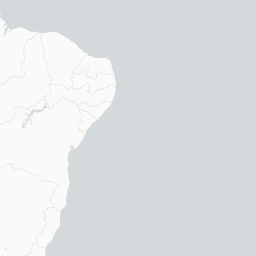
Natal is a Brazilian municipality and the capital of the state of Rio Grande do Norte, located in the Northeast Region of Brazil. Situated 2,227 kilometers from Brasília, the federal capital, it is the second smallest Brazilian state capital in area, covering an area of approximately 167 km2 (64 sq mi). With just over 750,000 inhabitants (2022), it is the most populous municipality in its state, the eighth in the Northeast, and the 24th in Brazil. The Greater Natal, composed of thirteen other municipalities in Rio Grande do Norte, has more than 1.5 million inhabitants, making it the fourth largest urban agglomeration in the Northeast and the nineteenth largest in Brazil.
The links below support the changing or licensed reference material on this page. Personal notes and ordinary geographic facts are not footnoted individually.
Monthly highs, lows, rainfall — long-term averages, NASA POWER.
Maps, image licenses, and the full dataset registry are listed in site credits.