
San Antonio
📷 Jouaienttoi· CC BY-SA 4.0Alamo City | Alamo City
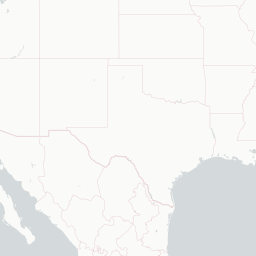
San Antonio is a city in the U.S. state of Texas. It is the seventh-most populous city in the United States, the second-most populous city in Texas, and the second-most populous city in the Southern U.S., with a population of 1.43 million at the 2020 census. The Greater San Antonio metropolitan area, with an estimated 2.76 million residents, ranks as the third-largest metropolitan area in Texas and the 24th-largest in the nation. It is the county seat of Bexar County.
Wikipedia →Summary excerpted from the Wikipedia article San Antonio, licensed under CC BY-SA 4.0. Text may be clipped or paraphrased to fit this page.
San Antonio is one of the best history-and-food city breaks in Texas: the Alamo and the San Antonio Missions UNESCO site, the River Walk, Pearl District, Market Square, excellent Tex-Mex, Fiesta San Antonio in spring, and easy access to Hill Country day trips. It feels more layered and older than most big Texas cities because Spanish, Mexican, Tejano, and U.S. histories all sit visibly in the same place.
Avoid building a trip around midday outdoor walking in July and August unless you plan shade, water, and breaks. River Walk and Alamo areas are busiest during Fiesta, spring break, major conventions, and holiday weekends. Flash flooding can affect low-water crossings after heavy rain, and summer heat plus humidity can wear visitors down quickly.
June through August are the months when heat and daylight most affect a visit to San Antonio. Warm weather in San Antonio can be useful, but humidity and storms may decide the pace. For San Antonio, put the exposed material first, move indoors later, and save evening for walks, food, or performance. For San Antonio, check hours first; a continuous route can fail if one anchor closes early.
December through February are the cooler or wetter period in San Antonio. For San Antonio, cooler months can suit concerts, museums, and slower walks better than exposed summer routes. Think of this period in San Antonio as a planning question: what can still be walked, entered, and reached comfortably? For San Antonio, the season often favors interiors and shorter local routes: museums, churches, galleries, theaters, bookshops, cafes, and nearby streets. A cold or wet day in San Antonio works best with shorter walks, confirmed hours, and a clear way back to lodging.
7-day forecast from Open-Meteo. UV badges flag days when sun protection matters (3 and above is moderate; 8 and above is risk territory for unprotected fair skin within 30 minutes).
Monthly highs, lows, and rainfall (long-term averages, NASA POWER).
1 commercial airport within 100 km. Closest is San Antonio International Airport (SAT) at 12 km.
Public-transit operators within 8 km of the city center. Click through to each operator’s site for routes, fares, and tickets.
Operators and modes aggregated by TransitLand from individual transit-agency GTFS feeds. Route classifications (subway / tram / rail / bus / etc) come from each feed’s GTFS route_type codes.
This page blends public reference data, climate/elevation services, and personal notes. Travel requirements can change, so visa and entry details should be checked again before booking.
Summary, canonical article, and some image fallbacks.
Population, area, image, coordinates, and linked identifiers where available.
Monthly temperature and rainfall climatology.
1991-2020 temperature and precipitation cross-check for compact climate fields.
Coordinate-based elevation backfill.
Coordinate-based IANA timezone lookup.
Public domain, City of San Antonio.
Global source notes, map tiles, flags, licenses, and attribution policy.
Upcoming public holidays in United States of America. On these dates, expect banks, post offices, and government services to close. Many shops and museums close or run shortened hours; transit typically still runs.
Public holidays sourced from date.nager.at.