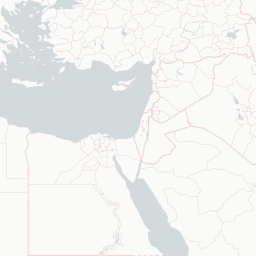


طرابلس عاصمة الشمال | Tripoli, capital of the north
The Mamluk old city is one of Lebanon's most rewarding wanders, the Great Mosque of Tripoli (a converted Crusader cathedral), the al-Qartawiyya madrasa, the Hammam al-Jadid bathhouse, and the bustling souk Al-Haraj. The Citadel of Raymond de Saint-Gilles offers commanding city views. Tripoli is famous for its Arabic sweets, the Hallab pastry house has produced ma'amoul, baklava, and katayef since 1881. Day-trip to the Cedars of God in the Qadisha Valley (UNESCO) and to Byblos.
Lebanon has serious economic crisis and political instability, most Western governments advise reconsidering travel. Some advise against. Tripoli has had occasional sectarian tensions and was hit by spillover from Syrian conflict. Check current advisories. Power cuts and fuel shortages are frequent. ATMs may not give cash. Bring USD. Stick to known areas, dress modestly (Tripoli is more conservative than Beirut), don't photograph military/security, and avoid political demonstrations.
Current conditions and the practical reference material that helps turn the saved places into a trip.
7-day forecast from Open-Meteo. UV badges flag days when sun protection matters (3 and above is moderate; 8 and above is risk territory for unprotected fair skin within 30 minutes).
About 84% of the year's rain falls in these months. Typical highs around 19°C, lows around 17°C.
Typical highs around 25°C, lows around 24°C. About 13mm of rain a month.
Tripoli is the largest city in northern Lebanon and the second-largest city in the country. Situated 81 km (50 mi) north of the capital Beirut, it is the capital of the North Governorate and the Tripoli District. Tripoli overlooks the eastern Mediterranean Sea, and it is the northernmost seaport in Lebanon. The city is predominantly inhabited by Sunni Muslims, with smaller populations of Alawites and Christians, including Maronites and Armenians among others.
The links below support the changing or licensed reference material on this page. Personal notes and ordinary geographic facts are not footnoted individually.
Monthly highs, lows, rainfall — long-term averages, NASA POWER.
Maps, image licenses, and the full dataset registry are listed in site credits.