


ປະຊາຊົນລາວ | The People of Laos
Vientiane is a low-rise capital with Mekong evenings, temples, French-era traces, markets, and a slower rhythm than many Southeast Asian capitals. It works when Laos needs an easy first city.
The least practical period for a visit to Vientiane, Laos for a trip is during the rainy season, which typically occurs from May to October. Heavy rainfall can lead to flooding and transportation disruptions, making it challenging to navigate the city. Additionally, the high humidity during this time can be uncomfortable for travelers not accustomed to such conditions. It is advisable to plan your trip during the dry season, from November to April, to avoid potential weather-related issues and read all that Vientiane has to offer.
Current conditions and the practical reference material that helps turn the saved places into a trip.
7-day forecast from Open-Meteo. UV badges flag days when sun protection matters (3 and above is moderate; 8 and above is risk territory for unprotected fair skin within 30 minutes).
About 82% of the year's rain falls in these months. Typical highs around 31°C, lows around 24°C.
About 32mm of rain a month, against 198mm in the wet season.
Public-transit operators within 8 km of the city center. Click through to each operator’s site for routes, fares, and tickets.
Operators and modes are aggregated from individual transit-agency GTFS feeds. Route classifications come from each feed’s route type codes.
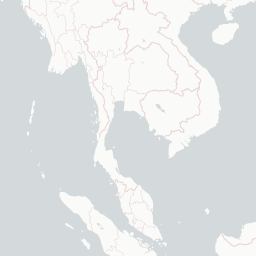
Vientiane is the capital city of Laos. Comprising the 5 urban districts of Vientiane Prefecture, the city is located on the banks of the Mekong, close to the border with Thailand. Vientiane was the administrative capital during French rule. The city had a population of 840,000 as of the 2023 census. Pha That Luang, an icon of Buddhism, is located in Vientiane. Other Buddhist temples can be found there, such as Haw Phra Kaew, which formerly housed the Emerald Buddha.
The links below support the changing or licensed reference material on this page. Personal notes and ordinary geographic facts are not footnoted individually.
Monthly highs, lows, rainfall — long-term averages, NASA POWER.
Maps, image licenses, and the full dataset registry are listed in site credits.