16.4692, 107.5780
Complex of Hué Monuments
Huế, Viet Nam
About
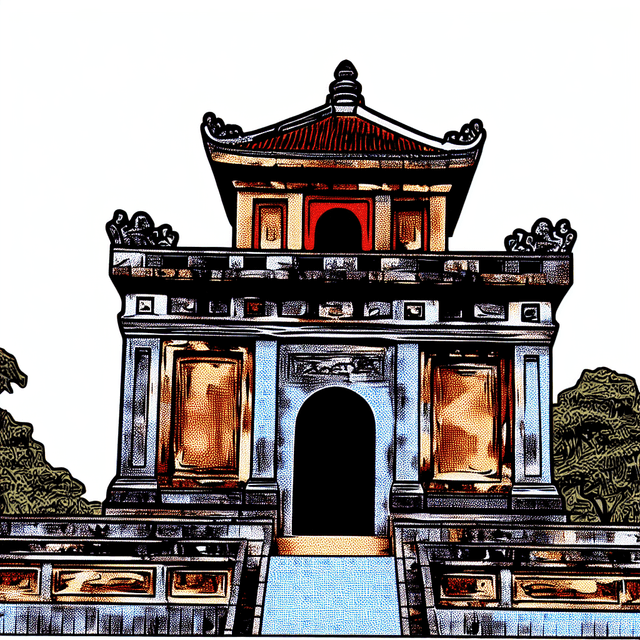
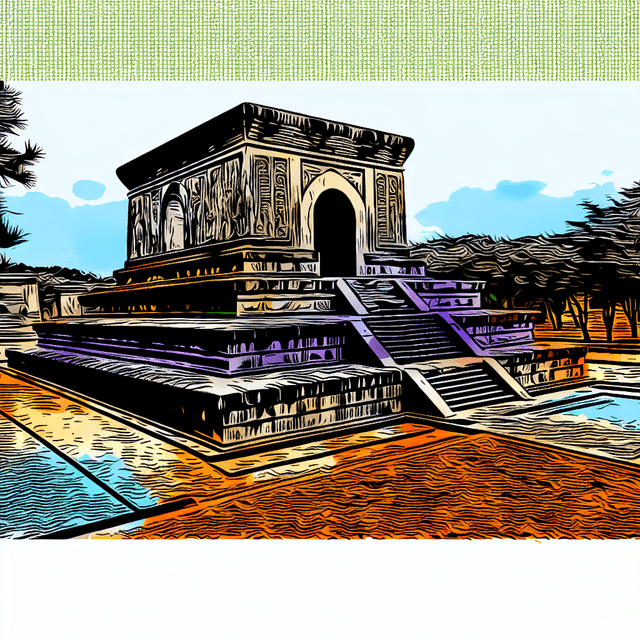
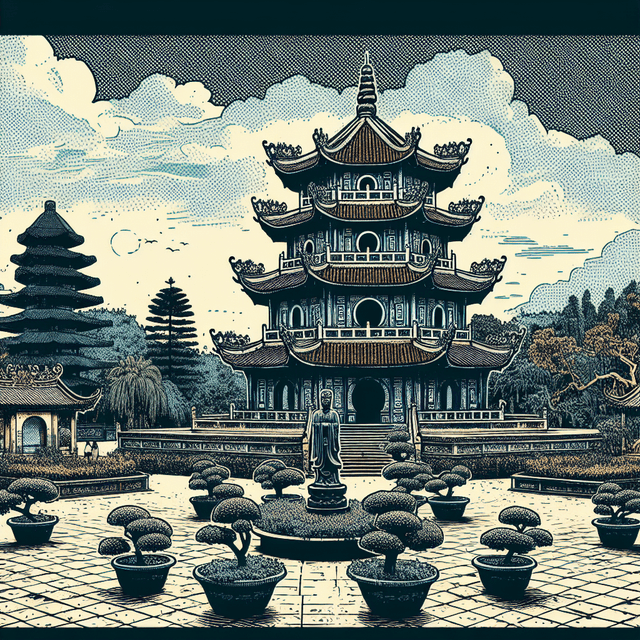
Established as the capital of unified Viet Nam in 1802, Hué was not only the political but also the cultural and religious centre under the Nguyen dynasty until 1945. The Perfume River winds its way through the Capital City, the Imperial City, the Forbidden Purple City and the Inner City, giving this unique feudal capital a setting of great natural beauty.
Supporting sources: Legacy import provenance, Wikipedia
Plan your visit
Features & amenities
What to expect
- Indoor + outdoor
What to bring
- Sunscreen
- comfortable shoes
- Water
- hat
Good to know
- Guide recommended
Tags
More near here
Other pins within walking distance of Complex of Hué Monuments.
Planning Huế
The rest of my Huế saves, on the city's planning pages.