Photos from Cape Town
 +50
+50Franschhoek Wine Tramattraction
 +8
+8Boulders Beach Penguin Sanctuarypark
 +1
+1Bacco Estate Wineryrestaurant

Babylonstoren Wine Estaterestaurant
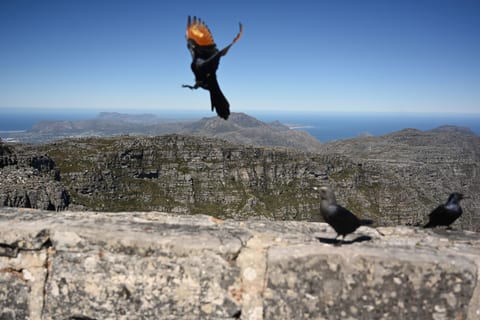 +16
+16Table Mountain National Parkattraction
+50+8+1+16Current conditions and the practical reference material that helps turn the saved places into a trip.
7-day forecast from Open-Meteo. UV badges flag days when sun protection matters (3 and above is moderate; 8 and above is risk territory for unprotected fair skin within 30 minutes).
About 61% of the year's rain falls in these months. Typical highs around 16°C, lows around 14°C.
About 24mm of rain a month, against 75mm in the wet season.
Public holidays from Nager.Date.
Cape Town is the legislative capital of South Africa. It is the country's oldest city and the seat of the Parliament of South Africa. Cape Town is the country's second-largest city by population, after Johannesburg, and the largest city in the Western Cape. The city is part of the City of Cape Town metropolitan municipality.
The links below support the changing or licensed reference material on this page. Personal notes and ordinary geographic facts are not footnoted individually.
Monthly highs, lows, rainfall — long-term averages, NASA POWER.
Maps, image licenses, and the full dataset registry are listed in site credits.
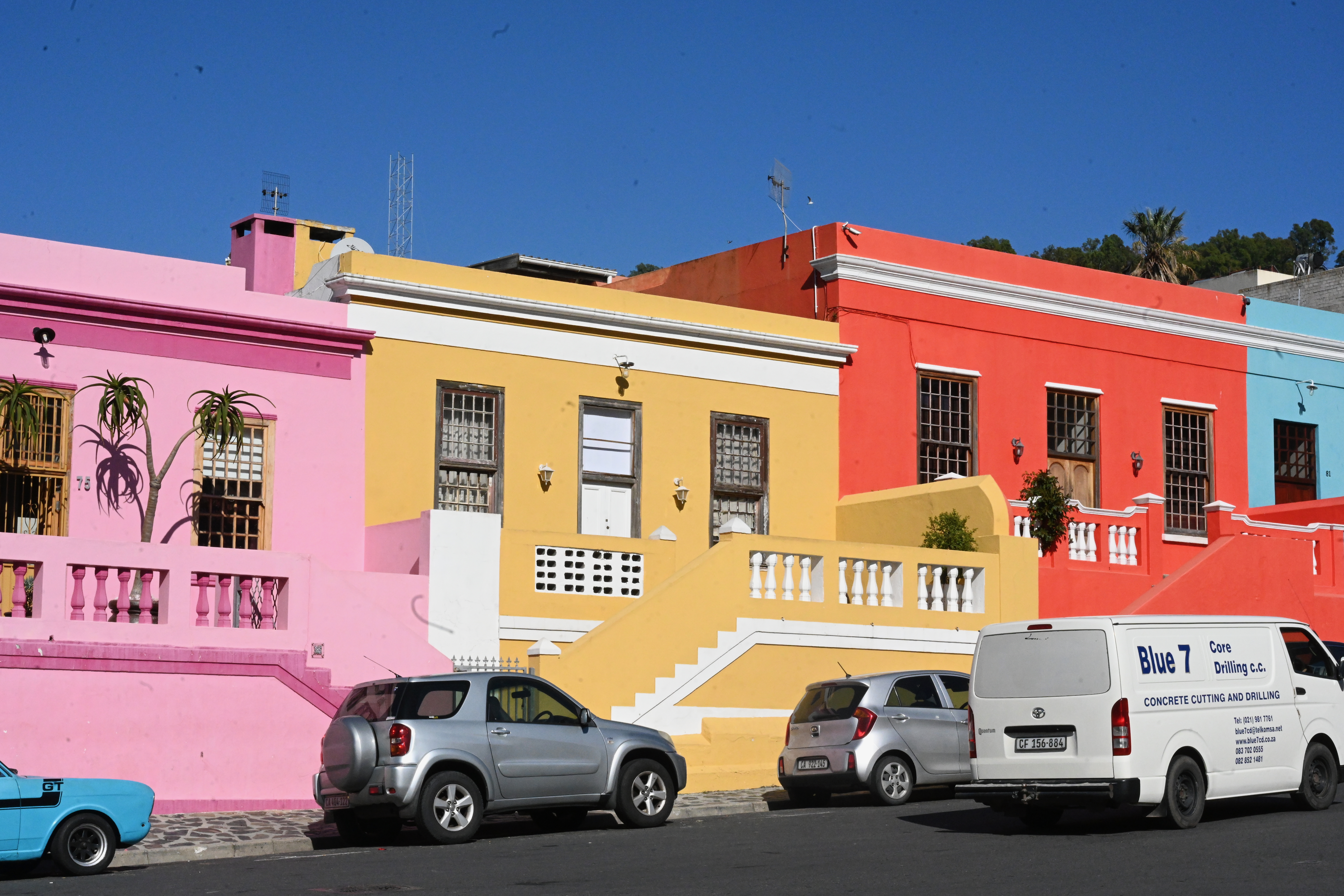
My Cape Town travel guide. Where to stay, climbing Table Mountain, the Boulders penguins and Cape Peninsula, the Winelands, and planning around the weather.
Cape Town is not a city I'd plan casually. Table Mountain sits over the city bowl, two oceans frame the peninsula, and the Winelands are close enough for day trips. The planning that matters is safety, weather, and where you sleep. I spent a few weeks there. Here's what I learned.
Planning brief
Cape Town is a map-first city. The practical days depend on grouping pins by geography and letting weather decide when to handle the mountain, the coast, the Waterfront, and the wine country.
Sea Point, De Waterkant, the Waterfront, and the city bowl each change the trip. I would pay for convenience here because the wrong base turns normal days into too much transit.
Put Table Mountain and other outdoor plans on the first clear, low-wind day instead of locking them to a date. If the mountain is covered, move the food, market, or Waterfront plan forward.
Boulders, Cape Point, Misty Cliffs, and Seaforth belong in one coastal day. They are not quick errands from the center.
The Franschhoek and Paarl stops work best when transport is solved before tasting starts. Use the wine tram, a driver, or a tour rather than improvising after a few flights.
Cape Town International (CPT) sits about 20 km east of the City Bowl and is the gateway for almost every international visitor. The road in is straightforward, but the airport transfer market has a few small traps. The metered taxis at the curb rarely actually run the meter, the hotel-arranged transfers tend to be marked up by a third, and Uber's airport pickup pin has moved a couple of times in the last few years. Open the app before you leave the terminal so the lot is fresh.
| Mode | Time | Cost | When to use |
|---|---|---|---|
| Uber / Bolt | 25 to 40 min | R250 to R400 to the City Bowl, R350 to R500 to Camps Bay | The default for most arrivals with luggage. Both apps work from a marked pickup zone outside arrivals. The pin moves occasionally so check the in-app map |
| MyCiTi airport bus (A1) | 40 to 60 min | R110 plus a one-off R39 myconnect card load | A clean public-transit option to the central Civic Center on Hertzog Boulevard. Slower with luggage but a fraction of the rideshare cost |
| Pre-booked transfer | 25 to 40 min | R450 to R700 depending on operator | Late arrivals when you do not want to deal with the app at 23:00. Ask your hotel to arrange. Slightly more than Uber but the driver waits at arrivals with a name board |
| Metered taxi from the rank | 25 to 40 min | Negotiated. Typically R400 to R500 | Last resort. Agree the price before you get in. The metered rate is rarely actually run on the meter |
Uber or Bolt is the right default. If you are arriving late and tired, the pre-booked hotel transfer buys certainty for a small premium.
Seasons are inverted from Europe and North America. The window matters more here than in most cities because so much of the trip is outdoors.
| Window | Months | What to expect |
|---|---|---|
| Summer | November to March | Warm, dry, peak season. Long days, busy city, the mountain often clear. Cable-car line gets long on clear days and weekends |
| Autumn | April to early May | Wind drops, days still warm, light is at its best for the coast and the mountain. My favorite window |
| Winter | June to August | Cooler, wetter, fewer crowds. Southern right whales offshore at Hermanus and False Bay. Pack a windbreak |
| Spring | September to October | West Coast wildflower window, days warming back up, mountain at its greenest |
Cape Town's busiest event stretch runs through southern-hemisphere summer, with March especially prone to road closures and full hotels.
| Event | When | What it changes |
|---|---|---|
| Cape Town Carnival | Mid-March | Street parade along Somerset Road in Green Point |
| International Jazz Festival | Late March or early April | Major jazz festival at the convention center. City Bowl hotels book early |
| Two Oceans Marathon | Easter weekend | Peninsula road closures, especially around Chapman's Peak and the Atlantic coast |
| Cape Town Cycle Tour | Mid-March | Coastal roads close from early morning into afternoon |
| New Year / Cape Minstrel Carnival | December 31 to January 2 | Peak hotel prices, NYE events, and the Tweede Nuwe Jaar parade |
| Open Book Festival | Mid-September | Literary festival with restaurant pressure near venues |
| Galileo Open Air Cinema | November to April | Outdoor cinema at Kirstenbosch, V&A Waterfront, and other venues |
| First Thursdays | Monthly | Central galleries and venues open late |
Cape Town rewards a little caution without needing paranoia. Phone snatching is common enough that I would not walk around navigating with a phone in hand. Step aside, check the route, put the phone away, and move on. At night, take a rideshare between neighborhoods, full stop.
Card payment is the norm. Bring a tap-to-pay card and a backup. I never had a need or an opportunity to use cash.
Power cuts have been part of South African travel planning in recent years, even when the load-shedding schedule is less disruptive than older writeups make it sound. Ask a hotel whether it has generator or backup power if you need reliable wifi, elevators, or air conditioning for work.
I stayed long enough to care less about hotel glamour and more about whether the room worked as a base.
| Place | Why it worked | The trade-off |
|---|---|---|
| Hyatt Regency Cape Town | Spacious room, good for working, practical city base | Ordinary breakfast and a small lounge |
| The Cellars-Hohenort | Grounds, restaurant, access toward Table Mountain | Some rooms felt dated when I stayed |
| Protea at Breakwater Lodge | Easy V&A Waterfront access, practical value | Not luxury, but that is not the point |
| De Waterkant (apartment area) | Compact, close to restaurants and shopping | More of a pocket than a whole neighborhood |
| Sea Point (apartment area) | Coastal promenade, restaurants, calmer rhythm | Not as close to the old-city sights |
The Cellars-Hohenort felt most like a place rather than a base: garden paths, mountain access, and a restaurant that justified the trip out of the center. The Hyatt was better for a long working stay. The Protea at Breakwater Lodge was useful because the V&A Waterfront was easy at night and the room did not need to pretend to be more than it was.
If you are renting an apartment, look at De Waterkant or Sea Point first. De Waterkant is convenient and compact. Sea Point gives you the promenade, food, and a calmer daily rhythm near the water.
Plan Table Mountain around the weather, not the itinerary. The top can be 10 to 15°C colder and far windier than the city below, and the cableway closes entirely when the wind crosses a safety threshold (which it does often). Treat the first clear, low-wind morning as the mountain morning, and move other plans around it.
Book the cableway online at tablemountain.net before you go. Same-day tickets are sold at the lower-station kiosk and queue ~45 to 90 minutes on clear weekends. The online ticket is the same price (~ZAR 460 return adult in 2026) and skips the kiosk line entirely. Check the live status on the site or the cableway's social before leaving the hotel. They post wind closures hourly.
For the climb, Platteklip Gorge is the direct foot route up (2 to 3 hours, steep, no shade). Wear real shoes and bring two liters of water. The cableway runs both ways if you're descending tired.
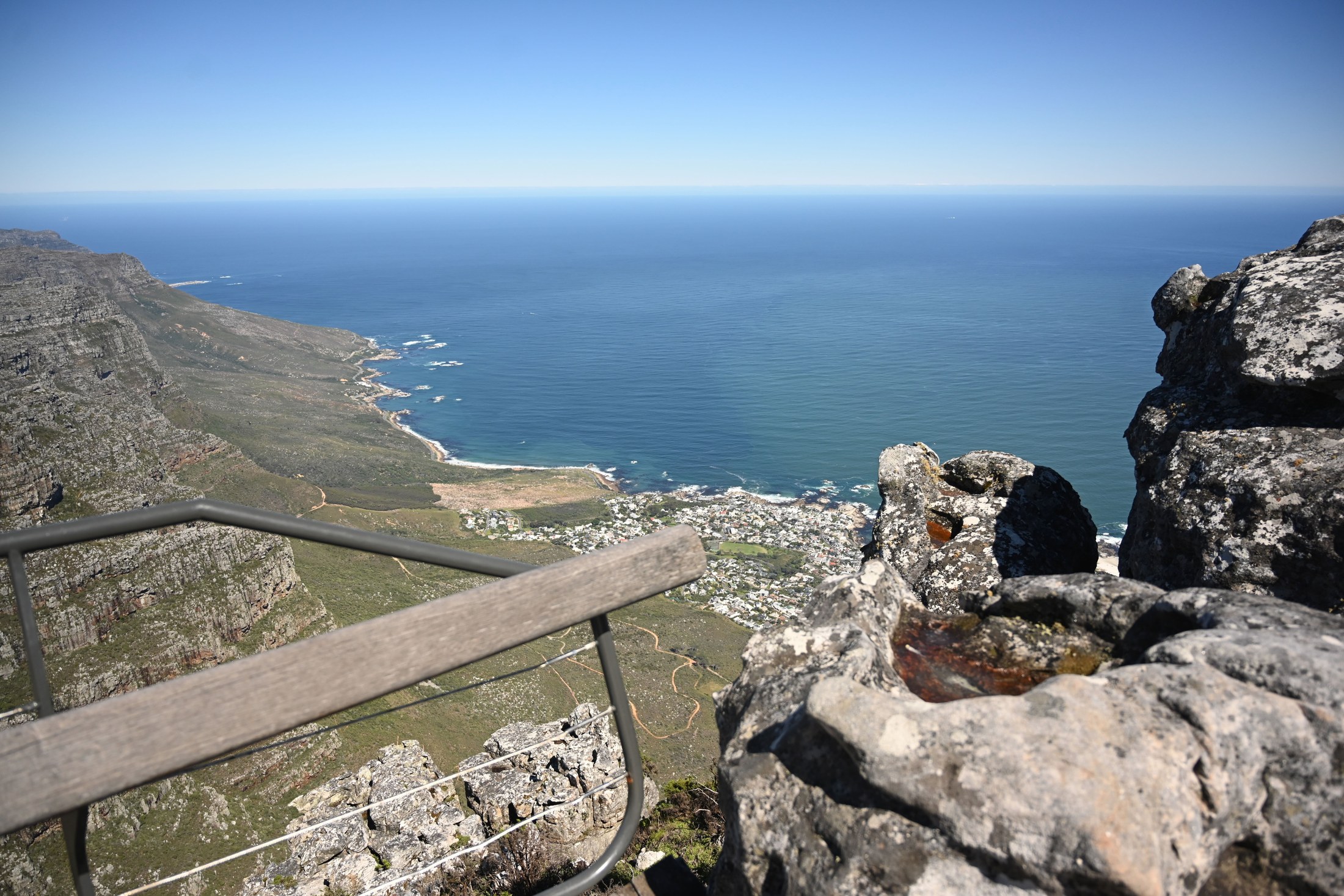
Kirstenbosch Botanical Gardens is the easier outdoor day: lower effort, eastern slopes of Table Mountain, and a canopy walkway with a clear view back across the gardens. It is a better choice than forcing a hike if the weather or your knees are not cooperating.
The rule for both: put them on the first clear, low-wind day rather than locking them to a date. If the mountain is covered, move a museum, market, or Waterfront plan forward and try again the next morning.
The V&A Waterfront is commercial, but useful. You can eat, shop, catch the Robben Island ferry, and walk over to watch the working harbor. I had a good meal at Karibu, with most plates in the $10 to $20 range when I went. Before or after dinner, walk over to the harbor and watch the tugs, cranes, and fishing boats work.
Robben Island is one to plan around if the ferry schedule and weather cooperate. The tour of the former prison is led by former political prisoners, which gives the visit a different weight than an ordinary museum stop. Book on robben-island.org.za a week or two ahead. Ferries leave four times a day from Nelson Mandela Gateway at the V&A and the full visit (ferry + island bus tour + prison walk + ferry back) runs about 3.5 hours. Sailings cancel in rough weather, so leave a buffer day if Robben Island is a priority for the trip. Sells out a few days ahead in December-January and over major South African public holidays.
The Watershed at the V&A is the souvenir-shopping stop to combine with this side of the day. Knick-knacks, clothing, and a row of small craft stores with stock you do not see at every airport shop. Prices run a bit higher than the township markets, the inventory is what carries it.
The coastal beaches divide into three rhythms.
| Spot | Best for | Notes |
|---|---|---|
| Clifton | Sheltered swimming, calmer water | Series of small coves. Better with kids than Camps Bay |
| Camps Bay | Social beach day, restaurants across the road | Wider beach, lined with cafes and bars |
| Sea Point | Promenade walks, not really swimming | Coastal walkway, easy daily rhythm |
| Boulders Penguin Colony | African penguins on the boardwalk | Real drive from the center. Fold into a Cape Peninsula day, not a quick errand |
Boulders pairs naturally with Cape Point and the Cape of Good Hope as a single long day. Seaforth Restaurant near Boulders was fine when I went: good patio, acceptable food, older crowd.
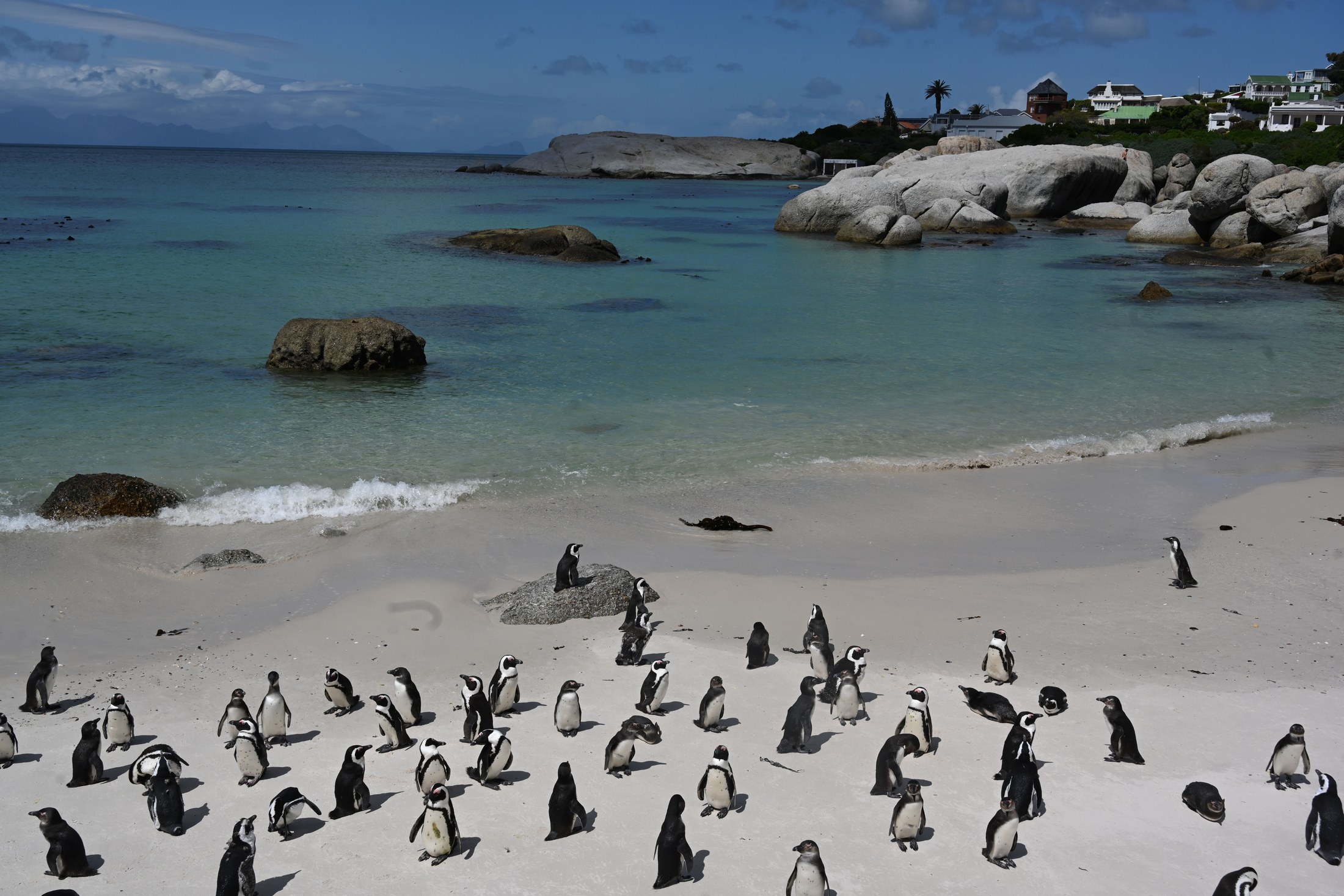
Bo-Kaap gives you an hour on foot for the painted houses and Cape Malay history. Stay aware of the street-by-street feel. If a block feels off, turn around. That's just how I move through there, no judgment attached.
For wine, the Hop-on, Hop-off Wine Tram is the easy version. Pick a line, arrange transport in and out, and do not drive yourself. I took the Orange Line. Babylonstoren and Bacco were the two stops I enjoyed most. The flights are good value if your goal is to taste widely rather than commit to one estate.

Aquila Game Reserve is the simple safari add-on from Cape Town and on my list of must-dos for a first visit. It is not the same as building a trip around Kruger or a private reserve, but it can be useful if you have limited time and want the easiest possible wildlife day. Take the package with pickup so the 2-hour drive each way is not your problem. The basic ticket included breakfast, a two-hour drive, and use of the lodge area when I went. Quad bikes and horseback riding cost extra, so decide on those add-ons before you go.

The food scene was stronger than I expected. The list below is the version I would actually use as a base. Longer-stay finds will rotate, but these worked across the weeks I was there.
| Spot | Best for | Notes |
|---|---|---|
| Karibu | South African game at the Waterfront | The best lunch or dinner I had at the V&A. Karibu specializes in game: typical steakhouse cuts but from springbok and ostrich instead of beef. Beef and chicken on the menu too if game is not the trip. $10–20 plates when I went |
| Yen's Vietnamese Street Food | Fresh Vietnamese | Not strictly authentic, well-made |
| Sea Breeze Fish & Shell | Seafood | Reliable, lower-key |
| Eastern Food Bazaar | Indian and Southeast Asian hawker-style | Unfussy, fast, cheap |
| The Old Biscuit Mill | Saturday Neighbourgoods Market | The building is the point. Some fair prices, some tourist prices |
| Heaven Coffee Shop | Coffee in a former church | A good stop for the setting |
| Crankshaft Coffee | Coffee inside a classic-car dealership | A specific kind of Cape Town morning |
A note on rhythm. Do not overfill a Cape Town trip. The city is better when you let the mountain, coast, food, and day trips have room. One large outdoor plan, one meal you care about, and a short Uber back to a sensible base is often the right day.


