


Bienvenidos a La Habana | Welcome to Havana (Cuban Spanish)
Havana is one of travel's great destinations, wander Old Havana's four colonial squares (Plaza de la Catedral, de Armas, Vieja, San Francisco) past restored mansions and ruined facades. Ride a 1957 Chevy convertible along the Malecon seafront. Sip a daiquiri at El Floridita where Hemingway drank. Visit the Museum of the Revolution and the Cementerio de Colón. Live son and salsa music plays nightly. Combine with Vinales valley tobacco farms (3 hours west). November through April is the dry season.
Cuba's economic situation is dire, expect frequent power outages, scarce goods, long ATM lines, and unreliable internet. Bring USD or EUR cash. American cards usually don't work. Don't drink tap water. Tourist-targeted scams are common around Old Havana, fixed-price taxis only, polite refusal of unsolicited offers. Hurricane season runs June to November. US travel restrictions apply to American citizens. Check current rules.
Current conditions and the practical reference material that helps turn the saved places into a trip.
7-day forecast from Open-Meteo. UV badges flag days when sun protection matters (3 and above is moderate; 8 and above is risk territory for unprotected fair skin within 30 minutes).
About 74% of the year's rain falls in these months. Typical highs around 32°C, lows around 25°C.
About 32mm of rain a month, against 92mm in the wet season.
Public holidays from Nager.Date.
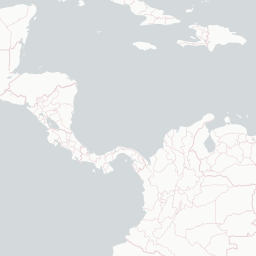
Havana is the capital and largest city of Cuba. The heart of La Habana Province, Havana is the country's main port and commercial center. It is the most populous city, the largest by area, and the second-largest metropolitan area in the Caribbean region. The population in 2021 was 2,142,939 inhabitants, and its area is 728.26 km2 (281.18 sq mi) for the capital city and 8,475.57 km2 for the metropolitan zone.
The links below support the changing or licensed reference material on this page. Personal notes and ordinary geographic facts are not footnoted individually.
Monthly highs, lows, rainfall — long-term averages, NASA POWER.
Maps, image licenses, and the full dataset registry are listed in site credits.