



Visit Shandong for museums, galleries, and collections, music, theater, and performance, religious and civic architecture. Use Shandong to connect cultural institutions with streets, food, public space, and nearby landscape rather than treating each stop separately. A good itinerary should stay selective. A good route in Shandong begins with one serious site and adds smaller stops only when they clarify the same area. The result is a day in Shandong that can be followed, remembered, and adjusted. Day trips from Shandong work best when they change the reader's understanding of the base, rather than only the mileage.
Do not visit Shandong expecting every worthwhile stop to be close together or easy to improvise. In Shandong, opening hours, transport, weather, crowds, and distance can shape the day more than the list of sights. In Shandong, keep the plan compact, check hours before arrival, and use taxis or rideshares when public transport is inconvenient or safety varies by area. If the main interest is one nearby site, it may be better to treat Shandong as a base rather than the whole destination.
Current conditions and the practical reference material that helps turn the saved places into a trip.
7-day forecast from Open-Meteo. UV badges flag days when sun protection matters (3 and above is moderate; 8 and above is risk territory for unprotected fair skin within 30 minutes).
About 81% of the year's rain falls in these months. Typical highs around 29°C, lows around 17°C.
Typical highs around 11°C, lows around -1°C. About 19mm of rain a month.
Public holidays from Nager.Date.
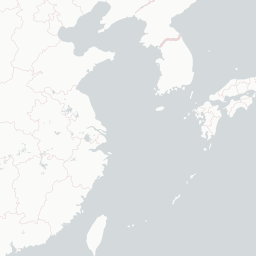
Shandong is a coastal province in East China which has played a major role in the development of the Chinese civilization and culture as it has served as a pivotal cultural and religious center for Taoism, Chinese Buddhism and Confucianism. Shandong's Mount Tai is the most revered mountain of Taoism and a site with one of the longest histories of continuous religious worship in the world. The Buddhist temples in the mountains south of the provincial capital of Jinan were once among the foremost Buddhist sites in China. The city of Qufu was the birthplace of Confucius, and later became the center of Confucianism.
The links below support the changing or licensed reference material on this page. Personal notes and ordinary geographic facts are not footnoted individually.
Monthly highs, lows, rainfall — long-term averages, NASA POWER.
Maps, image licenses, and the full dataset registry are listed in site credits.