Photos from Ulm

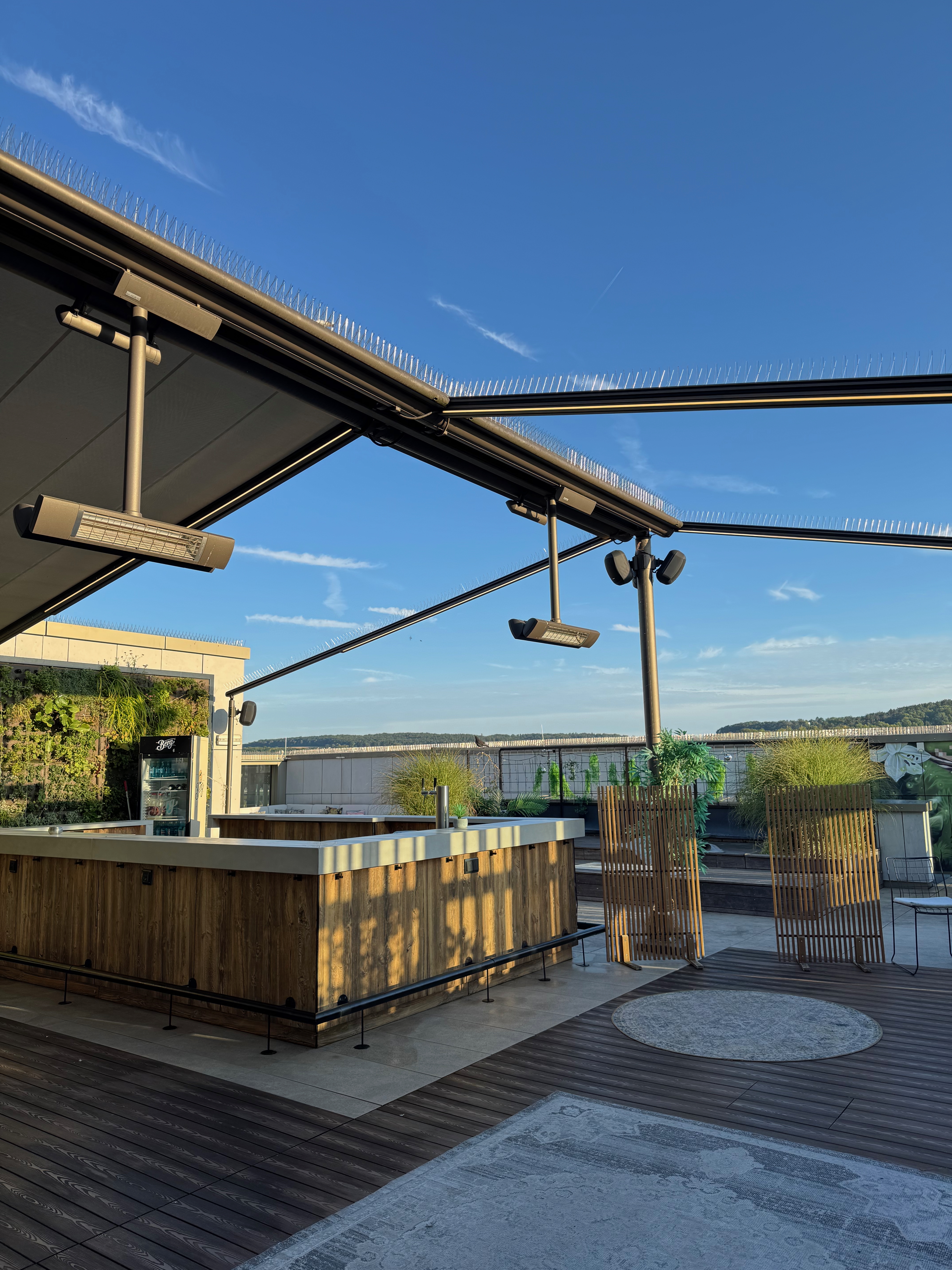
Me and All Hotel Ulm, by Hyatthotel

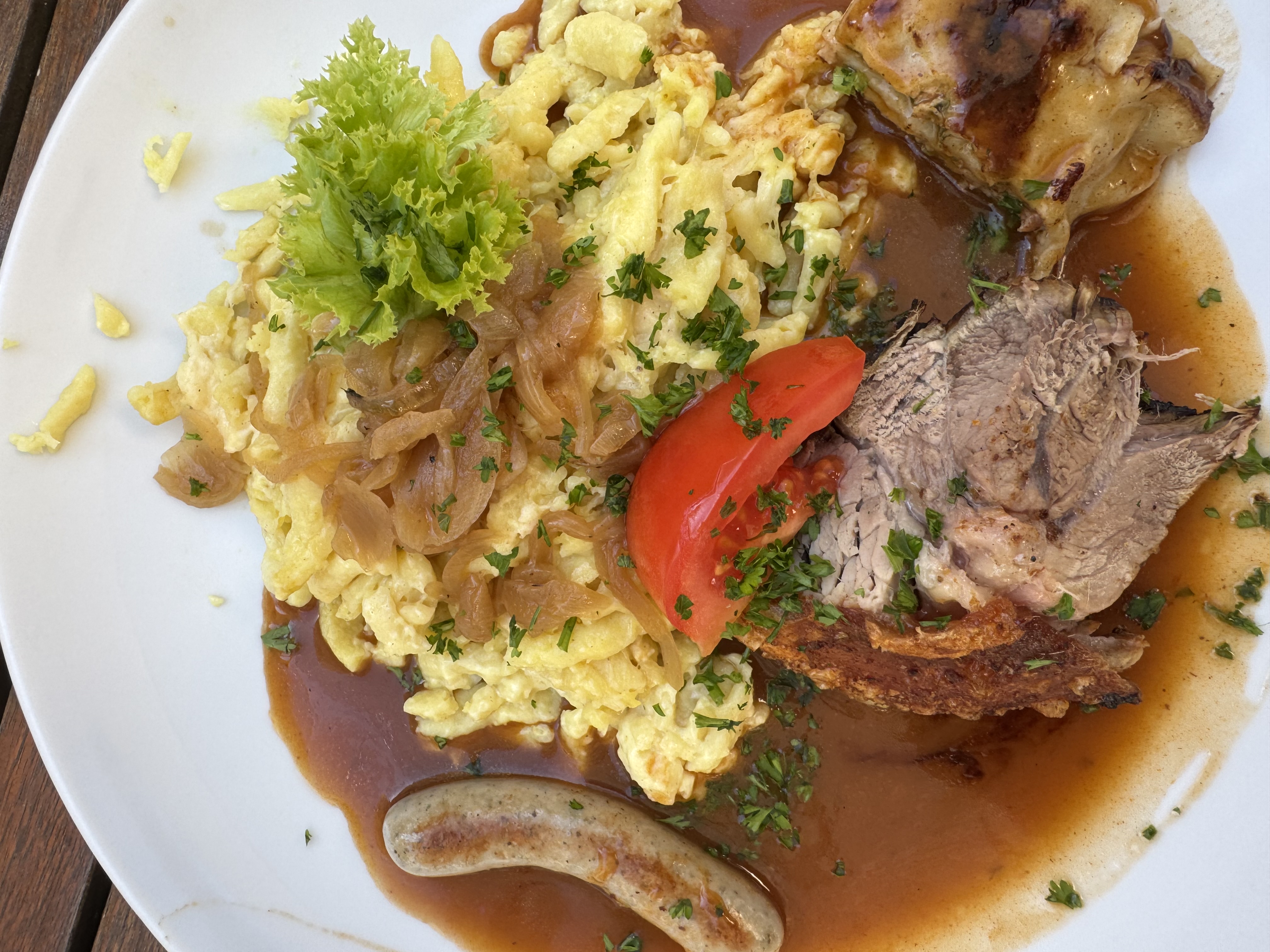
Drei Kannen - Historisches Brauhausrestaurant

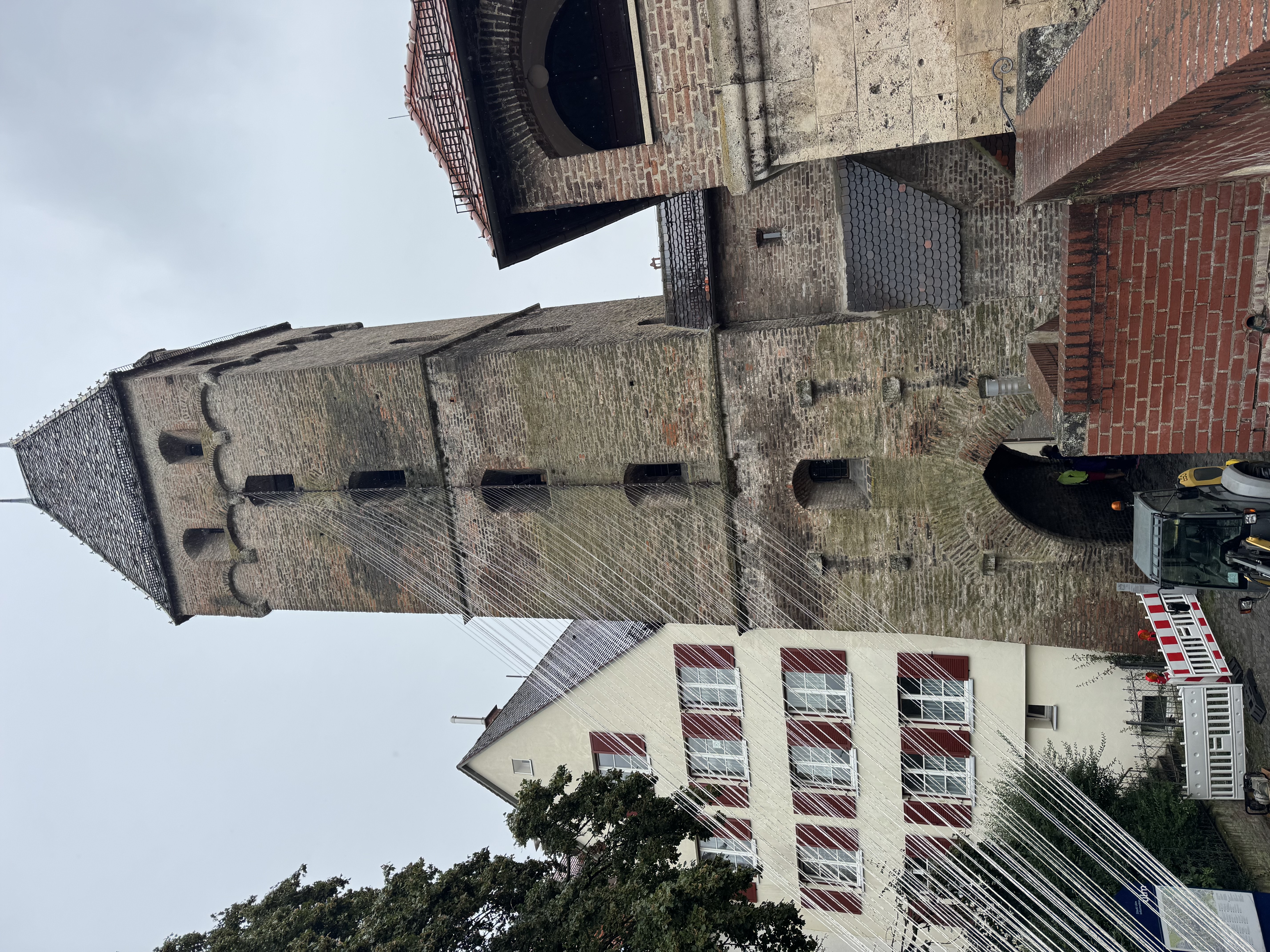
Metzgerturmattraction
Current conditions and the practical reference material that helps turn the saved places into a trip.
7-day forecast from Open-Meteo. UV badges flag days when sun protection matters (3 and above is moderate; 8 and above is risk territory for unprotected fair skin within 30 minutes).
Typical highs around 21°C, lows around 11°C. Also the wettest months.
Typical highs around 2°C, lows around -4°C.
Public holidays from Nager.Date.
Public-transit operators within 8 km of the city center. Click through to each operator’s site for routes, fares, and tickets.
Ulm is the sixth-largest city of the southwestern German state of Baden-Württemberg, and with around 129000 inhabitants, it is Germany's 60th-largest city.
The links below support the changing or licensed reference material on this page. Personal notes and ordinary geographic facts are not footnoted individually.
Monthly highs, lows, rainfall — long-term averages, NASA POWER.
Operators and modes are aggregated from individual transit-agency GTFS feeds. Route classifications come from each feed’s route type codes.
Maps, image licenses, and the full dataset registry are listed in site credits.
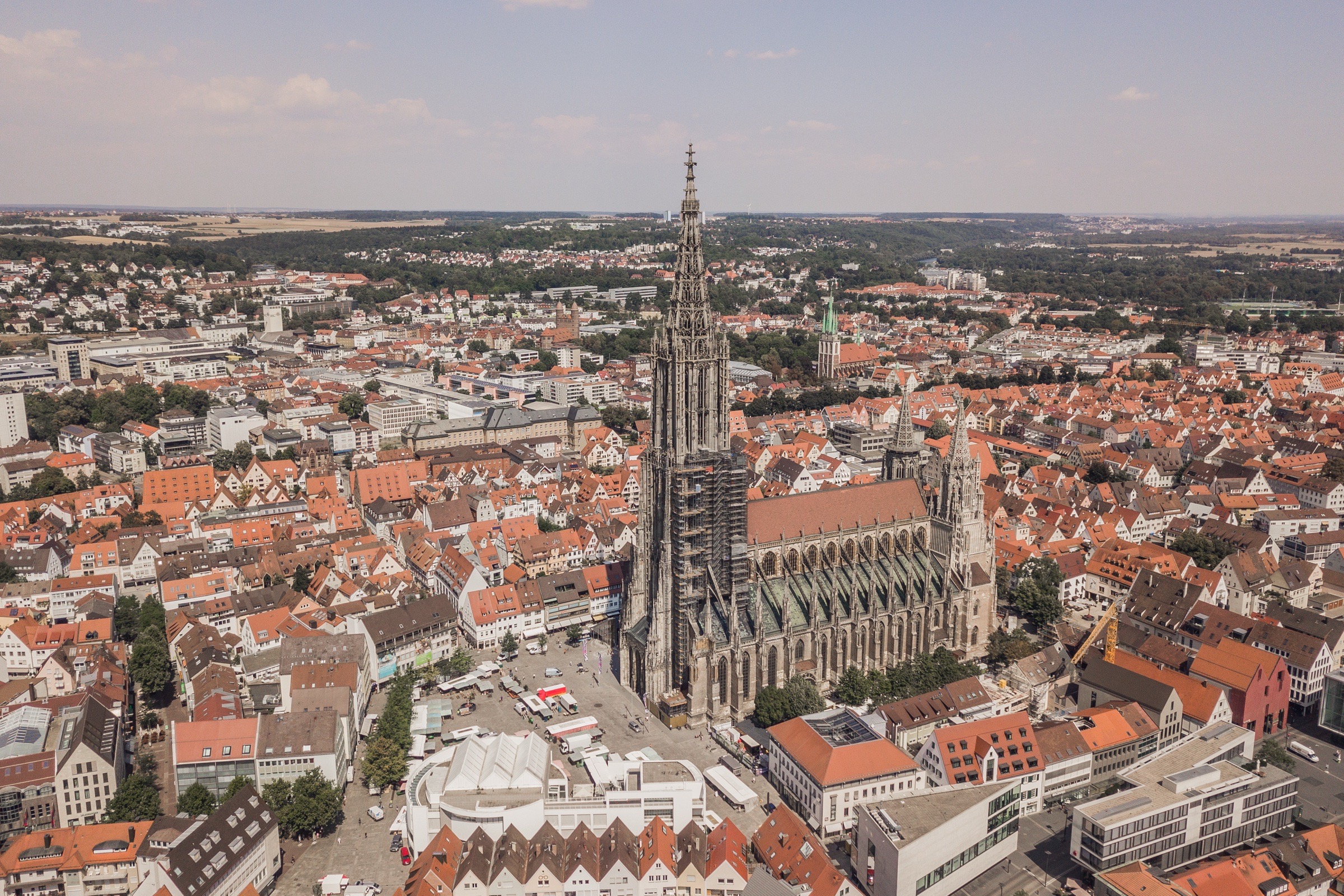
My Ulm travel guide. The Minster and its world-record spire, the Fishermen's Quarter, where to stay, the Danube, and where to eat.
Ulm has the tallest church spire in the world, and that single fact carries the trip. Below the Minster sits a pretty half-timbered old town on the Danube, directly on the fast line between Stuttgart and Munich.
Planning brief
Ulm is a city of about 130,000 on the Danube in southwest Germany, on the rail line between Stuttgart and Munich. It is known for one extraordinary thing, the Minster with the tallest church steeple in the world, and for a pretty riverside Old Town below it. The Minster, Old Town, and Fishermen's Quarter form a compact central route.
The Minster, Old Town, and Fishermen's Quarter cluster within walking distance of the station.
The 768-step climb up the tallest church spire in the world gives you a view over the city to the Alps on a clear day.
The half-timbered lanes of the old fishing and tanning district, threaded by canals, hold the Crooked House and the prettiest streets in town.
Ulm sits on the fast line between Stuttgart and Munich, which makes it a simple add to a wider southern Germany trip.
Ulm is on Germany's ICE high-speed rail network, on the Stuttgart-Munich line, so trains are frequent and fast. Stuttgart is about an hour away, Munich about an hour and a quarter. Ulm Hauptbahnhof is a short walk from the Minster and the Old Town.
The nearest airports are Stuttgart and Munich, with Memmingen as a smaller budget-airline option to the south. Inside Ulm itself you do not need transport, since the center is small and walkable.
The Ulm tram is useful if your hotel, university stop, or Neu-Ulm movement sits away from the Minster core. For the Minster and old-town route, arrive by train, walk the center, and keep the tram as a fallback.
Stay in the center, near the Minster and the Old Town, since everything in this guide is within a short walk.
Me and All Hotel Ulm, a Hyatt-brand hotel, is the lodging pin on the Ulm list and is rated 5. Beyond it the atlas does not yet carry a wide hotel pin set for Ulm, so book on the usual sites and read recent reviews for the property. Proximity to the station and the Minster matters more than the district.
The Ulm Minster, the Ulmer Münster, is the city. Its steeple rises about 161.5 meters, the tallest of any church in the world, and the climb to the viewing platform is 768 steps up a narrowing stone staircase, with the upper stages open and exposed. On a clear day the view reaches south to the Alps. The Minster is a Protestant church, free to enter, and the tower climb is a separate paid ticket.
Around it the Old Town runs on a market square, the Marktplatz, fronted by the ornate Gothic Rathaus and, on the cathedral square, the modern white Stadthaus by the architect Richard Meier, a deliberate contrast. Near the station, a small memorial marks the birthplace of Albert Einstein, who was born in Ulm in 1879.
The Fischerviertel, the Fishermen's and Tanners' Quarter, is the prettiest part of Ulm, a cluster of half-timbered houses, narrow lanes, and small canals where the Blau stream runs into the Danube. The Crooked House, the Schiefes Haus, leans dramatically over the water and now operates as a hotel.
The Danube itself forms the city's southern edge and the historic border with Bavaria, and the town of Neu-Ulm sits directly across the river. A stretch of the old city wall survives along the bank, including Metzgerturm, the leaning Butchers' Tower.
Ulm eats on Swabian cooking, the regional style of Maultaschen filled pasta, Spätzle, and hearty meat plates, with a good spread of international kitchens on top.
Notes are thin, though two pins carry a 5 rating.
| Spot | What it is | Rating |
|---|---|---|
| Drei Kannen Historisches Brauhaus | A historic brewhouse with regional cooking | 5/5 |
| Haberfelder im Ulmer Wirtshaus | A traditional Ulm tavern | Pinned |
| Hoi An Restaurant Ulm | Vietnamese | Pinned |
| Marrakech Argana Restaurant | Moroccan | Pinned |
| Yoko | Japanese and Asian | Pinned |
| myha, Ulm | A general restaurant | Pinned |
| EAT HAPPY | A casual counter | Pinned |


