4.0511, 114.8158
Gunung Mulu National Park
Gunung Mulu, Malaysia
Mike's review
Visited 2023Gunung Mulu is a bucket list item for anyone who loves bats. They’re everywhere, millions of them!
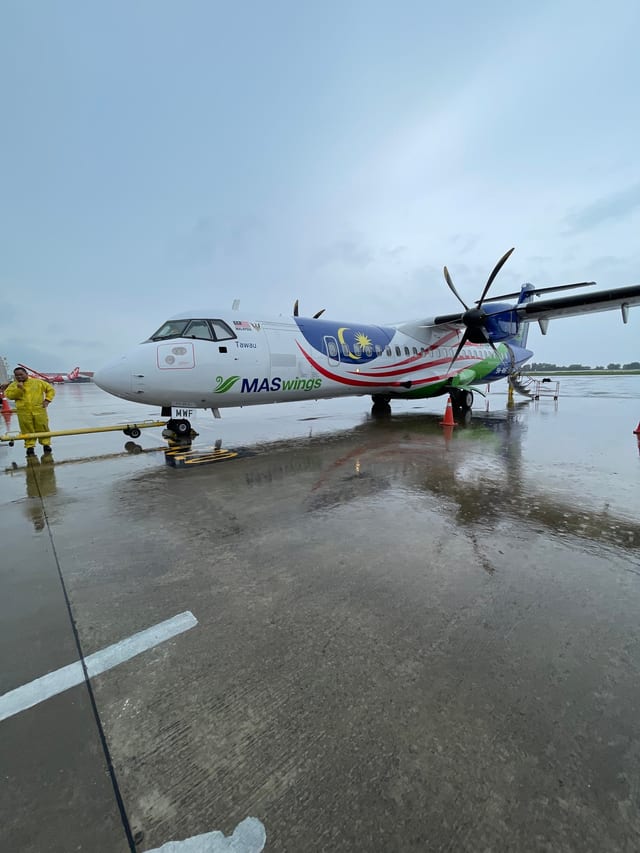
The park is remote, even for asia: expect to spend over a day in transit each way if you are coming from the west.
Park fees are incredibly reasonable, as are the tours. Book in advance as they are space limited and can sell out.
From the source
Important both for its high biodiversity and for its karst features, Gunung Mulu National Park, on the island of Borneo in the State of Sarawak, is the most studied tropical karst area in the world. The 52,864-ha park contains seventeen vegetation zones, exhibiting some 3,500 species of vascular plants. Its palm species are especially varied, with 109 species in twenty genera noted. The park is dominated by Gunung Mulu, a 2,377 m-high sandstone pinnacle. At least 295 km of explored caves provide a spectacular sight and are home to millions of cave swiftlets and bats. The Sarawak Chamber, 600 m by 415 m and 80 m high, is the largest known cave chamber in the world.
Supporting sources: Legacy import provenance, Wikipedia
When to visit
Hours
- Mon
- —
- Tue
- —
- Wed
- —
- Thu
- —
- Fri
- —
- Sat
- —
- Sun
- —
The park operates every day, but most visitor experiences are tied to scheduled tours rather than one fixed sightseeing timetable.
Admission
Foreign adult 5-day park pass is RM 30. This is park entry only; guided caves, walks, and other activities cost extra.
When to go
- Time of day: Morning
Features & amenities
What to expect
- Outdoor
What to bring
- Sunscreen
- comfortable shoes
- Cash
- Water
- bug spray
- hat
Good to know
- Not wheelchair accessible
- Guide recommended
- Safety
- Weather, flight changes, and heavy rainfall can affect plans. Bring proper footwear, rain gear, torchlight, insect repellent, and cash.
Tags
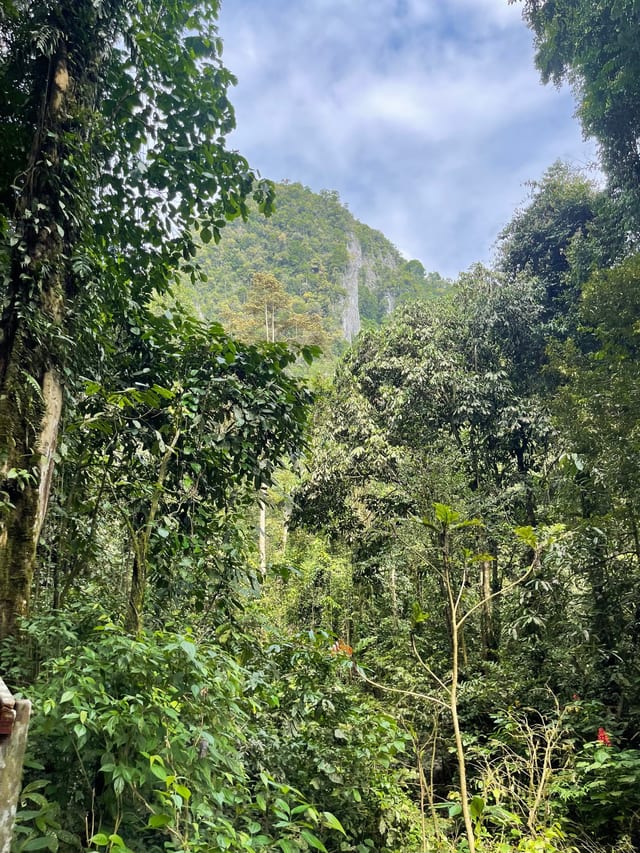
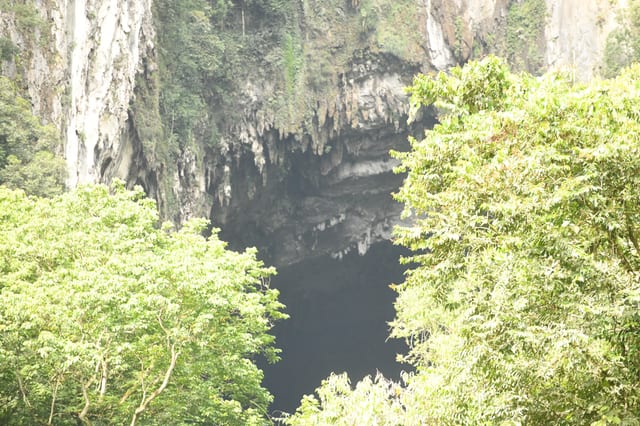
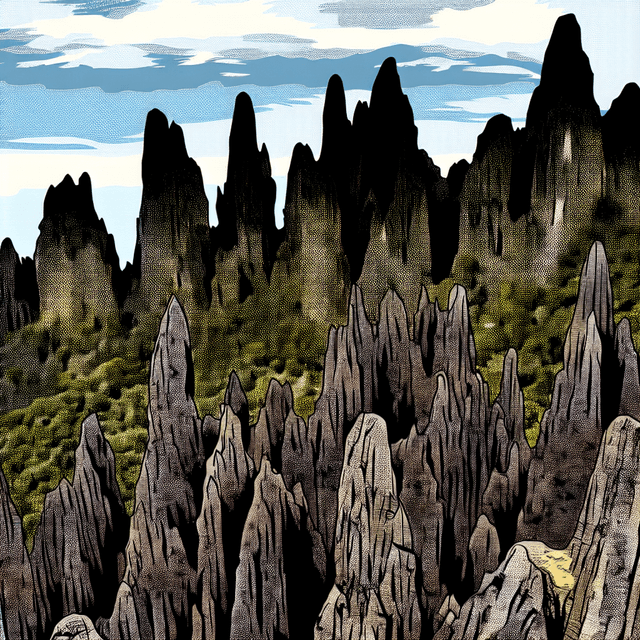
Inside Gunung Mulu National Park


In my guides
Where Gunung Mulu National Park comes up in my writing.
More near here
Other pins within walking distance of Gunung Mulu National Park.
Planning Gunung Mulu
The rest of my Gunung Mulu saves, on the city's planning pages.