Photos from Gunung Mulu
 +1
+1Lang Cavepark
 +6
+6Gunung Mulu National Parkpark
+1+6Current conditions and the practical reference material that helps turn the saved places into a trip.
7-day forecast from Open-Meteo. UV badges flag days when sun protection matters (3 and above is moderate; 8 and above is risk territory for unprotected fair skin within 30 minutes).
Typical highs around 27°C, lows around 21°C. The wettest months are Oct-Jan.
The Gunung Mulu National Park, also known simply as the Mulu National Park is a national park in Miri Division, Sarawak, Malaysia. It is a UNESCO World Heritage Site that encompasses caves and karst formations in a mountainous equatorial rainforest setting. The park is famous for its caves and the expeditions that have been mounted to explore them and their surrounding rainforest, most notably the Royal Geographical Society Expedition of 1977–1978, which saw over 100 scientists in the field for 15 months. This initiated a series of over 20 expeditions now named the Mulu Caves Project.
The links below support the changing or licensed reference material on this page. Personal notes and ordinary geographic facts are not footnoted individually.
Monthly highs, lows, rainfall — long-term averages, NASA POWER.
Maps, image licenses, and the full dataset registry are listed in site credits.
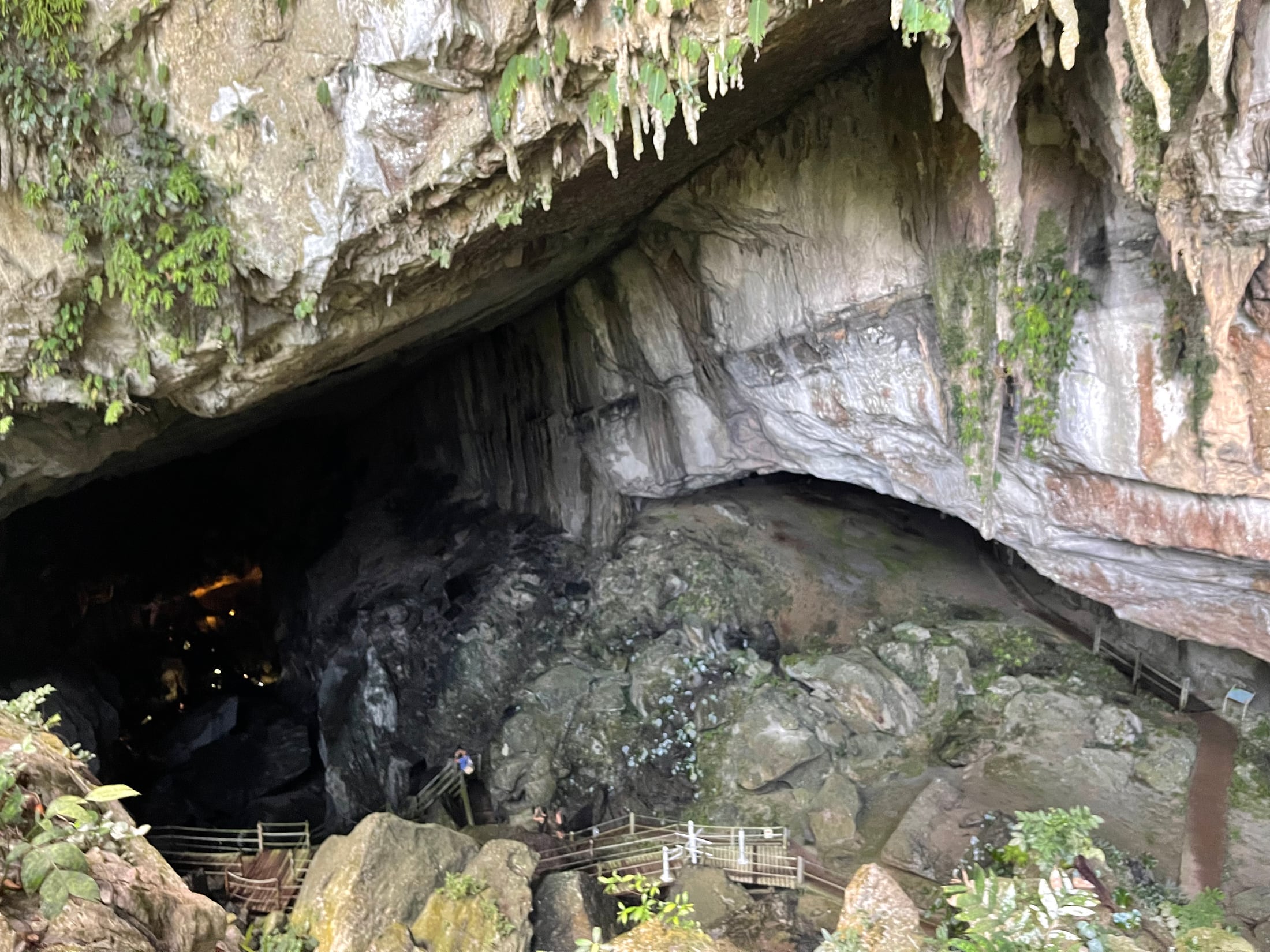
My Gunung Mulu travel guide. Routing in through Kuching or Kota Kinabalu, why the Mulu Marriott is the base, what to book at the park, and the Pinnacles trek.
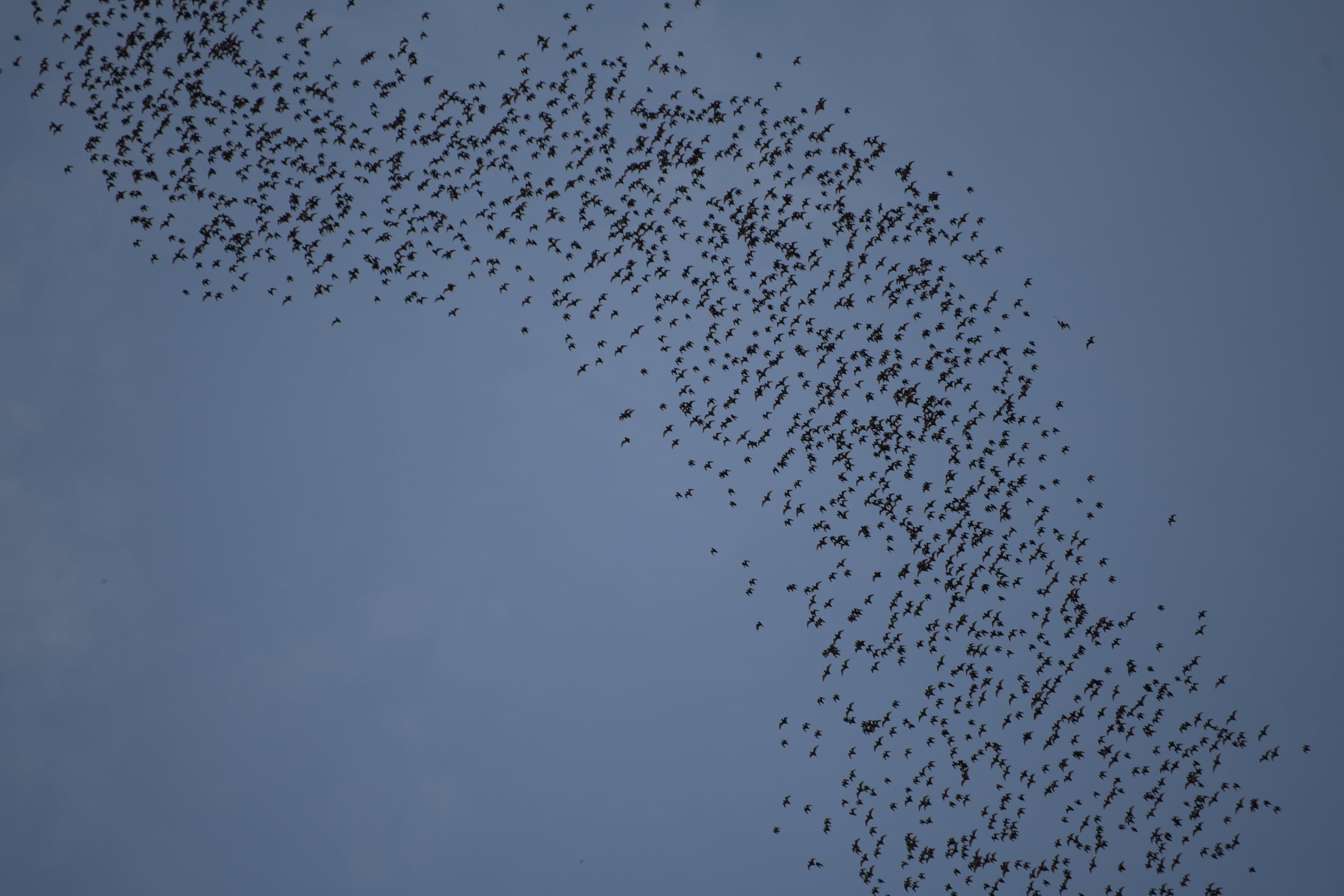
Gunung Mulu National Park in Sarawak sits on one of the world's biggest cave systems, with bat colonies that pour out of Deer Cave every dusk. It is also hard to reach, a tiny airport, a few turboprops a day, no road in, so plan it well ahead. Here's how I'd do it.
Planning brief
Gunung Mulu National Park is a UNESCO rainforest in Sarawak with one of the largest cave systems in the world. It is also one of the harder national parks to reach. Plan the airline routing around Kuching or Kota Kinabalu, book the cave tours before you arrive, and accept that the Mulu Marriott is effectively the only adult-comfort hotel within reach.
MASwings runs roughly four daily ATR-72 rotations into Mulu Airport (MZV) across the three hubs (Miri the most frequent, plus daily service from Kuching and Kota Kinabalu). Round-trip into Mulu is the same price as a one-way, so use Mulu as a stopover between two layovers. Kuching and Kota Kinabalu are the layovers with the strongest onward connections.
There are fewer than 10 places to sleep on the whole map. The Mulu Marriott is the only Western-grade hotel, runs about $100 a night, occupancy is low enough that suite upgrades are common, and there is an on-demand airport shuttle that meets every flight.
Deer, Lang, and Clearwater caves are guided-tour only, the park keeps bookings in a physical book, and spots are limited. Email park staff to reserve before you arrive. Unguided boardwalks fill the rest of the time.
Mulu's most photographed feature is the Pinnacles, and reaching them is a 3-day, overnight, properly strenuous climb with hard turnaround checkpoints. It is not a day hike. If you want the photo, plan it as the center of the trip.

Three reasons. The park is a UNESCO site for its flora and fauna, with the bat colonies as the main draw. The evening flyout from Deer Cave is the kind of thing that gets onto nature documentaries. The cave system itself is among the largest on the planet, with the Deer Cave entrance over 140 meters tall. And the karst formations the caves carved out include the Pinnacles, a field of vertical limestone blades that are the park's most photographed feature.
The oddity is part of the draw. A Marriott in a rainforest, where bats fly around the bar at night, is a real travel anecdote. It is one of the few places where a major loyalty program drops you straight into a UNESCO park.

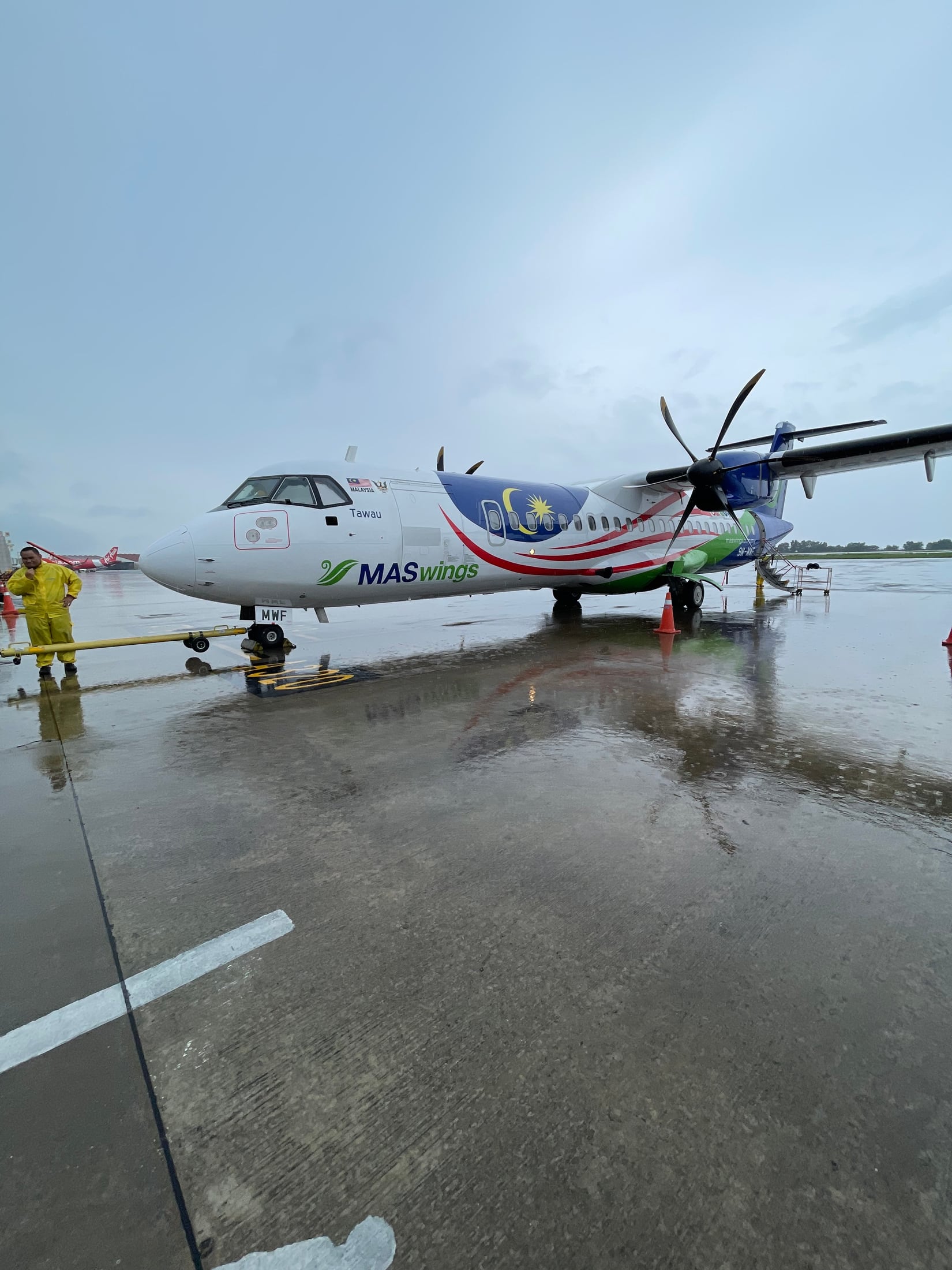
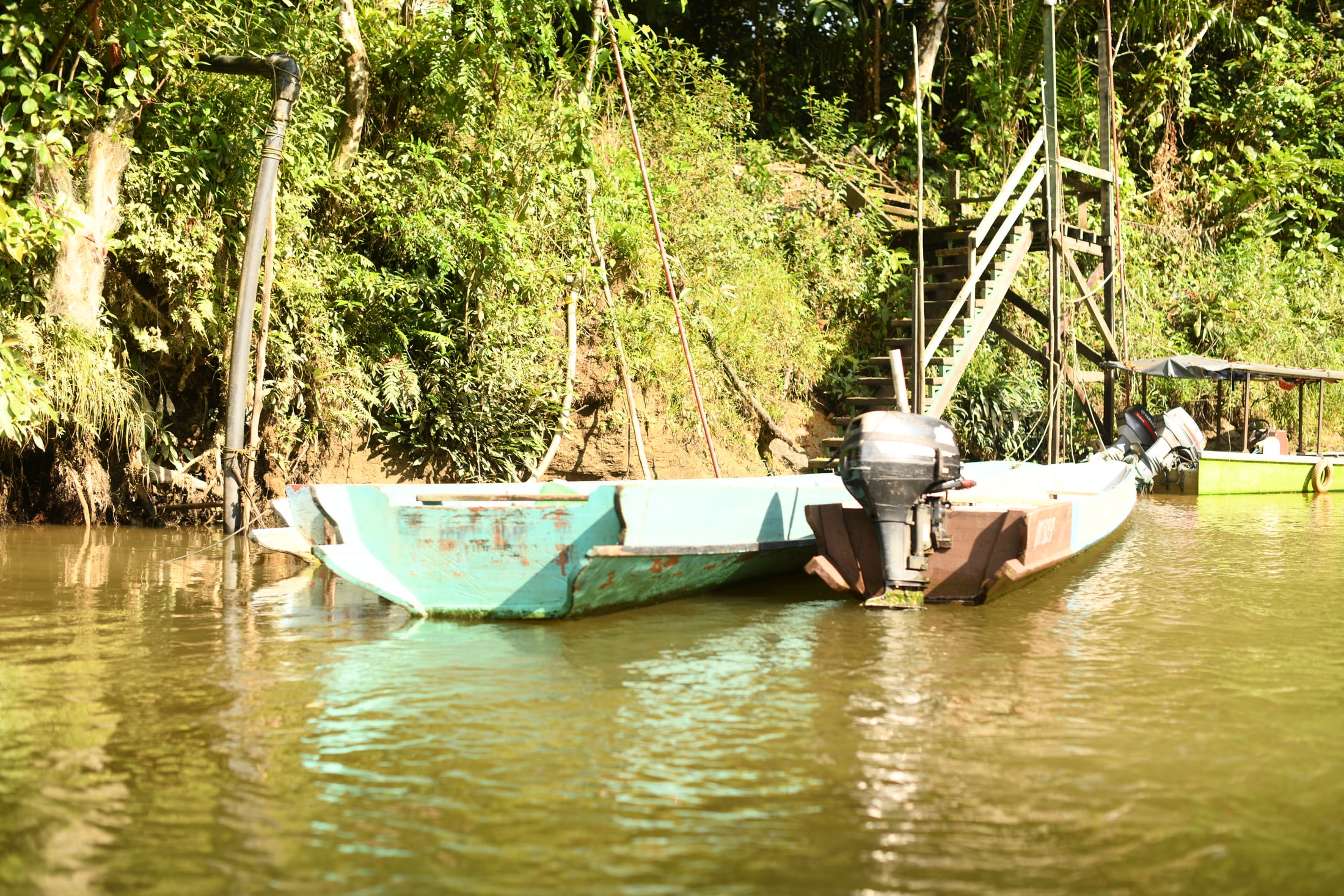
Mulu Airport (MZV) is the only way in unless you are doing a multi-day river trip from Brunei. MASwings (Malaysia Airlines' regional subsidiary, transitioning to AirBorneo in 2026) runs roughly four daily ATR-72 rotations across the three hubs. The flights are often under 20% full, which means they sometimes move seats around to balance the load on the day.
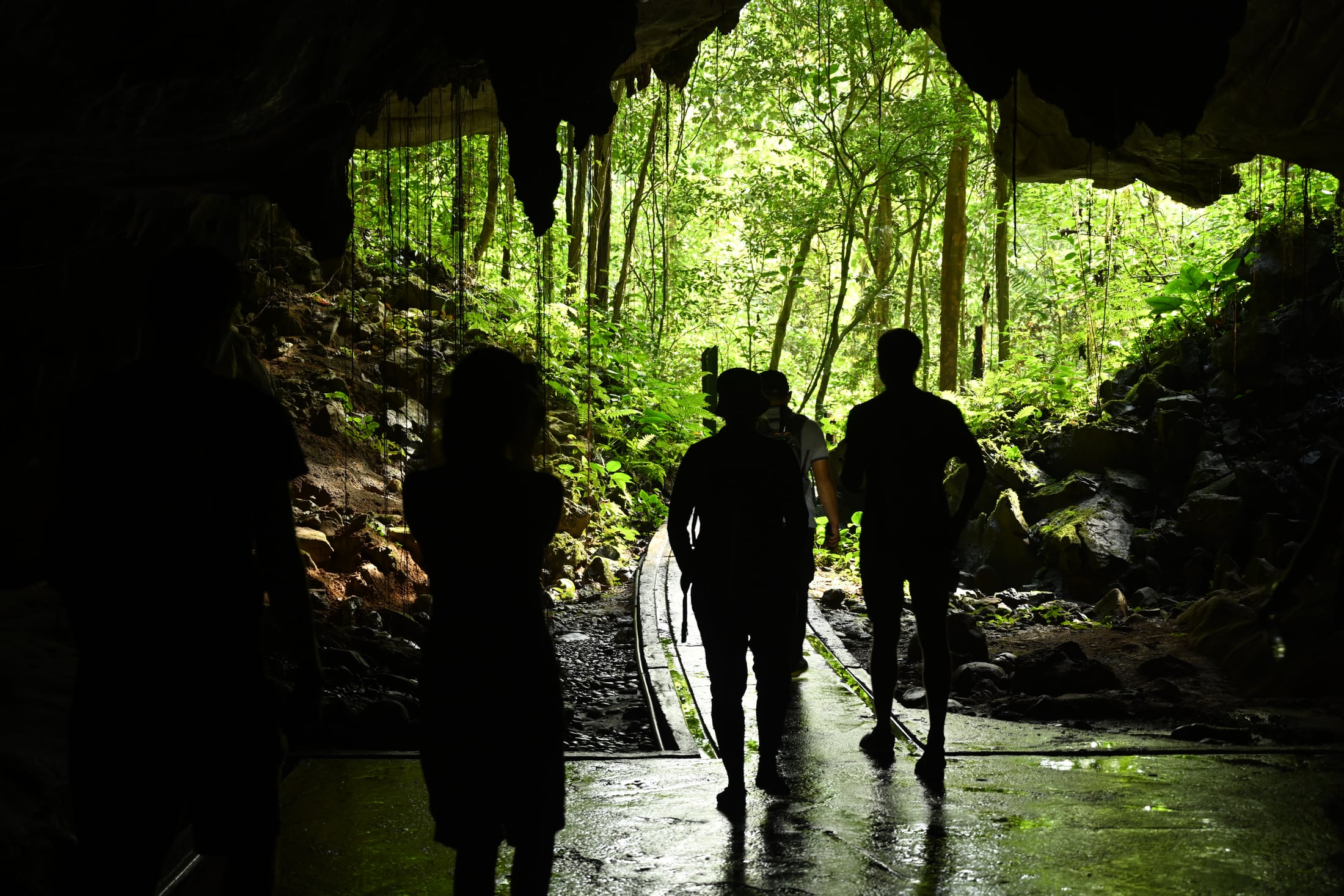
| Hub | Airline | Notes |
|---|---|---|
| Miri (MYY) | MASwings ATR-72 | Shortest hop, but Miri itself is not a destination |
| Kuching (KCH) | MASwings ATR-72 | Worth turning into a few days. UNESCO old town, food scene |
| Kota Kinabalu (BKI) | MASwings ATR-72 | The other reasonable layover. Mount Kinabalu, marine park, beaches |
Round-trip pricing into Mulu is the same as one-way, so book in from one of the three and out to another. Kuching in, Kota Kinabalu out (or the reverse) is the cleanest pairing.
From outside Malaysia, you connect via Kuala Lumpur or Singapore first. KL is the cheaper, easier hotel night if your layover is overnight. Singapore is faster gate-to-bed if your layover is short.
Gunung Mulu is a national park, so the festival calendar is light. A few regional and indigenous events can shape trip extensions or the cultural side of a Sarawak visit.
| Event | When | What it changes |
|---|---|---|
| Rainforest World Music Festival (Kuching) | A weekend in late June or early July, three days | Not in Mulu itself but in Kuching (the Sarawak capital, 90 minutes by plane). One of the most respected world-music festivals in Southeast Asia, held at the Sarawak Cultural Village. A reason to extend a Mulu trip with a Kuching stop |
| Gawai Dayak (Harvest Festival) | June 1 to 2 | The biggest indigenous Dayak festival in Sarawak. State public holiday. Most park staff travel home, so the park itself runs at reduced staffing. Longhouse visits across the region open up to visitors for the week |
| Hari Raya Aidilfitri (Eid al-Fitr) | End of Ramadan, lunar calendar | National holiday. Many park staff travel home. Plan around it for tour bookings |
| Sarawak Independence Day | July 22 | State public holiday. Smaller cultural impact at the park |
| Malaysia Day | September 16 | National holiday commemorating Sarawak and Sabah joining the federation |
| Mooncake Festival (Chinese-Sarawakian) | A day in September or October (Mid-Autumn Festival) | Smaller scale in the park, larger in Miri and Kuching where the Chinese-Malaysian community is concentrated |
| Borneo Jazz Festival (Miri) | A weekend in mid-July | In Miri (one of the three Mulu hub airports). A reason to overnight in Miri before or after the park |
The practical timing issue is the bat flyout at Deer Cave, which runs nearly nightly when weather allows. Heavy rain can move it earlier or cancel it, so allow three or four evenings if that is the priority.
| Where | Why pick it | Trade-off |
|---|---|---|
| Mulu Marriott Resort & Spa | The only Western-grade hotel for a long way. ~$100/night, on-demand shuttle at the airport, suite upgrades common for status members | Open-air public floors mean bats and frogs at the bar at night. Wi-Fi only in reception/bar/pool, not in rooms. The pool could be cleaner, the park is why you came |
| Park lodge | Closer to the trailheads, hostel beds ~$11 and villas $65+ | No Wi-Fi at all. Spartan |
| Homestays / Mulu Village guesthouses | Cheapest, most local | Quality varies. The Marriott is the safer pick unless cost is the deciding factor |
The Marriott runs a free shuttle that meets every flight, so you do not need to pre-book transport. Going back out, the same shuttle drops you at the airport with timing matched to your departure. Mulu Airport is tiny and efficient. An hour ahead of the flight is plenty.
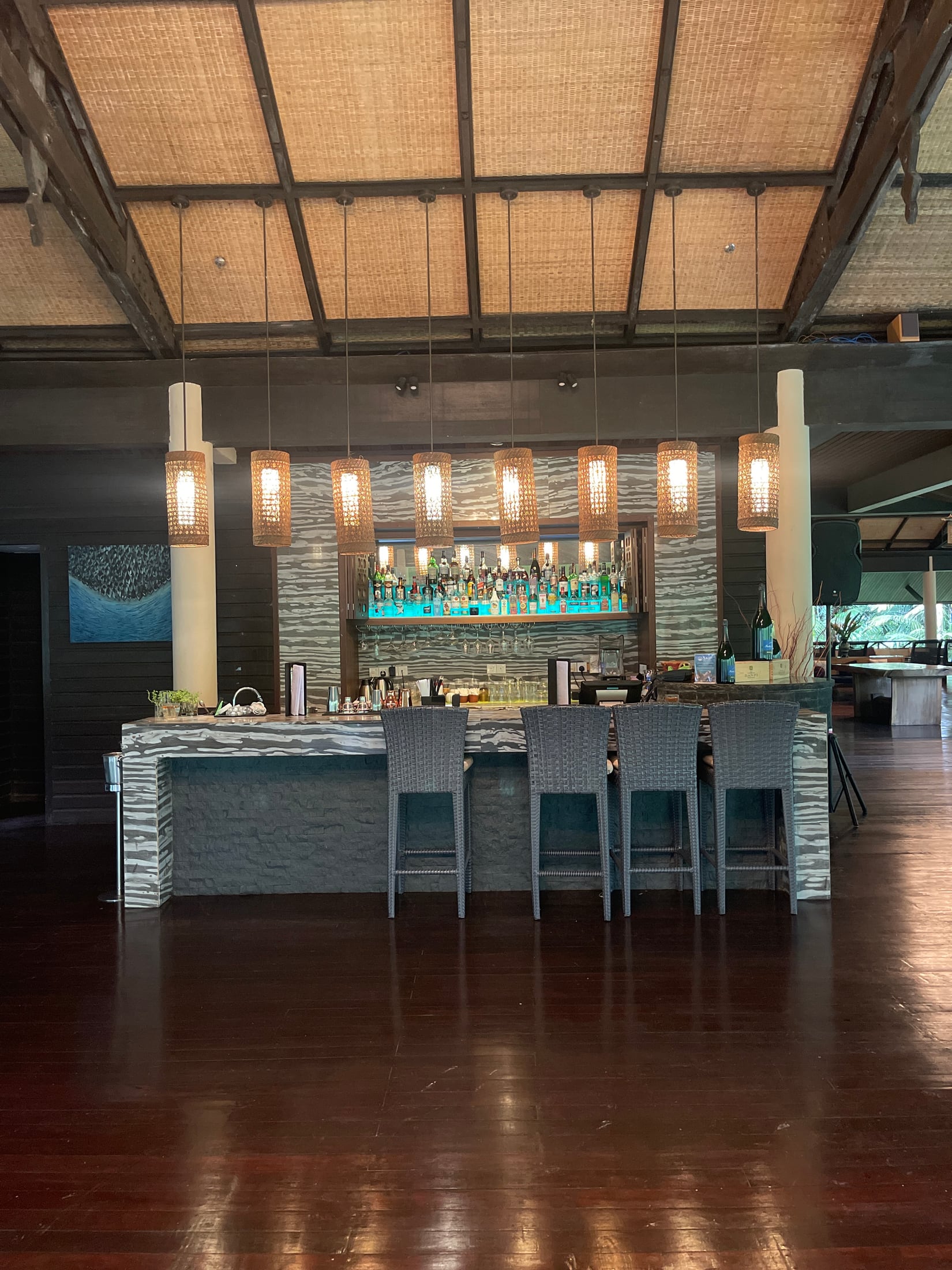
The park sells two categories of access: unguided boardwalks (turn up and walk) and guided cave tours (book ahead). The guided tours are the ones that need planning.
| Tour | Booked through | Notes |
|---|---|---|
| Deer Cave + Lang Cave | Park staff (email) | The classic afternoon: Deer Cave, the evening bat flyout, Lang Cave on the way back. Combined tour |
| Clearwater Cave | Park staff (email) | River-fed cave with substantial stairs. The single best cave tour for non-climbers |
| Garden of Eden | Park staff (email) | Inside Deer Cave, only on the longer guided variant |
| Pinnacles trek | Park staff (email), book months ahead | 3-day overnight. See below |
Tours cost under $10 each. Park staff keep bookings in a physical book, so email them well before you arrive. The booking system does not exist online in any reliable form.
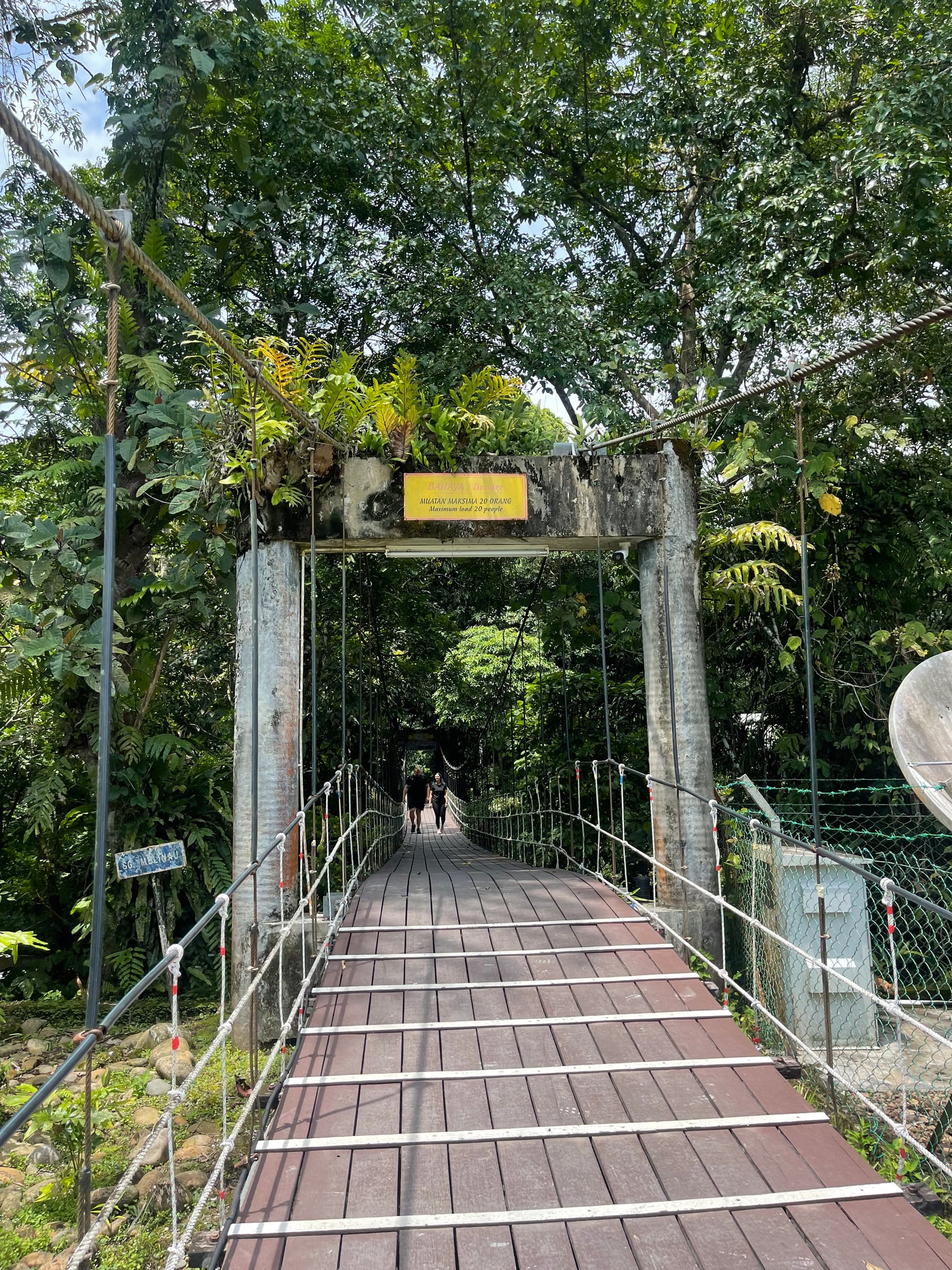
| Walk | What you see | Effort |
|---|---|---|
| Paku Waterfall Trail | Jungle stream, waterfall pool | Easy boardwalk |
| Tree Top Tower walk | Mulu Tree Top Tower, canopy birding hide | Easy boardwalk, stairs at the tower |
| Botanical Heritage Trail | Labelled rainforest plants | Easy boardwalk |
| Nightwalk | Frogs, insects, snakes, stick insects | Easy, but at night with a torch |
| Bat Observatory | Where you sit for the Deer Cave evening flyout | Easy boardwalk |
Total network is about 10 km. None of it requires more than water and bug spray. Stella Mulu Cafe is the spot for a cold drink between walks.
The Pinnacles are the photo: rows of vertical limestone blades rising out of the rainforest near the summit of Mount Mulu. Reaching them is a 3-day overnight trek with timed checkpoints. If you do not hit each checkpoint on schedule, you turn back. The climb is physical and the descent is harder. You sleep at Camp 5, where the showers are river-fed and the kitchen is communal.
If the Pinnacles are the reason you are coming, plan the trip around them rather than as an add-on to a Marriott stay. Book months in advance, pack a proper headlamp and ankle-stabilising boots, and budget a recovery day at the Marriott on the back end.


