52.4042, 13.0392
Sanssouci Palace
Berlin, Germany
About
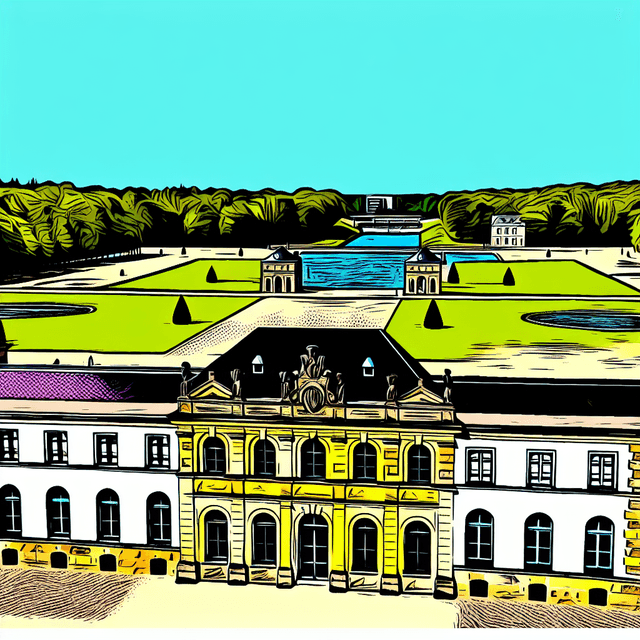
No other palace is so closely linked with the personality of Frederick the Great as Sanssouci. The name Sanssouci – without a care – should be understood as both the primary wish and leitmotif of the king, because this was the place where he most preferred to retreat in the company of his dogs. The king’s summer residence was ultimately his favorite place and sanctuary in difficult times.
The location of the palace beside its well-known vineyard terraces and the originally preserved 18th century interior decoration allow visitors to delve into the world of the “philosopher of Sanssouci.” The interiors are characterized by their elegance and stylish displays of grandeur. They are also a clear expression of the king’s love of beautiful surroundings – his “Prussian Arcadia.”
The magnificent Picture Gallery and the New Chambers palace also belong to Sanssouci Palace.
It is of note that the king wished to be buried in a crypt on the uppermost terrace of the vineyard. Even in death, he wanted to be near his beloved Sanssouci. His wish was granted, although not until his reburial there in 1991. Frederick the Great’s grave is located on the highest terrace.
Supporting sources: Legacy import provenance, Wikipedia
Plan your visit
Booking
Booking recommended
When to go
- Time of day: Morning, Afternoon
Features & amenities
What to expect
- Indoor + outdoor
What to bring
- comfortable shoes
- light layer
Tags
More near here
Other pins within walking distance of Sanssouci Palace.
Planning Berlin
The rest of my Berlin saves, on the city's planning pages.