Current conditions and the practical reference material that helps turn the saved places into a trip.
The next week in Houston
7-day forecast from Open-Meteo. UV badges flag days when sun protection matters (3 and above is moderate; 8 and above is risk territory for unprotected fair skin within 30 minutes).
Today
Overcast
36° / 26°
UV Very high
Tue
Overcast
35° / 25°
UV Very high
Wed
Partly cloudy
39° / 27°
UV Very high
Thu
Showers
36° / 26°
19.0 mm
UV Very high
Fri
Thunderstorm
36° / 26°
4.8 mm
UV Very high
Sat
Overcast
38° / 27°
UV Very high
Sun
Drizzle
37° / 27°
0.6 mm
UV High
Climate
Summer (May-Sep)
Typical highs around 33°C, lows around 22°C. Also the wettest months.
Winter (Dec-Feb)
Typical highs around 17°C, lows around 6°C.
In August 4
Drag to scrub across the year.
JFMAMJJASOND
Weather
34° / 24°
Typical high / low
4 mm rainfall this month
Daylight
13.3h
06:48 – 20:03local
Holidays coming up
Public holidays from Nager.Date.
Airports
closest HOU · 16 km
Getting around Houston
Public-transit operators within 8 km of the city center. Click through to each operator’s site for routes, fares, and tickets.
Houston is the most populous city in the U.S. state of Texas and the Southern United States. It is the fourth-most populous city in the United States, with a population of 2.3 million at the 2020 census. The Greater Houston metropolitan area, at 7.8 million residents, is the fifth-most populous metropolitan area in the nation and second-most populous in Texas. Located in Southeast Texas near Galveston Bay and the Gulf of Mexico, Houston is the county seat of Harris County. Covering a total area of 640.4 square miles (1,659 km2), it is the ninth largest city in the country and the largest whose municipal government is not consolidated with a county, parish, or borough. Although primarily located within Harris County, portions of the city extend into Fort Bend and Montgomery counties. Housto
The links below support the changing or licensed reference material on this page. Personal notes and ordinary geographic facts are not footnoted individually.
highlowrainfallcomfortable months
Monthly highs, lows, rainfall — long-term averages, NASA POWER.
Greyhound↗
(opens in a new tab)
Vonlane Bus
Tornado Bus
RedCoach
Omnibus Express
Fort Bend County, Texas
The Woodlands Township
Operators and modes are aggregated from individual transit-agency GTFS feeds. Route classifications come from each feed’s route type codes.
Maps, image licenses, and the full dataset registry are listed in site credits.
Have an afternoon to spend after a business trip to Houston?
A native Houstonian's guide to visiting Houston. Where to stay by trip purpose, Space Center and Pier 8, Galveston, kolaches, Vietnamese food, barbecue, museums, Rice, and Montrose.
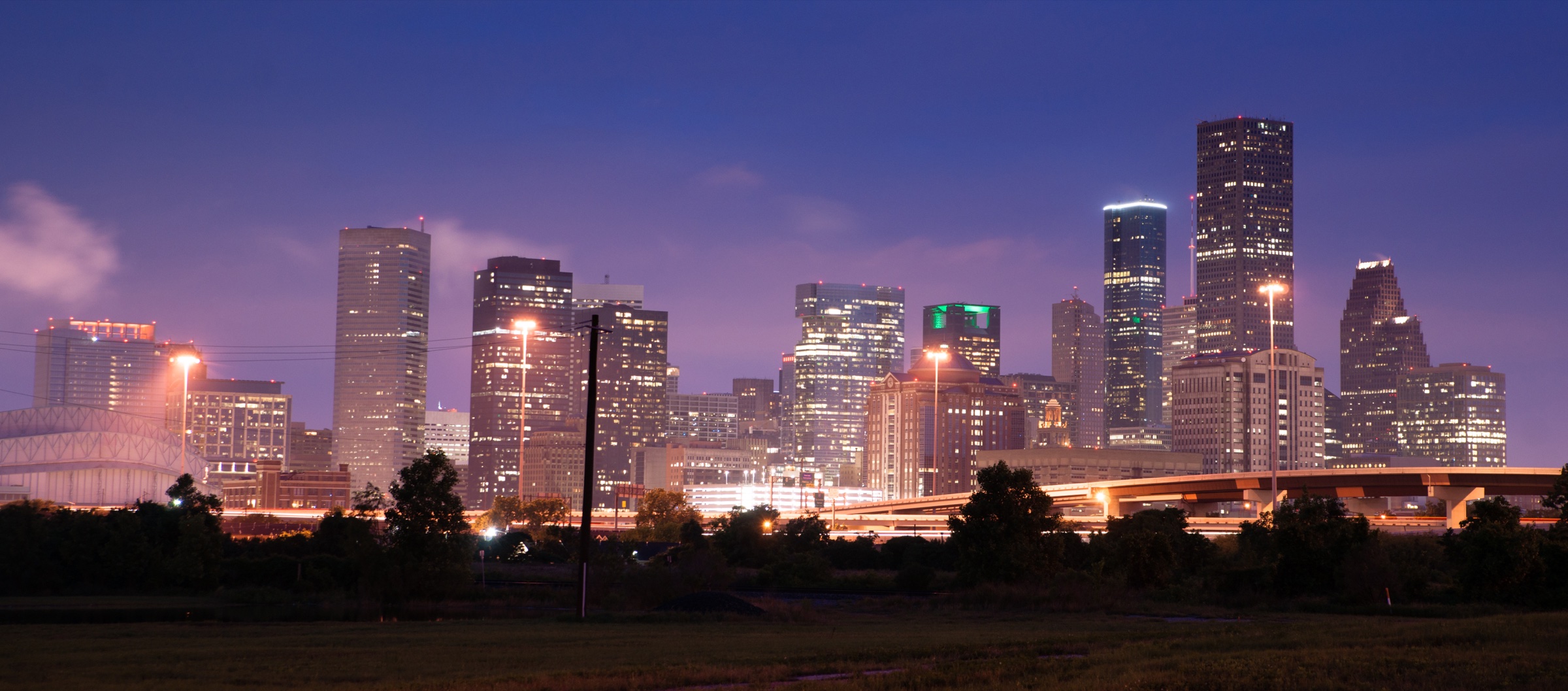
Houston is usually a work trip city. Most visits start with a meeting, conference, medical appointment, family obligation, oil-and-gas week, or a night between flights. If you have a free afternoon, choose the plan by geography first. Useful add-ons are food, museums, Space Center, Galveston, or one focused neighborhood loop.
The city is huge, new-feeling, and built around air conditioning, highways, and residential sprawl. It does not work well from one base. If the meeting is in the Woodlands, staying downtown can turn into a 90-minute commute. If you are by the water, the Medical Center can feel like another trip. Distance should decide the plan.
Planning brief
Planning Houston
Most people come to Houston for work. Start with the reason for the trip, then add food, museums, Space Center, Galveston, or one neighborhood walk if the schedule allows.
Base near the appointment
Houston is too large for casual cross-town commuting. Downtown, the Medical Center, the Woodlands, the Energy Corridor, Clear Lake, and Galveston each work only when your meetings or plans are nearby.
Space Center pairs with seafood
Space Center Houston is the standard half-day south of town. Kemah Boardwalk is easy to pair with it, but Pier 8 Seafood is the better local lunch if you want something less corporate.
Stay farther west in Galveston
Use the Strand for the old-town walk and La King's for the soda fountain, then drive farther down the island for beach time. Galveston Island State Park is the easy GPS pin.
The food is the trip
Kolaches, Vietnamese food, Viet-Cajun crawfish, Gulf seafood, Tex-Mex, and barbecue are the easiest way to use a free Houston meal well.
Rail only solves one corridor
METRORail is useful for Downtown, the museums, Rice, the Medical Center, NRG, UH, and EaDo. It is not citywide transportation. For most Houston trips, pick the base by geography and assume car or rideshare.
Houston has two useful airports. George Bush Intercontinental (IAH) sits north of the city and handles most international and legacy-airline traffic. William P. Hobby (HOU) sits southeast and is the easier airport for Southwest and shorter domestic routes.
Mode
Time
Cost
When to use
Rental car from IAH or HOU
30 to 60 min
From $40/day
A default for most Houston trips. The city is spread out and transit only covers a small slice of it
Uber / Lyft
30 to 60 min
$35 to $65 from IAH, $25 to $45 from HOU
Fine if your trip is hotel, meeting, dinner, airport
METRORail / METRO bus
60 to 90 min
$1.25 + transfers
Useful only when your hotel and plans sit on the light rail spine
Shared shuttle
60 to 90 min
$30 to $50
Cheaper than a private car, slower, and best for solo travelers going to a major hotel
The light rail is only useful around downtown, the Museum District, NRG, Rice, and the Medical Center. It is not a citywide solution. If you want to see the Space Center, Galveston, The Galleria, the Woodlands, or Katy, get a car.
Transit notes
Houston METRORail is a corridor tool, useful along one line rather than across the city. If your day is Downtown to the museums, Rice, the Medical Center, NRG, UH, TSU, or EaDo, it can help. For almost everything else in Houston, it is too limited to plan around.
The Red Line is the visitor line to remember: Downtown, Midtown, Museum District, Hermann Park, Rice, Texas Medical Center, and NRG. The Green and Purple lines matter more for specific downtown-to-east/southeast trips, especially EaDo, the convention district, University of Houston, TSU, and the Theater District.
The trap is seeing a rail map and assuming Houston has rail-style mobility. It does not. The city is huge, hot, and freeway-shaped. For short central hops, the train can be slower than biking. For cross-town travel, restaurant chasing, Space Center, Galveston, The Galleria, the Woodlands, Katy, or either airport, use a car or rideshare.
I would also be careful about overselling the comfort level. Station and train feel can vary off-peak, and I would not sell METRORail as a carefree late-night default for every visitor. Around NRG events, Rodeo days, and big sporting weekends, it tends to feel more staffed and polished. On an ordinary night, make the practical call in the moment.
How should I plan a Houston work trip?
Start with your base. Houston travel time depends more on freeway distance than on the map center. A hotel that looks central can still be far from the appointment, campus, hospital, client, or event that brought you.
If the trip is for
Base near
Why
A downtown conference
Downtown
Walk to the convention center, Discovery Green, the ballpark, and downtown restaurants
Rice, UH, museums, the Medical Center, or NRG
Museum District / Medical Center
Light rail is useful here, and the distances are sane
Meetings in the Woodlands
The Woodlands
A downtown hotel can make the morning commute miserable
Energy Corridor meetings
West Houston / Memorial / Energy Corridor
Downtown looks central on a map and still may be the wrong base
Space Center, Kemah, or Galveston
Clear Lake, Seabrook, or Galveston
Treat it as a bay or beach trip, not a Houston city trip
Houston grew fast after residential air conditioning became common. That helps explain the sprawl, but the practical point is simpler: good hotels and restaurants sit all over the metro area. "Houston" can mean an hour and a half or even three from the place you booked.
Space Center, Kemah, and Pier 8
Space Center Houston is a default visitor stop but still a good one. It is not in in Houston. Budget time to drive each way along with your visit. If it's already an all day affair...
why not pair Space Center with Kemah Boardwalk? Beware, this is a corporate tourist trap. However, it's an easy choice with kids: rides, chain restaurants, waterfront, kids, noise. As long as you don't mind dealing with a crumby parking situation and high prices.
If I'm picking for myself, I go to Pier 8 Seafood just across the bridge instead. You pick the seafood, they cook it. Be aware, they do not have white table cloths, but last time I was there, they took cards & apple pay. You're a couple blocks from the bay so after the meal I usually walk around for 10-15 minutes to stretch my legs & check out the shrimp boats before jumping in the car for the drive north.
Galveston and the beach day
Galveston is close enough to fold into the same south-of-Houston day if you rush, but it works better when you do not stop at the first crowded stretch of beach and spend at least a full morning. Drive onto the island, see the old town, then keep going west for beach time. Galveston Island State Park is an easy GPS pin to head towards.
Once you've done your time on the sand, I'd check out the Strand for drinks/snacks/meals My suggestion is to walk the historic district, then stop at La King's Confectionery for the old-style soda fountain. It is touristy in the way an old candy counter should be touristy. For the beach, keep moving down the island and give yourself space.
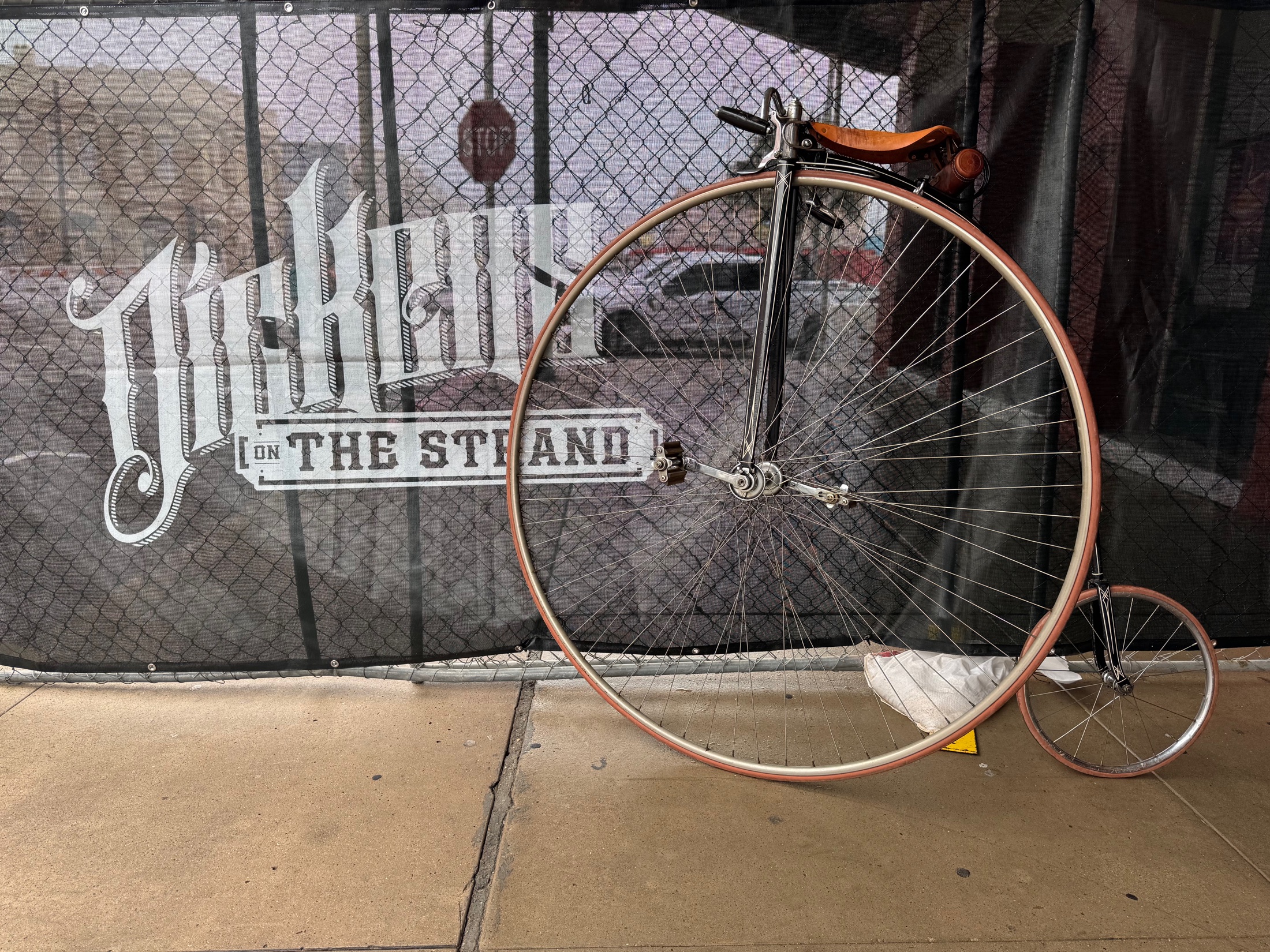
The Strand is a Victorian era arcade meets Texas beach town. Tons of fun spots to pop in, sometimes I'll bring a bike
Kolaches and the donut-shop breakfast
A kolache is the Houston breakfast to try, even if you are in town for one morning. Houstonians call the sausage-and-cheese version a kolache, even though the Czech-Texan technical answer is closer to klobasnek. The distinction matters historically, but it does not change the breakfast order. Order the sausage and cheese, ideally from a local donut shop.
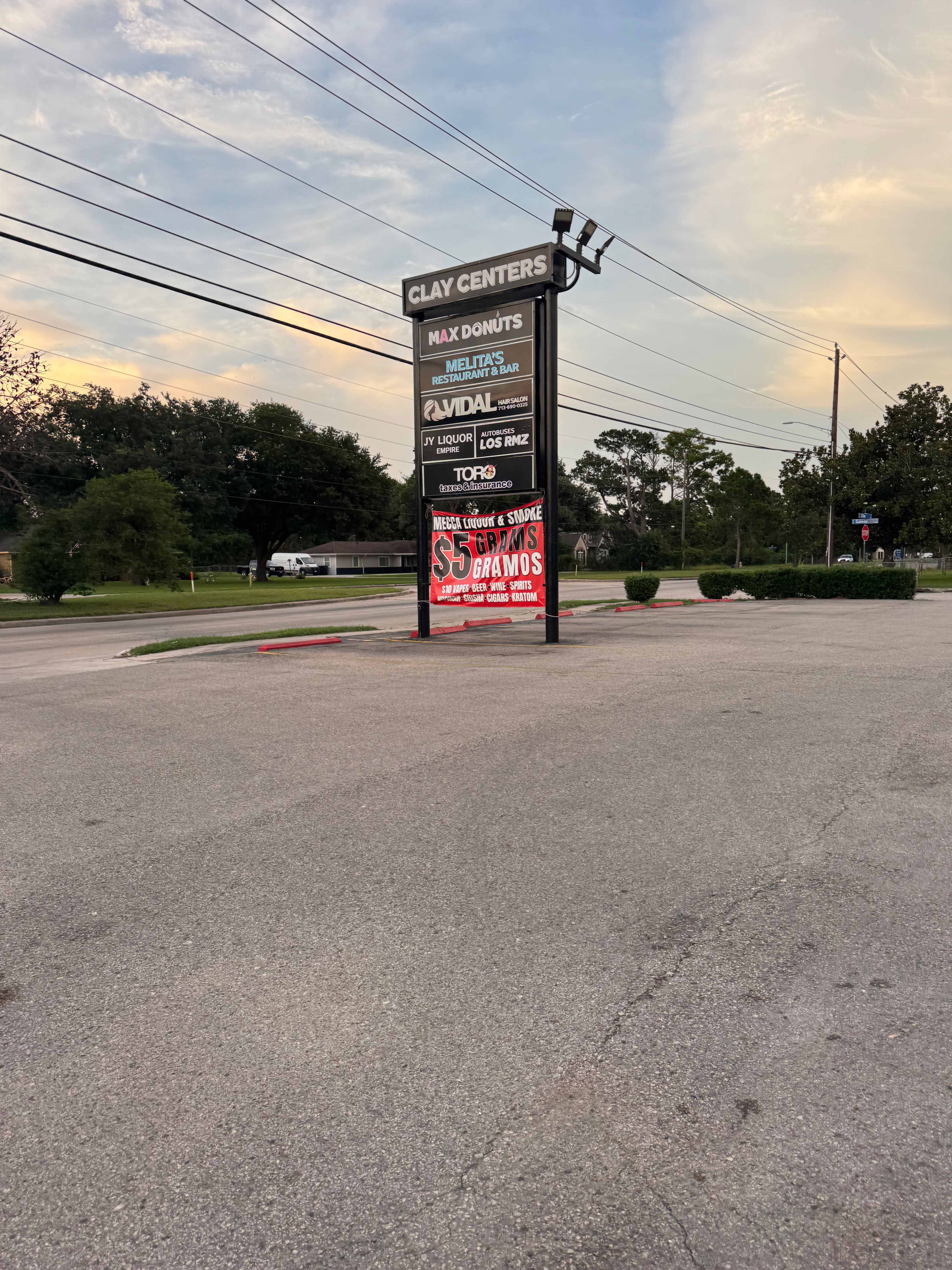
Max Donuts on Clay is my favorite. The city is enormous, so don't cross Houston just for one pastry if there is a good local shop nearby.. Kolache Factory is useful and consistent, but it is a chain rather than the little-shop version. The best version is usually the low-key donut shop with a warm case and someone who has been making them since before the neighborhood got expensive.
Max Donuts is the kind of Houston breakfast I mean: a normal strip-center shop, close to where you already are, doing the kolache-and-donut job without turning breakfast into a cross-town errand.
There is a real immigration story under that breakfast. A lot of Texas donut shops were family businesses built by Cambodian refugees and later Cambodian-American families. The format worked because the shops were small, early-opening, cash-flow businesses where a family could work together. Houston adds the Czech-Texan kolache thread to that donut-shop economy, which is how a gas-station breakfast became one of the city's tiny food signatures.
Vietnamese food, crawfish, and Houston chains
I almost always eat Vietnamese in Houston. The city has one of the best Vietnamese food scenes in the country, and the Viet-Cajun crawfish story is specifically Houston. Crawfish & Noodles is the well-known version for a reason. It is famous now, but it still belongs in the guide.
For everyday Vietnamese, Pho Saigon is the citywide dependable option. I would not call it the best bowl in Houston, but it is consistent, fair, and easy to find. Phở Lúc Lắc on Kempwood is my favorite local Spring Branch pick. Roostar is more Americanized than old-school, but I like the seasoning and the sandwiches are easy to recommend.
Houston's food strength goes beyond destination restaurants. A random strip-center lunch can be better than the famous restaurant in a tidier city.
Barbecue, Tex-Mex, and downtown drinks
For barbecue, I am partial to Pinkerton's Barbecue. Houston has plenty of strong barbecue now, and the famous names can come with serious lines. If the line is the cost of eating there, takeaway is often the smarter order.
For Tex-Mex, I like Cyclone Anaya's partly because of the margaritas. This is personal taste. Plenty of people will argue for the Original Ninfa's or Pappasito's, and they are not wrong for wanting the more Houston-institution version. If you have never had Torchy's, it is a chain, but it is still a useful fast-casual taco stop around Rice Village.
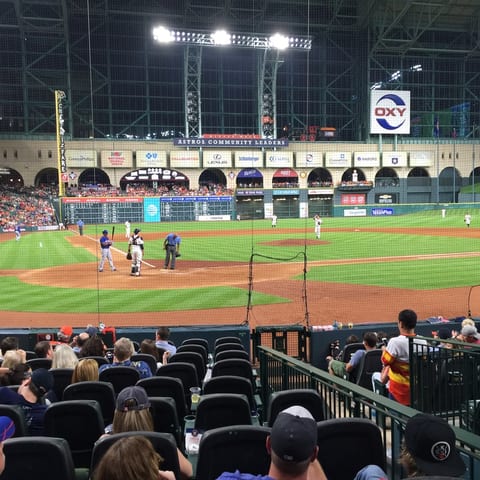
Downtown, Flying Saucer is a good beer stop when you want something easy after a conference day. It sits in the older downtown fabric and feels less generic than most hotel-bar options.
Where to stay
The hotel answer is not "downtown" unless downtown is why you are there.
Area
Good for
Notes
Downtown
Conventions, ballgames, short work trips
Marriott Marquis is the fun downtown splurge because of the Texas-shaped lazy river pool
Museum District / Medical Center
Rice, UH, museums, hospitals, NRG
Hotel ZaZa is the nicer Rice / museum pick. The InterContinental in the Medical Center is useful for light rail and event access
Montrose
Food, bars, museums, a less corporate base
My favorite area for random hanging out, especially when the trip is not locked to one office park
The Woodlands
Meetings north of Houston
This works when the work is here. The commute from downtown can be miserable
Clear Lake / Seabrook
Space Center, Kemah, the bay
Makes sense when the NASA or water day is the trip
Galveston
Beach and Strand weekend
This is the coast, not a Houston base
I would not pick a stadium-area hotel just because it looks convenient on a map. If the event is the whole reason for the trip, fine. Otherwise, base in the Medical Center, Museum District, Montrose, or downtown and use a car at night.
Museum District, Rice, and the easy afternoon
If you are in town for a conference and have an afternoon, this is the Houston loop I would build. Take the light rail to the Museum District. See the impressionist galleries at MFAH, or go to the Menil if you want the free, quieter version. If the weather is kind, the Menil lawn is a picnic spot. With kids, the Children's Museum is one of the better choices in the city.
Glenwood Cemetery is the unusual walk. Howard Hughes is buried there, and the cemetery gives you old Houston in a city that often hides its age behind freeways and new development.
Rice is a good campus walk if you do not mind stretching the loop. James Turrell's "Twilight Epiphany" Skyspace is the reason to time it. The campus also has a piece of the Berlin Wall and Rice Stadium, and the neighborhood lets you finish in Rice Village for dinner. Barnaby's Cafe is an easy local meal. Local Foods is a good Rice Village lunch. Cyclone Anaya's is the sit-down Tex-Mex choice when I want the margarita.
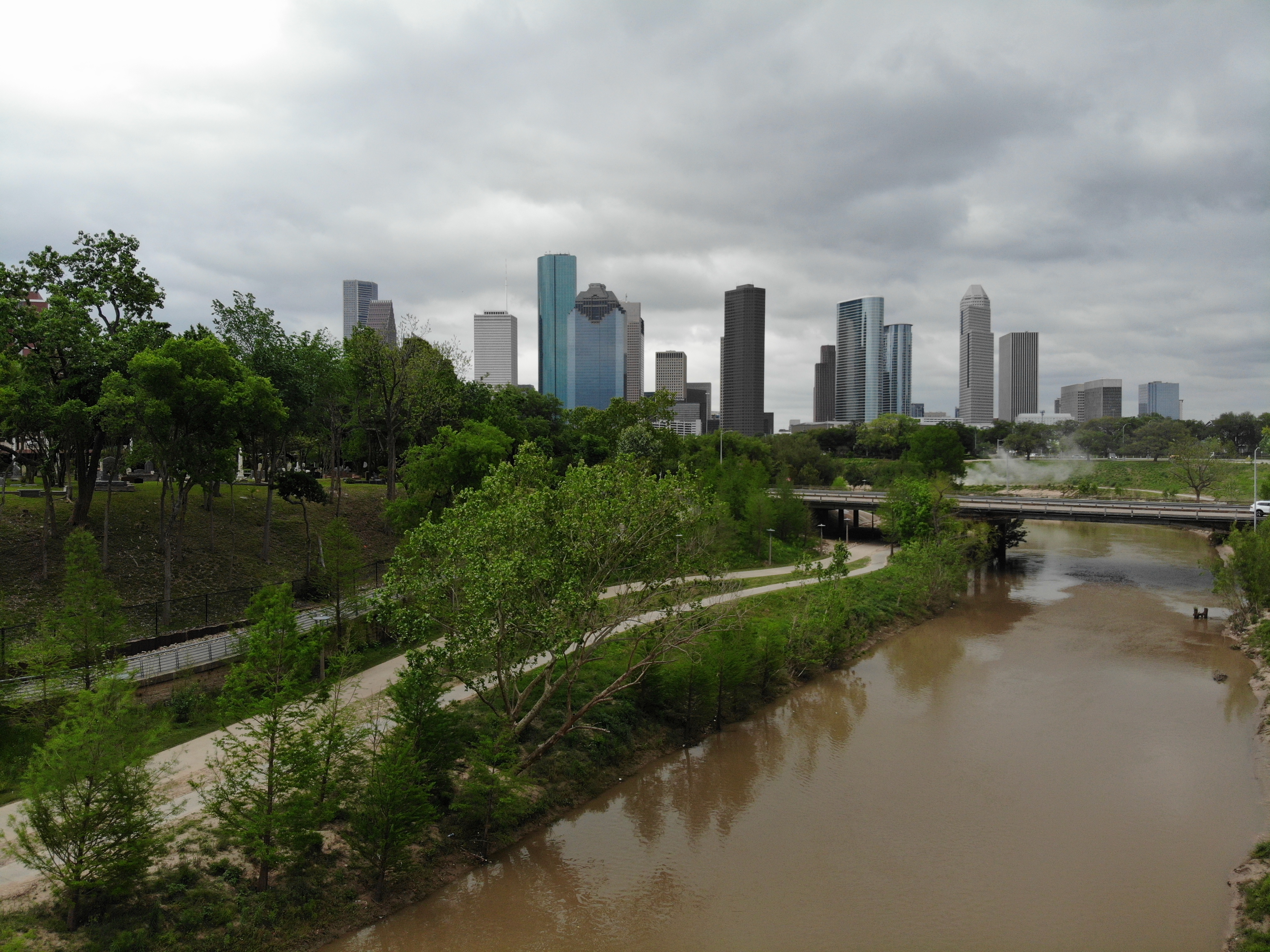
Buffalo Bayou Park is the outdoor option closer to downtown. It is the best quick reset after a day indoors.
Buffalo Bayou is the practical reset because it gives you Houston's scale in one frame: downtown towers, muddy water, trails, freeway edges, and actual green space close enough to use between indoor obligations.
Festivals and big annual events
Houston's calendar runs on the Rodeo, NRG events, sports, and trade shows. The practical dates are the ones that change hotel prices and traffic.
Event
When
What it changes
Houston Livestock Show and Rodeo
Late February to mid-March
The city's biggest annual event. NRG fills, hotel demand rises, and the nightly concerts turn it into a real trip anchor
Offshore Technology Conference
Early May
The oil-and-gas work week that spikes hotel prices. If you are not attending, check dates before booking
Houston Marathon
Mid-January
Road closures through Memorial, Montrose, and downtown on race morning
Bayou City Art Festival
March and October
A good cultural weekend, with a smaller hotel impact than the Rodeo
Houston Pride Celebration
Late June
Montrose becomes the center of the weekend
Astros postseason
October when they make it
Downtown hotel pressure on home-game nights
Texas Renaissance Festival
October to late November
Not in Houston, but big enough to affect northwest-Houston weekends
The Rodeo is the most Houston version of Houston. OTC is the one to avoid unless it is why you are coming.
Quick answers
Where should I stay in Houston?
The base should match the reason for the trip. Downtown works for a convention, the Medical Center works for Rice, UH, museums, hospitals, and NRG events, the Woodlands works for meetings up north, and the water only works when the bay or Galveston is the plan.
Should I make time for Space Center Houston?
Yes, especially if you have a half-day and a car. Pair it with Pier 8 Seafood for lunch. Kemah Boardwalk is nearby and fun enough, but it is a more corporate experience.
What should I eat in Houston?
Start with a sausage-and-cheese kolache from a neighborhood donut shop, then prioritize Vietnamese or Viet-Cajun, barbecue, and Tex-Mex according to where you are staying. Houston food is the easiest way to make use of gaps around work or sightseeing.
Can I use public transit in Houston?
Sometimes, but do not plan the trip around it. METRORail works when both ends are on the central rail spine: Downtown, Museum District, Rice, the Medical Center, NRG, UH, TSU, and EaDo. It does not go to either airport, Space Center, Galveston, the Galleria, the Woodlands, or most restaurant neighborhoods.


 +4
+4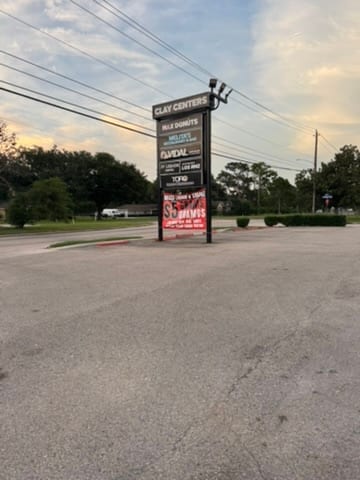
 +2
+2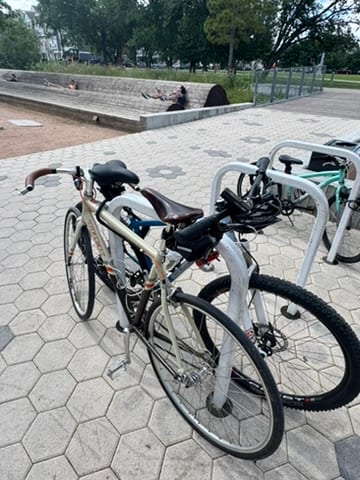
 +1
+1 +2
+2 +2
+2 +4
+4 +2
+2 +1
+1 +2
+2
 +1
+1 +1
+1 +3
+3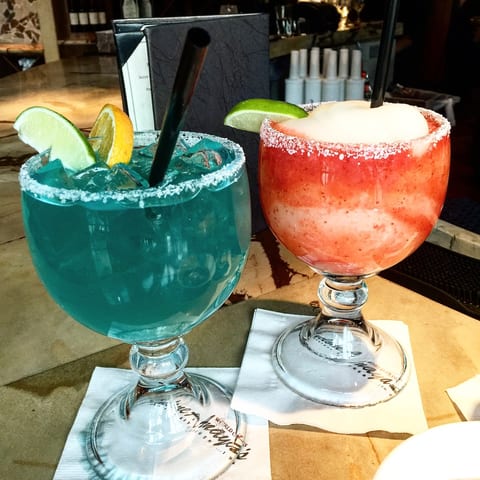
 +23
+23