Kuala Lumpur has good rail transit, inexpensive Grab rides, and some of the best hotel value I have found in a major Southeast Asian capital. The city is spread out and often too hot to walk long distances in the middle of the day. I use rail for station-to-station trips and Grab for everything else.
Getting in from KLIA
Kuala Lumpur International Airport (KUL) is about 50 km from the center. These are the main ways into town.
| Option |
Cost |
Time |
Notes |
| KLIA Ekspres train |
RM55 one way |
28 min from Terminal 1 to KL Sentral |
Fixed travel time. The operator currently discounts online tickets by 10 percent |
| Grab / taxi |
Varies by demand and destination |
60 to 90 min in normal traffic |
Door-to-door and easier with several bags. The trip can take longer during rush hour |
| Airport bus |
Varies by operator |
Usually 75 to 90 min |
Less expensive, but it uses the same roads and is also delayed by traffic |
From KL Sentral, Rapid KL rail gets you to most central neighborhoods. Bangsar is one stop south on the Kelana Jaya LRT line. KLCC and Bukit Bintang are short rides east.
Festivals and big annual events
KL's calendar follows Malaysia's Muslim, Chinese, Indian, and civic holidays. Thaipusam at Batu Caves is the one to check first.
| Event |
When |
What it changes |
| Thaipusam |
Late January or early February |
Overnight procession to Batu Caves, huge crowds, and a very different Batu Caves visit |
| Chinese New Year |
Late January or February |
Public holidays, Chinatown decorations, and small-business closures |
| Hari Raya Aidilfitri |
End of Ramadan |
Ramadan bazaars before the holiday, then a quiet city as locals travel home |
| Deepavali |
October or November |
Brickfields fills with lights, sweets, and food stalls. National holiday |
| National Day |
August 31 |
Parades and fireworks around Merdeka Square |
| George Town Festival |
August, on Penang |
Not in KL, but a useful reason to extend north if the dates match |
Where to stay
High-end hotels in Kuala Lumpur often cost much less than comparable properties in Singapore, Hong Kong, or Tokyo.
| Area | Hotel | My experience |
|---|---|---|---|
| Bangsar | Alila Bangsar Kuala Lumpur | A smaller hotel in a high-rise directly connected to Bangsar LRT station. The rooms and pool are on upper floors, and the neighborhood has many restaurants within a short ride. This is where I would stay again |
| KLCC | Hyatt Centric City Center Kuala Lumpur | Many rooms have a Petronas Towers view, and the hotel is walking distance from KLCC Park and Suria KLCC. Rooftop prices are high, and some rooms separate the toilet from the rest of the bathroom |
| Bukit Bintang | Various 4-star and 5-star hotels | Convenient for Jalan Alor, nightlife, and bars. Expect more street noise than in Bangsar |
Hotels I would skip
Getting around
The LRT (Kelana Jaya, Ampang, and Sri Petaling lines), the MRT (Kajang and Putrajaya lines), and the monorail cover much of central Kuala Lumpur. Visitors can buy a single-journey token from a station machine or use a Touch 'n Go stored-value card. Do not assume a foreign bank card will open the rail gates.
I take rail when both ends are close to stations. I use Grab when a short distance on the map includes an awkward transfer, an uncovered walk in the heat, or luggage. The covered KLCC–Bukit Bintang pedestrian walkway is useful, but much of the city is uncomfortable to walk at midday.
How I would split two days
On the first day, stay on the east side of the center:
Start the second day at Batu Caves. After returning by KTM, continue to Central Market, Sri Mahamariamman Temple, Jamek Mosque, and Merdeka Square. Those four central stops are close enough to cover on foot.
With another half day, visit the Bird Park and surrounding Perdana Botanical Garden. Sentul Depot, a former railway workshop used for events, food, and retail, is a separate trip north of the center.
Batu Caves
Batu Caves is the main Hindu pilgrimage site north of KL: the 43 m Murugan statue at the base, the 272 rainbow-painted steps, and the limestone caves at the top. Macaques live everywhere. Do not bring food.
| Option |
Cost |
Time |
Notes |
| KTM Komuter train |
Under RM5 |
About 30 min from KL Sentral |
Batu Caves is the terminal station. Check the current KTM timetable because service is not metro-frequency |
| Grab |
Varies by demand |
25 to 40 min |
Door-to-door and often reasonable for two or more people. Traffic can substantially extend the trip |
I would arrive before 10 a.m. because the stairs become much hotter later in the day. Cover knees and shoulders and wear shoes suitable for the climb. The main Temple Cave is free. Macaques live around the stairs, so keep food out of sight and do not approach them. The Dark Cave guided tour has been closed since 2019. Allow about two hours.
Where to eat
Food is a major part of why I return to Kuala Lumpur.
| Spot |
Best for |
Notes |
| Atmosphere 360 Restaurant |
The revolving KL Tower dinner |
Tourist-priced, with the city view included in the experience |
| La Juiceria Superfoods Signature, Nadi Bangsar |
Health-coded breakfast or lunch in Bangsar |
Above the Bangsar metro |
| Kappo Takebayashi |
Premium Japanese in Pavilion KL |
One of the better high-end Japanese kitchens in KL |
| Jalan Alor |
Street-food strip in Bukit Bintang |
Crowded, busy, fun. Pick by queue. Lok-lok skewers are the easy starter |
| Sentul Depot |
Warehouse-district food and bars |
A 30-min Grab from KLCC, and the food and bar mix carries the trip |
| Bukit Bintang Street Art Alleys |
Photo walks between bites |
Short side-alley circuit, fun midway through a meal crawl |
Common scams to know going in
Kuala Lumpur is straightforward to navigate. These are the situations where I would be more careful:
- A taxi that will not use the meter. Use Grab or the official airport taxi counter instead of negotiating an unmetered fare at the curb.
- The "friend" who walks you to a bar. Someone friendly strikes up a conversation in Bukit Bintang and suggests a "great local club" or "karaoke bar nearby." The bill at the end is unreasonable and the bouncers make sure you pay. This is the same playbook as Bangkok and Prague. If a stranger insists on a specific venue, go somewhere else.
- Unrequested henna or friendship bracelets near major sights. Decline before anyone puts something on your hand or wrist, then walk away.
- Money changer shortchange on Bukit Bintang. Several small kiosks on Bukit Bintang advertise rates better than the bank and short-change on the count. Use a bank ATM (Maybank, CIMB, Public Bank) or a chain currency-changer with a fixed posted board.
I use normal city precautions on the rail system and in the main visitor areas. Bukit Bintang remains busy late, but I would ignore bar touts and keep a phone out of sight when I am not using it.
What to skip
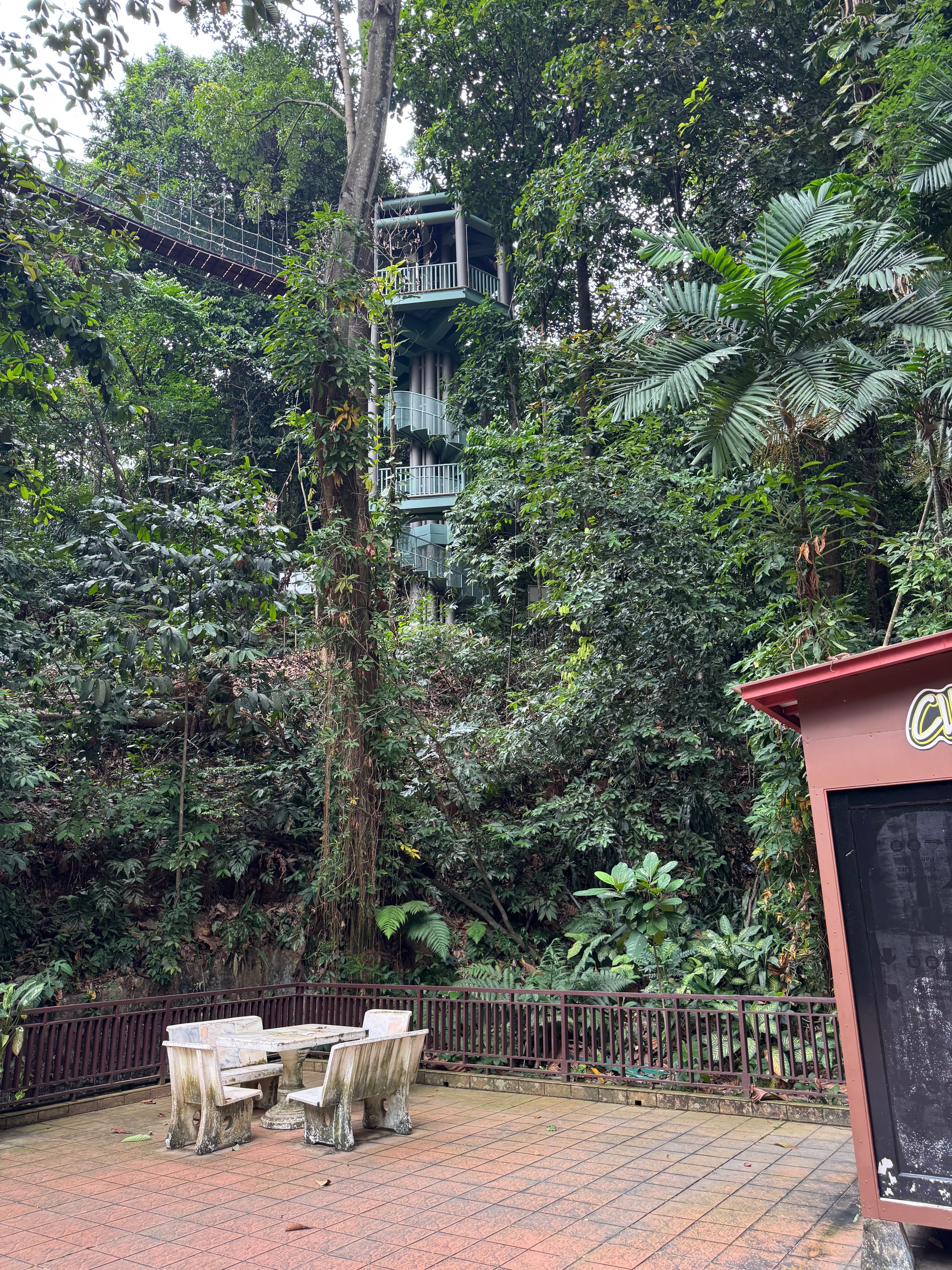
I would not spend most of a day traveling from Kuala Lumpur for a staged "Sky Mirror" photograph. "Floating market" tours also make more sense in Thailand than as a KL excursion. Pudu Prison Gate is the remaining entrance of the former prison, but I would only stop if I were already nearby. I would spend about an hour at the KL Forest Eco Park when combining it with KL Tower.
The KL Bird Park, Butterfly Park, and National Textile Museum are good additions beyond the two-day plan. The National Museum of Malaysia is beside KL Sentral and can fit into a long wait between trains.
 +5
+5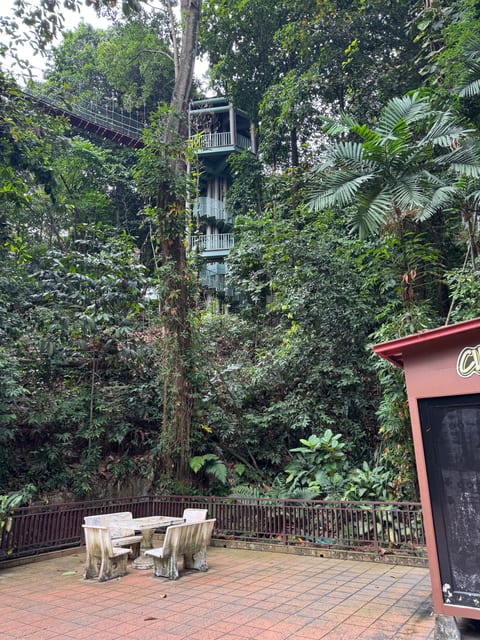
 +3
+3 +2
+2 +4
+4 +1
+1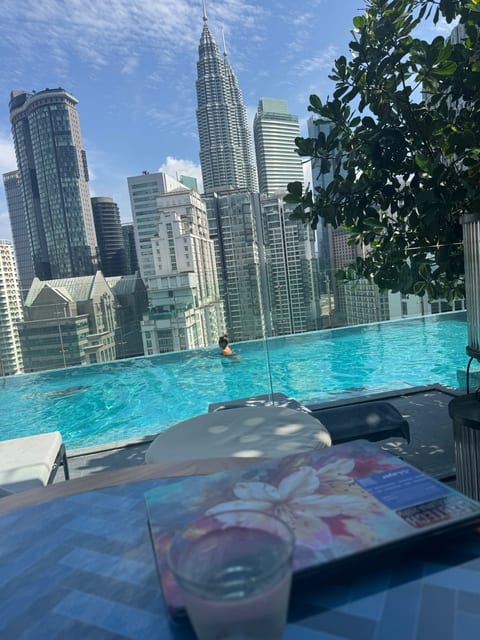 +1
+1 +1
+1 +10
+10 +5
+5 +1
+1 +1
+1 +1
+1 +1
+1