Photos from Panama City
 +2
+2Tocumen International Airporttransit
 +1
+1Isaki Casco Rooftoprestaurant
+2+1Current conditions and the practical reference material that helps turn the saved places into a trip.
7-day forecast from Open-Meteo. UV badges flag days when sun protection matters (3 and above is moderate; 8 and above is risk territory for unprotected fair skin within 30 minutes).
About 86% of the year's rain falls in these months. Typical highs around 29°C, lows around 26°C.
About 53mm of rain a month, against 239mm in the wet season.
Public holidays from Nager.Date.
Panama City, also known as Panama, is the capital and largest city of the Republic of Panama. It has a total population of 410,354 in the city proper and 1,086,990 in the Panama District, which includes the outer corregimientos of the city. The metropolitan area has over 2,100,000 people. The city is at the Pacific entrance of the Panama Canal, in the province of Panama. The city is the political and administrative center of the country, as well as a hub for banking and commerce.
The links below support the changing or licensed reference material on this page. Personal notes and ordinary geographic facts are not footnoted individually.
Monthly highs, lows, rainfall — long-term averages, NASA POWER.
Maps, image licenses, and the full dataset registry are listed in site credits.
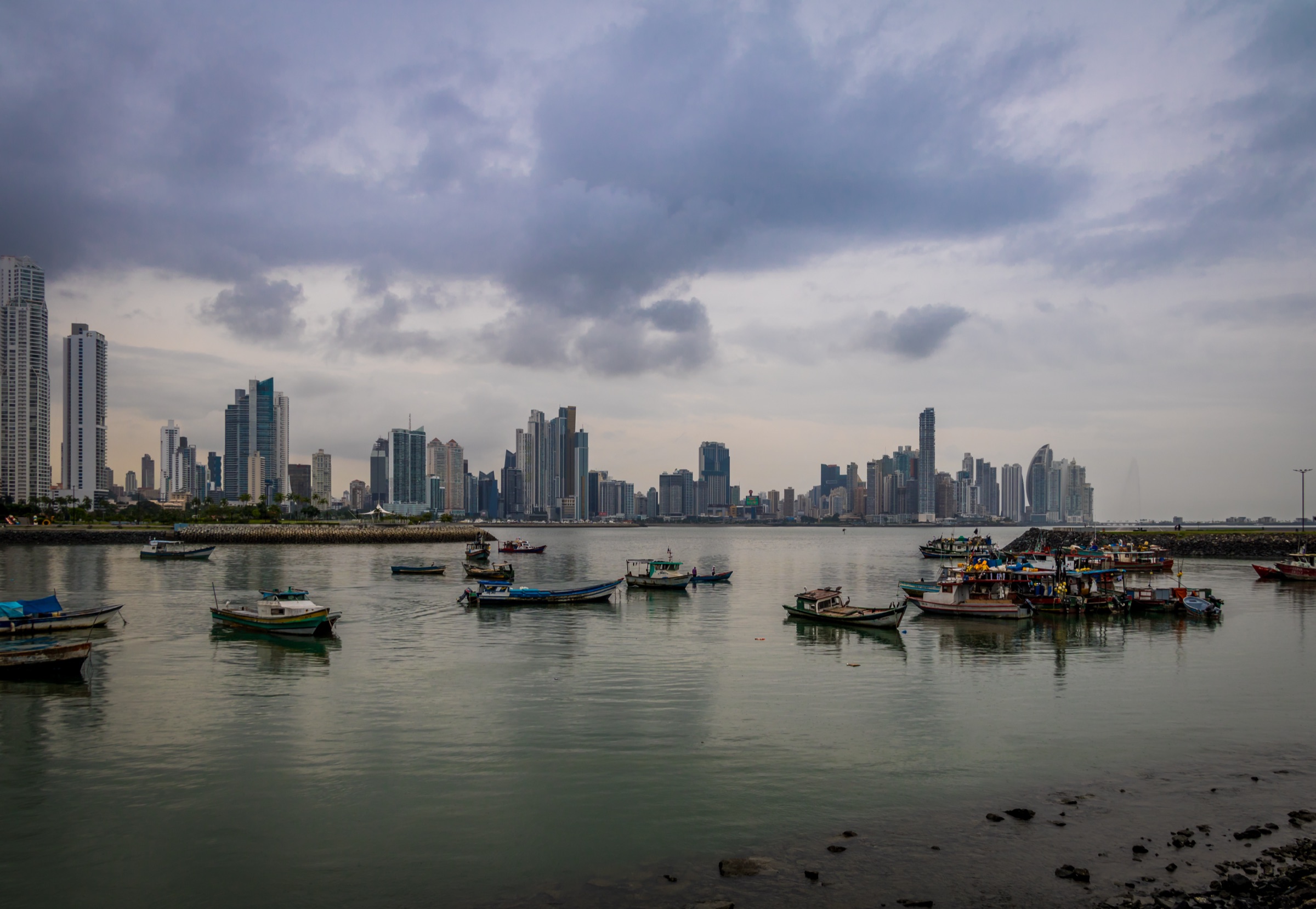
My Panama City travel guide. Getting in from Tocumen, where to stay near Casco Viejo, the Canal, and the modern Central-American restaurant scene.
Ciudad de Panamá
Panama City does not feel like the rest of Central America: a Punta Pacífica skyline beside the colonial Casco Viejo, the Canal on the doorstep, and an airport that makes it a clean stopover. The Canal locks and Bocas del Toro require separate routes beyond the central city.
Panama City Tocumen International (PTY) sits about 25 km east of the city. Rideshare is the practical default with the dedicated airport taxi as the alternative.
| Mode | Time | Cost | When to use |
|---|---|---|---|
| Uber / inDrive | 30 to 60 min | $15 to $25 to Casco Viejo or Bella Vista | The default. Uber pickup is at a marked lot a short walk from arrivals. InDrive is the local cheaper alternative |
| Airport taxi | 30 to 60 min | $30 to $40 fixed-zone fare | Use the marked yellow taxis at the curb. The fare is set by zone. Pay at the desk inside arrivals or agree before pulling away |
| Pre-booked transfer | 30 to 60 min | $45 to $70 | Late arrival. Driver waits with a name board |
| Metrobus Corredor Sur | 60 to 90 min | $1.25 plus the Metro card | The cheapest path. Runs from PTY to Albrook station via the Corredor Sur highway. Slow with luggage |
The Panama Metro is useful once you are in the city, especially around Albrook and the denser north-south corridors. It is not the airport default for most visitors with bags.
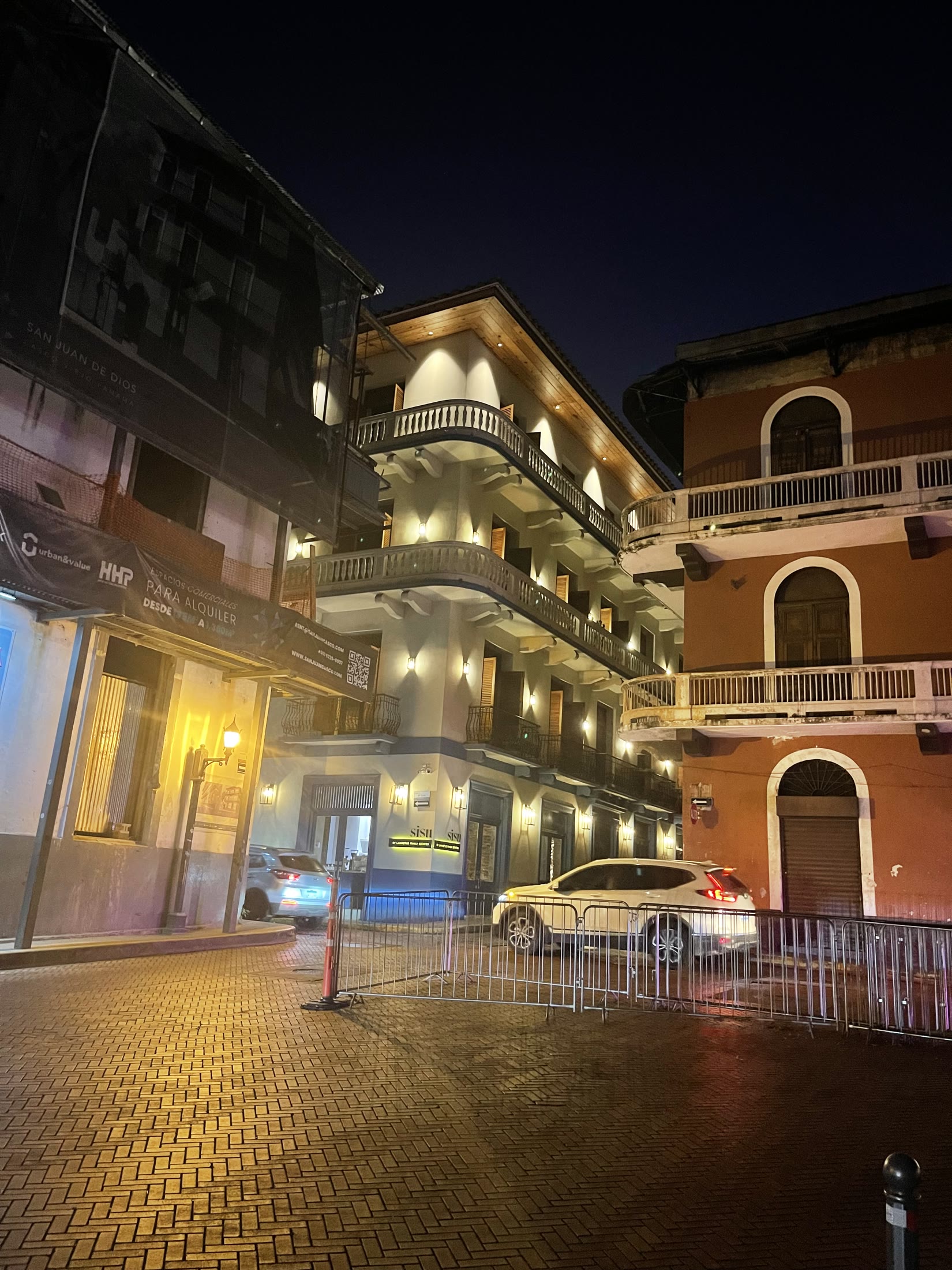
Panama City is easiest when you stop treating it as one neighborhood. Casco Viejo is for the old-town walk, rooftops, and dinner. The bay, Bella Vista, or Punta Paitilla side works as the practical hotel and rideshare base. Treat the Canal as a separate half-day rather than something you squeeze between meals.
Casco Viejo, the Canal, the bay, and the Amador Causeway sit on separate routes. Group them geographically rather than turning the stopover into an airport sprint.
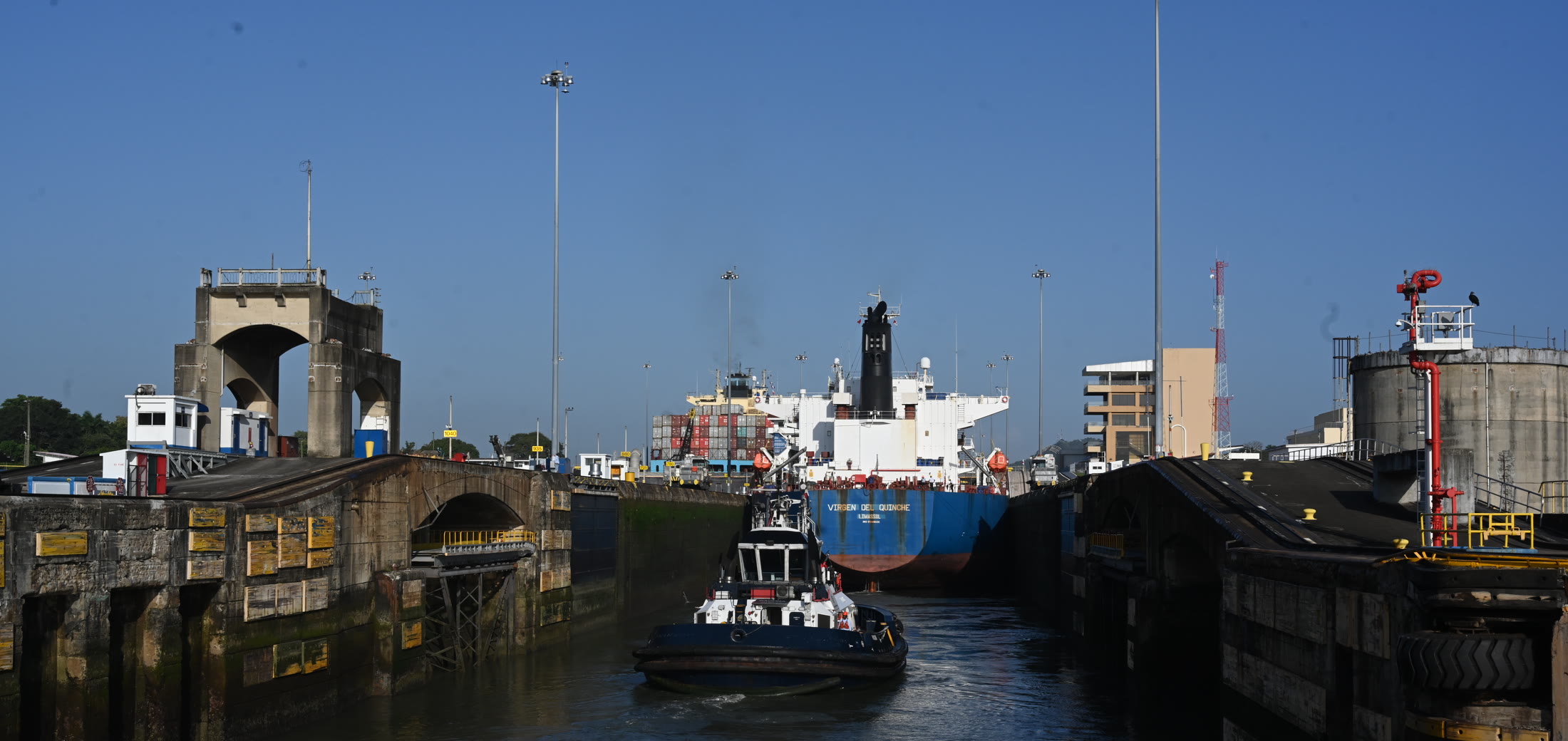
If the Canal is on your bucket list, I would do the half-day partial transit once and keep expectations sober. I was glad I went because it felt like I actually crossed the thing off, but the subject matter is more interesting than gripping once you are on the boat.
I used Panama Marine Adventures' partial transit. The shape was: a very early hotel pickup, Flamenco Marina, the M/V Pacific Queen through the Pacific-side locks, disembark in Gamboa, then a bus back to the city. The operator was organized and the bilingual guide did the job. The weaker part is just that a lock transit is slow by design.
| Choice | My take |
|---|---|
| Half-day partial transit | The one I would pick if you want the boat experience. It is long enough to feel the scale without giving the whole day to it |
| Full transit | I would skip unless canal engineering fascinates you. My guess is it gets boring fast |
| Miraflores Visitor Center | What I would probably do next time: cheaper, easier, and still gives you the first-lock and museum version without the long boat day |
The mood is very Panama City: priced in USD, more expensive than it feels like it should be, logistically easy, and not especially enthralling. That sounds harsher than I mean it. Do it once if the Canal has been sitting in the back of your travel brain, but I would not build the whole trip around it.
Panama's main calendar checks are Carnival, Holy Week, and the November independence holidays.
| Event | When | What it changes |
|---|---|---|
| Carnival | Before Ash Wednesday | Las Tablas is the bigger national version. Panama City has Cinta Costera parades and higher hotel prices |
| Independence holidays | November | Parades, civic ceremonies, government closures, and several national holidays |
| Festival de la Mejorana | Late September | Folk-music festival in Guararé, useful with a rental car |
| Holy Week | Week before Easter | Business closures and heavy beach travel |
| Día de los Muertos | November 2 | Cemetery visits and a quieter national holiday |
| Panama Jazz Festival | Mid-January | Jazz across Casco Viejo venues |
| IFF Panamá | Mid-April | Film festival at Casco Viejo venues |
| Christmas and New Year | December 24 to January 6 | Peak hotel prices and Cinta Costera fireworks |
| Diablos Limpios | Variable | Afro-Panamanian devil-mask festival on the Atlantic coast |
| Property | Why | Notes |
|---|---|---|
| InterContinental Miramar Panama | Central base between Casco Viejo and shopping | Average for an IC, the staff actually try. Convenient for moving between Casco Viejo and the financial district without committing to either |
Panama City food is the Central American Pacific side: ceviche, sancocho (the chicken-and-yuca stew), patacones (twice-fried plantain), plus the imported sushi and the new-wave Casco Viejo rooftop scene. The picks below mix the casual seafood with the dressed-up evening rotation.
| Spot | Why | Notes |
|---|---|---|
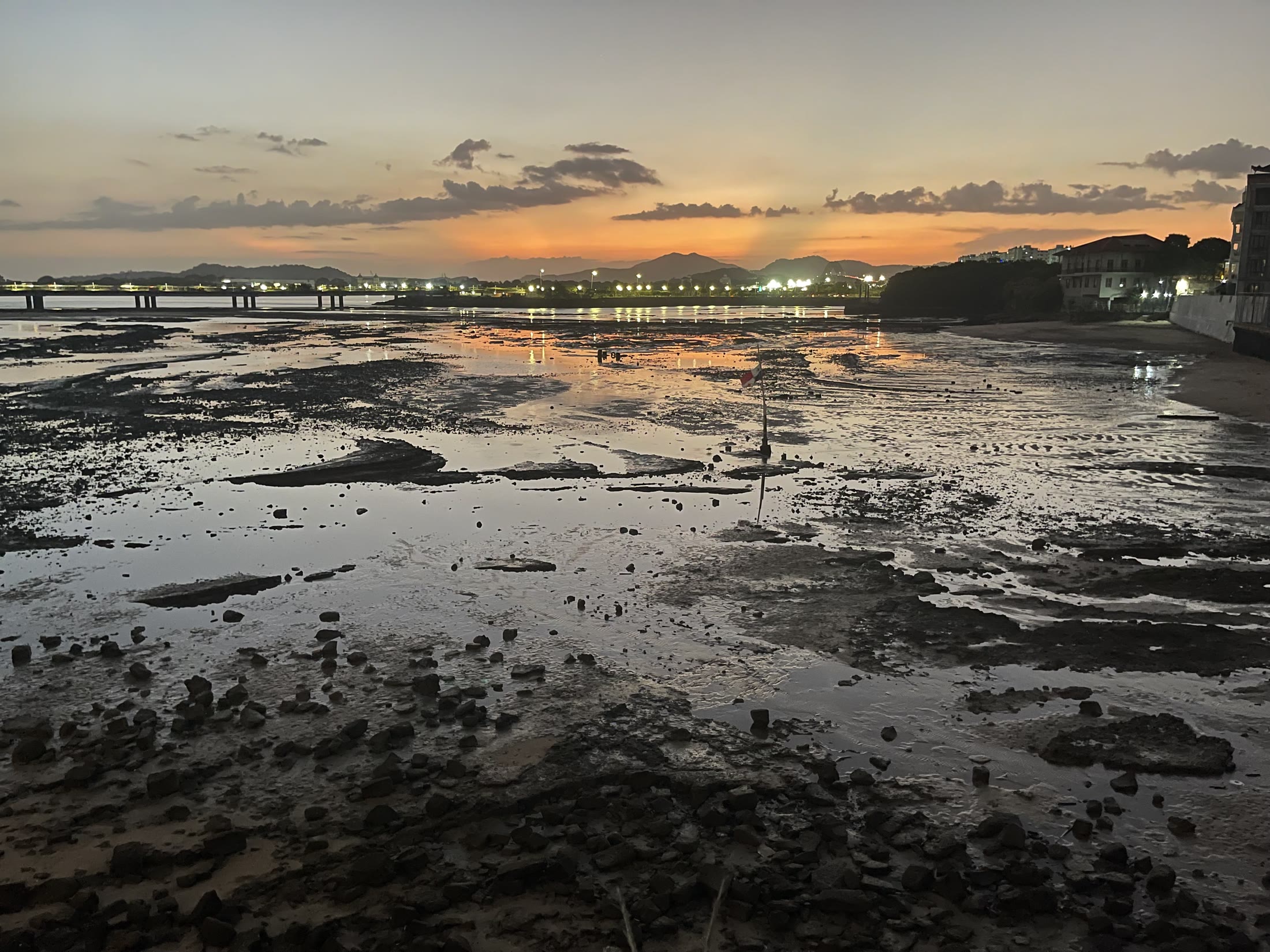
| Finca Del Mar | Sunset on the bay | Swinging chairs at the bar, water-side seats for the fiery sunset reflections off the bay. Time the visit for golden hour |
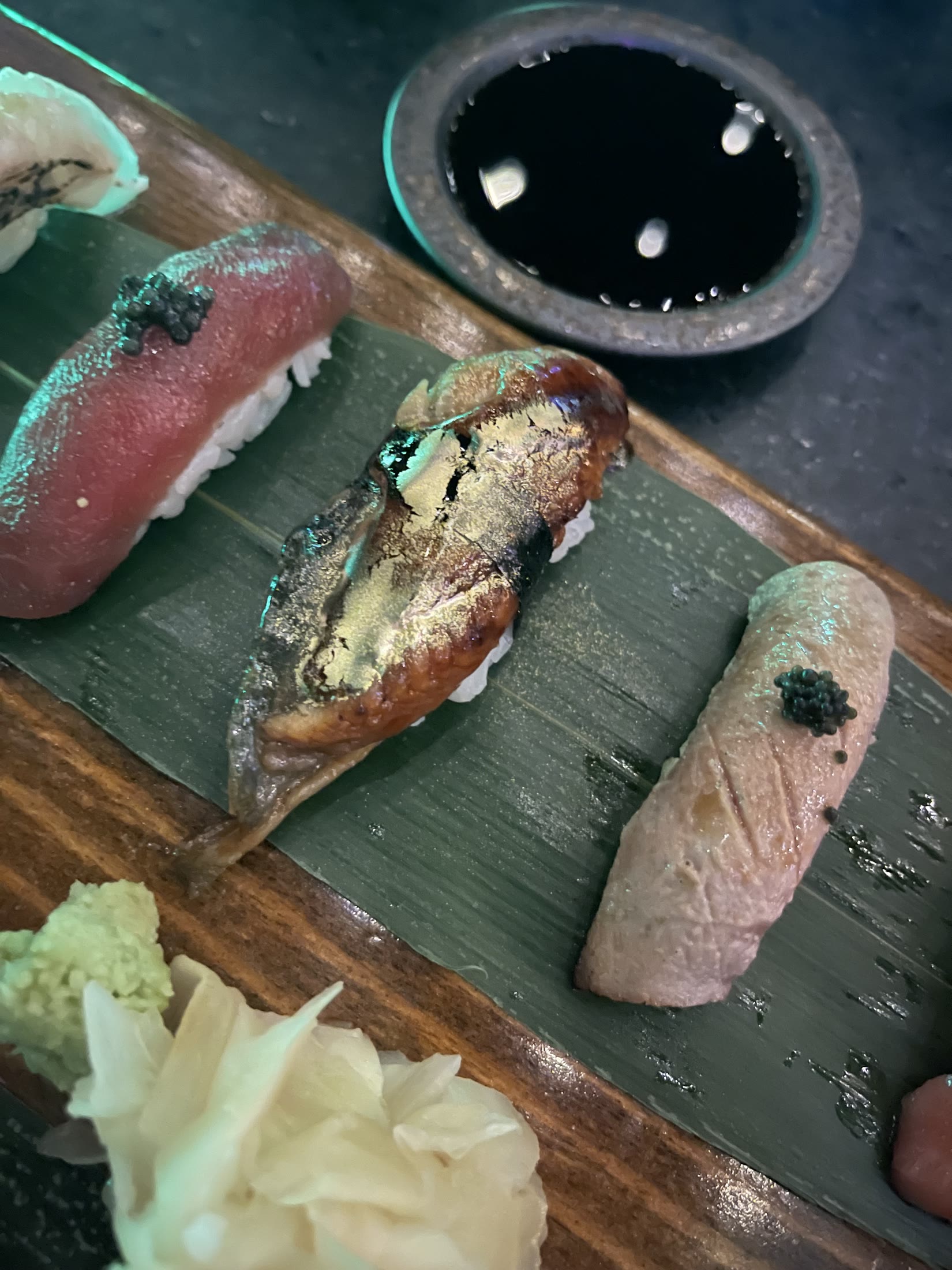
| Isaki Casco Rooftop | The best sushi I've had in Panama | The 12-piece sampler is the order. Up there with some of the better sushi I have had anywhere |
| 5inco Cocina Urbana | Modern Panamanian | Pinned |
| Al Basha | Middle Eastern | Pinned |
| Antiburger | Burgers | Pinned |
| Azahar Panama | Casual sit-down | Pinned |


