Photos from Trogir
 +1
+1Mirkecrestaurant
 +8
+8Historic City of Trogirattraction

Trogir Green Market (Tržnica)shopping
 +1
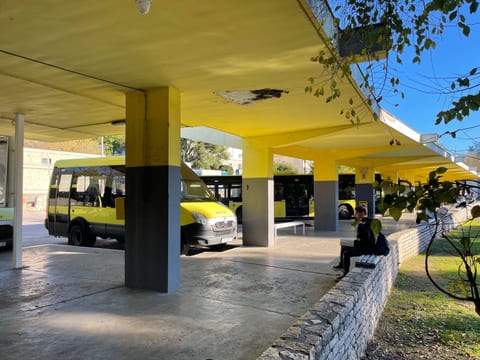
+1Trogir Bus Stationtransit
 +1
+1Kula sv. Marka (St. Mark's Tower)attraction

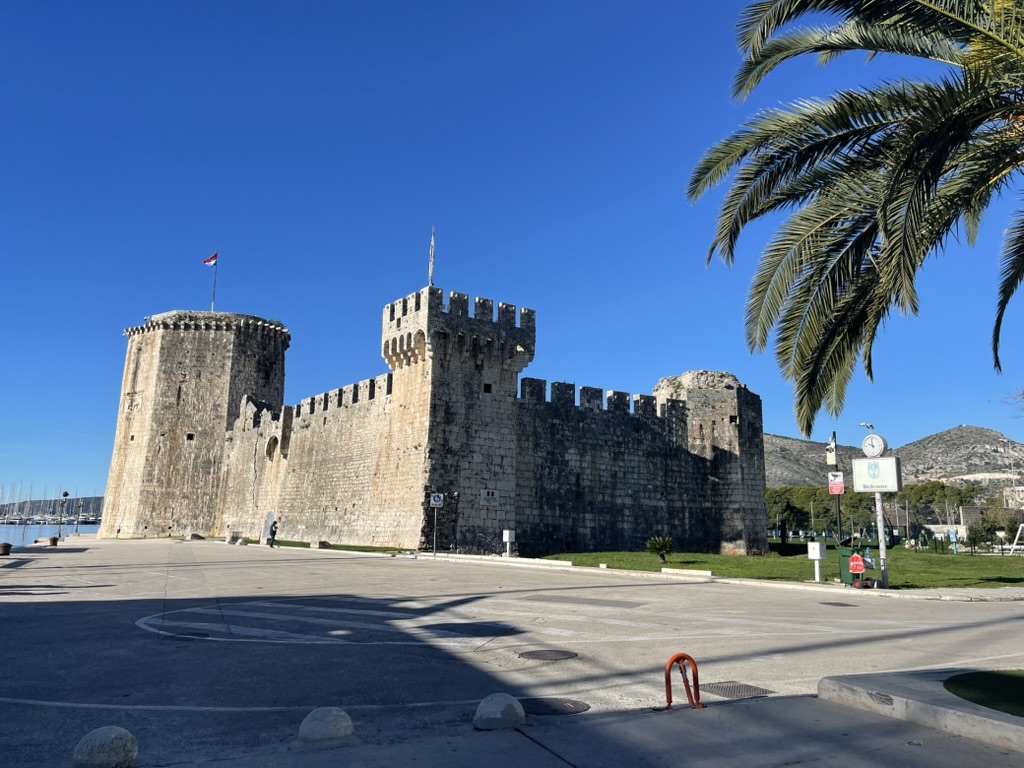
Kamerlengo Castleattraction
+1+8+1+1Current conditions and the practical reference material that helps turn the saved places into a trip.
7-day forecast from Open-Meteo. UV badges flag days when sun protection matters (3 and above is moderate; 8 and above is risk territory for unprotected fair skin within 30 minutes).
About 74% of the year's rain falls in these months. Typical highs around 14°C, lows around 9°C.
Typical highs around 24°C, lows around 17°C. About 49mm of rain a month.
Public holidays from Nager.Date.
Public-transit operators within 8 km of the city center. Click through to each operator’s site for routes, fares, and tickets.
Operators and modes are aggregated from individual transit-agency GTFS feeds. Route classifications come from each feed’s route type codes.
Trogir is a historic town and harbour on the Adriatic coast in Split-Dalmatia County, Croatia, with a population of 10,107 (2021) and a total municipal population of 12,393 (2021). The historic part of the city is situated on a small island between the Croatian mainland and the island of Čiovo. It lies 27 kilometres west of the city of Split.
The links below support the changing or licensed reference material on this page. Personal notes and ordinary geographic facts are not footnoted individually.
Monthly highs, lows, rainfall — long-term averages, NASA POWER.
Maps, image licenses, and the full dataset registry are listed in site credits.
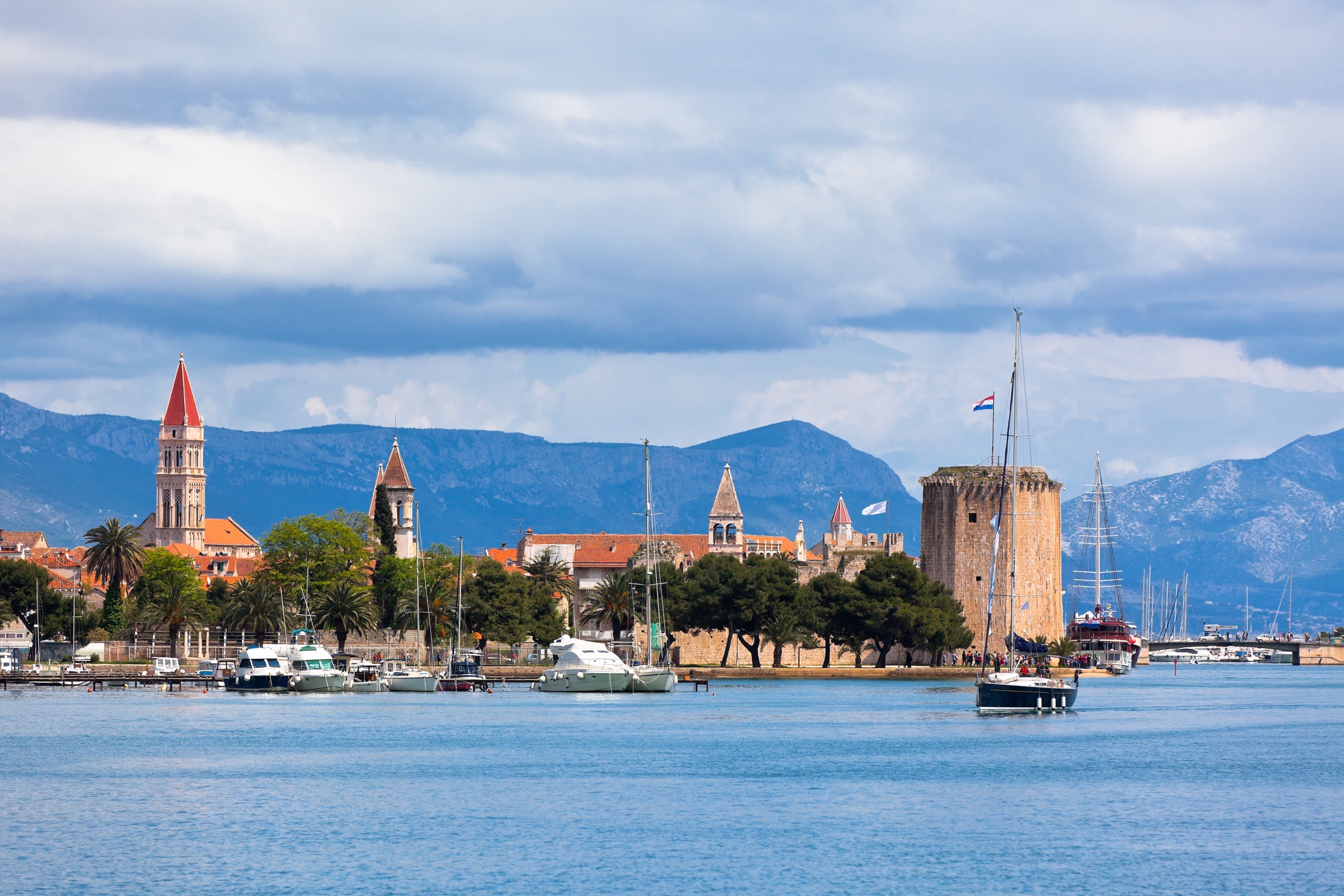
My Trogir travel guide. Split bus 37, Kamerlengo Castle, the green market, the resident cats, and lunch in the old town.
Trogir is a tiny walled old town so close to Split that you see it from the plane window flying in. Bus 37 connects the green market, old town, castle, and promenade directly with Split.
Planning brief
Trogir sits forty-five to sixty minutes up the coast from Split by city bus. Its old town occupies a small island, with the market by the bus stop and restaurants inside the walls. Local hotels are available if Trogir is the base.
The green market, cathedral, lanes, Kamerlengo Castle, and promenade connect on foot without a timed itinerary.
The local city bus that runs Split to the airport stops in Trogir. Cheap, frequent, slow because it is a local. You trade an hour for a low fare instead of thirty minutes in a taxi.
The green market on the mainland side of the bridge is smaller and less visitor-facing than Split's Pazar. Give it a short look before you cross into the old town.
The Venetian fortress at the western tip charges €7 for the wall-walk view back across the rooftops and over to Čiovo island.
Start at Trogir Green Market, cross into the UNESCO island old town, climb Kamerlengo Castle, and finish around the promenade restaurants. The compact street plan makes wandering more useful than a timed itinerary.
The local city bus to the airport, Bus 37, is what to take. Cheap, slow, frequent.

| What | Detail |
|---|---|
| Operator | Promet Split |
| Route | Sukoišanska (central Split, near the National Theater) to Solin to Kaštela to Split-Resnik airport to Trogir |
| Frequency | Roughly every 20 to 30 minutes during the day. Thinner in the evening |
| Trip time, Split to Trogir | 50 to 60 minutes (local stops the whole way through Kaštela) |
| Fare | Low single-digit euros. Tickets at kiosks at the Split terminus or pay the driver |
| Stop in Trogir | Ends at the Trogir bus station on the mainland side near the bridge into the old town, next to the green market |
Verify the current timetable with Promet Split before you go. The headways drift seasonally. Driving is an option but the parking at the bridge is its own headache, so skip the rental for this trip.
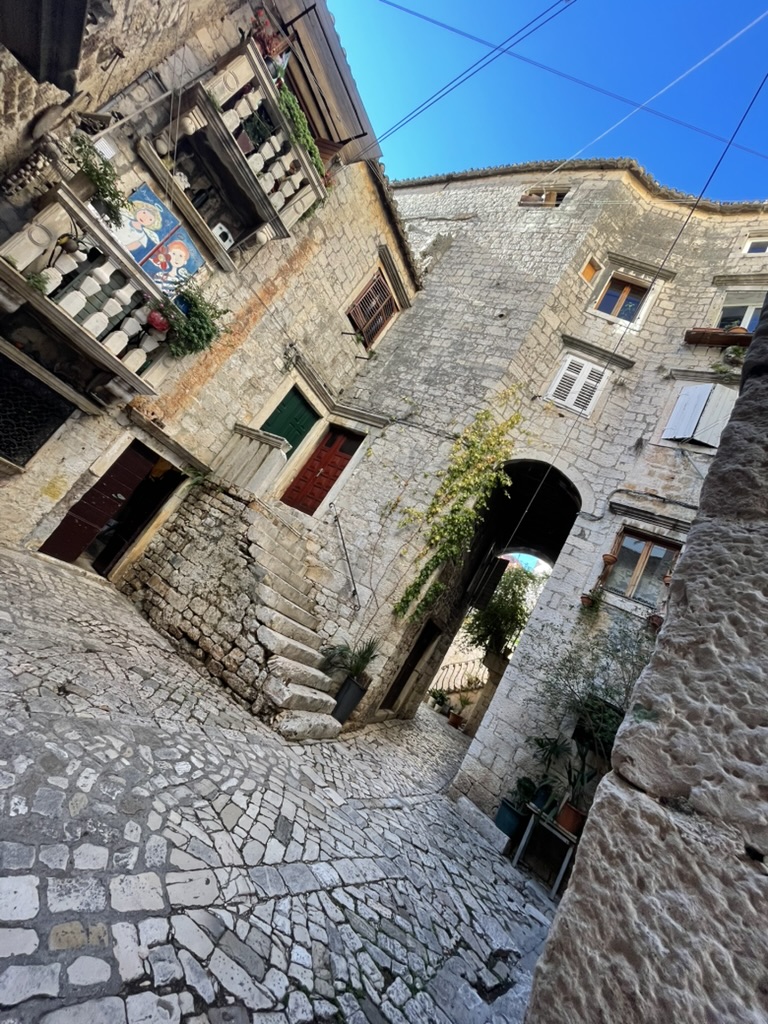
The historic city of Trogir sits on a small island in the channel between the mainland and Čiovo. The route I would follow:
| Spot | Best for |
|---|---|
| Mirkec | The promenade spot I would book first. Fair prices (€25 to €30 for a steak plate), quick service, food arrives fast |
| Konoba Trs | Konoba (small tavern) inside the old town. Traditional Dalmatian, casual |
| Vanjaka | Another inside-the-walls option, similar side to Trs |
| Konoba Fortin | If the promenade tables at Mirkec are full |
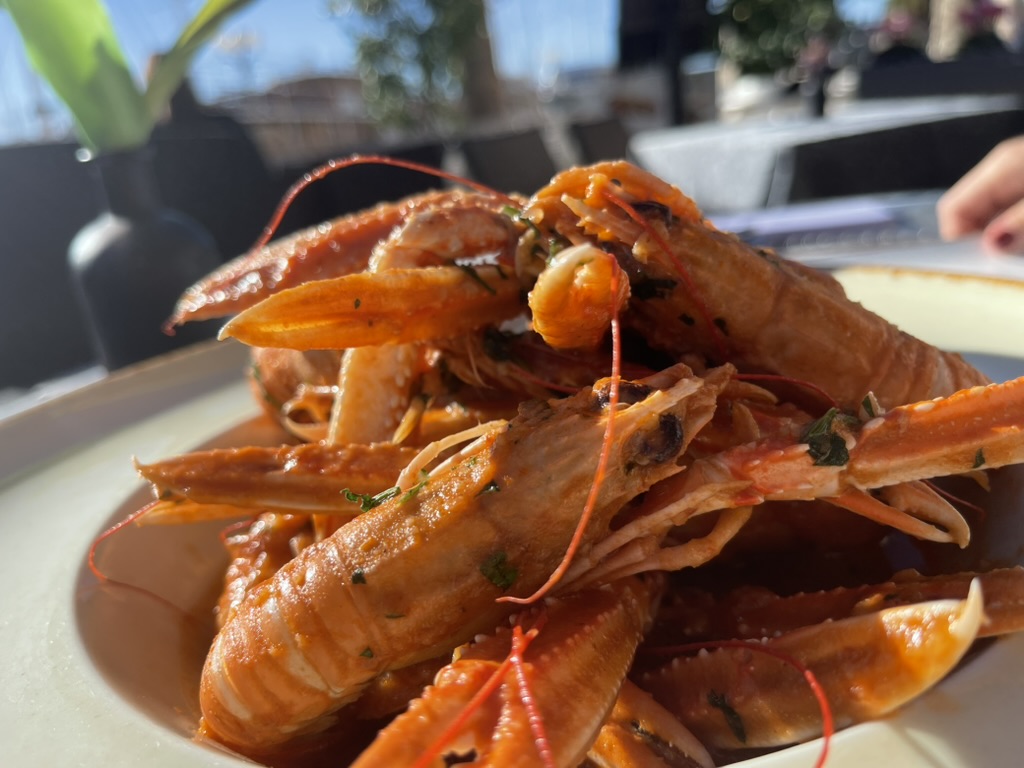
After lunch, walk back across the bridge and catch Bus 37 the other direction to Split. You will be back at the hotel by mid-afternoon.
Trogir is small enough that its festival calendar is mostly the Split overlap, but a few local events fill the old town for a weekend at a time.
| Event | When | What it changes |
|---|---|---|
| Trogir Summer (Trogirsko ljeto) | Late June to mid-September | The town's summer cultural programming: classical concerts in the cathedral, open-air theater in the Kamerlengo courtyard, traditional klapa singing in the squares. Smaller hotel pressure than Split |
| Feast of St Lawrence (Sveti Lovre) | August 10 | The patron-saint feast day. Religious procession through the old town. Quieter than the Split or Dubrovnik equivalents |
| Moreška dance and klapa nights | Most summer weekends | Free outdoor performances of the traditional Adriatic a cappella klapa singing in the old-town squares. Worth being in town for a Saturday evening in July or August |
| Ultra Europe spillover | Mid-July | When Ultra Europe runs in Split, hotels in Trogir fill with the spillover crowd. Trogir itself stays quiet, but accommodation tightens that week |
| Christmas Market (Trogir Advent) | Late November to early January | Compact and small, on the promenade. A stop if you are in the area, not the booking reason |
The festival calendar is light, which is why Trogir reads as the slower half-day stop from Split. If you want festival-heavy Dalmatian travel, base in Split and visit Trogir on a quiet morning between events.


