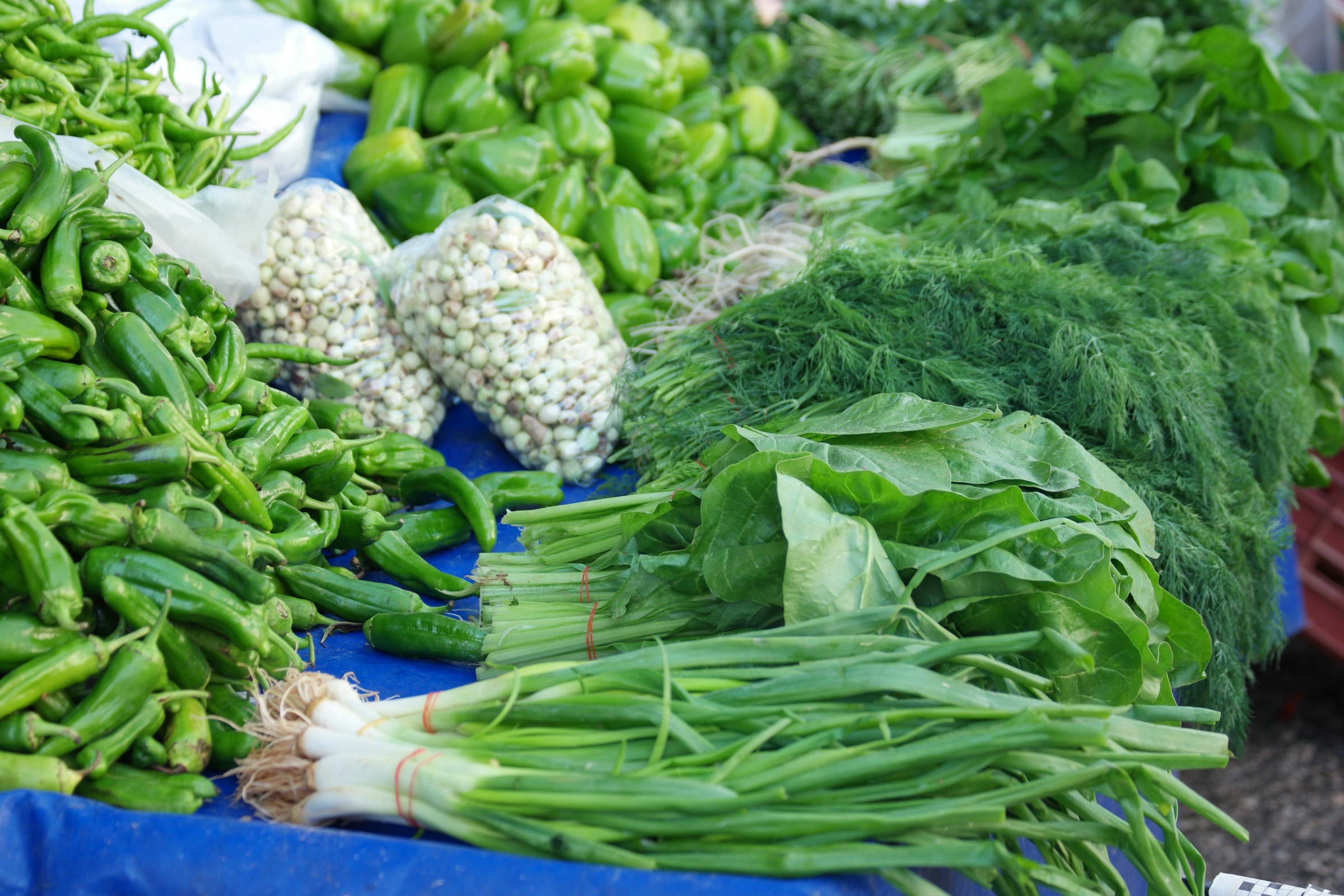
A wander through the green markets of the Balkans
My working list of green markets across the Balkans, saved on long city stays for apartment cooking, honey and figs, and a morning wander.
- Updated
- Jul 2, 2026
- Saved places
- 9
When I'm in a city for weeks at a time, the green market is how I work out how the place actually eats. Here's my running list of the Balkan ones to save on a map, some for cooking, some for gifts, some for a slow morning walk.
Planning brief
Using the market list
These markets are not all the same kind of place. Some still function as ordinary neighborhood shopping, while others sit close enough to old towns and cruise routes that they now work partly as attractions. I use them differently depending on the city.
Go early
Morning is when the produce is best, the fish and dairy counters are active, and the market still feels like part of the city rather than a photo stop.
Buy small, practical things
Fruit, figs, honey, olive oil, nuts, and local spirits are better buys than anything fragile or hard to take through customs.
Do not haggle over pennies
A few sellers are pensioners supplementing income with small quantities from gardens or family plots. Ask prices clearly, buy politely, and move on.
Watch the tourist premium
Split, Kotor, and parts of Zagreb can price for visitors. If you are shopping for a month, use these markets for orientation, then learn where residents actually buy groceries.
Places in Kotor

How to use these markets
For a short trip, a green market is best as a morning stop. Buy fruit for the room, a bag of figs, a jar of honey, or a small bottle of olive oil, then keep moving. For a longer stay, go once to understand the layout and prices, then decide whether it is a real grocery source or mainly a pleasant stop near the center.
The social rule is simple: do not treat a working market like a souvenir bazaar. Ask the price before touching produce, carry small cash, and do not haggle over tiny amounts. In many Balkan cities you will see older sellers with a few crates rather than a full commercial stall. A kilo of tomatoes or a jar of honey may be part of someone’s pension math.
The small tables are usually the reason to come. A seller with two crates of tomatoes and a few jars of honey is likely selling from a garden or a family plot, and that is where the produce tastes like something. If a single table carries more variety than one household could grow, it is probably wholesale produce being resold, which is fine for convenience but not the reason I go.
Market notes
| Market | City | How I would use it | Watch for |
|---|---|---|---|
| Dolac Market | Zagreb, Croatia | The big central market. Good first-morning stop for produce, flowers, honey, and the sense of Zagreb above the main square | Central location means visitor pricing on some stalls. Compare before buying gifts |
| Split Green Market (Pazar) | Split, Croatia | Useful if you are staying near the palace and need fruit, snacks, or a quick look before the ferry | It has partly become an attraction. For a long stay, it may not be where locals do the cheapest full shop |
| Trogir Green Market (Tržnica) | Trogir, Croatia | Same story as Pazar, smaller and quieter. It sits next to the bus station where Bus 37 ends, a natural first stop before crossing the bridge into the old town | The crowd skews Croatian and Balkan rather than cruise day tripper, which is the appeal. Ten minutes covers it |
| Kotor Food Market | Kotor, Montenegro | Best as an early stop by the city walls before the old town fills. The full Kotor planning context (where to stay around the bay, the walls climb, the cruise-ship rhythm) sits in the Kotor travel guide | The location is convenient, which also makes it visitor-facing |
| Zelena Pijaca Bar | Bar, Montenegro | More practical than picturesque. Better for apartment cooking than for sightseeing | Go earlier in the day. The practical stalls thin out |
| Pijaca Markale food market | Sarajevo, Bosnia and Herzegovina | Central produce market and the site of the 1994 and 1995 Markale massacres. A working market that is also a place of memory. Visit briefly and read the memorial | Keep the visit respectful. It is a market and a memorial site in Sarajevo's history |
| Zeleni Venac | Belgrade, Serbia | Transit-adjacent and practical, good for fruit, bread, and a quick shop while moving around the city | Busy and not polished. That is part of the point |
| Kalenić Green Market | Belgrade, Serbia | Better neighborhood-shopping feel than Zeleni Venac. Useful if you are staying longer | Less convenient for a quick tourist walk unless you are already nearby |
| Obor Market | Bucharest, Romania | Large working market with produce, meat, cheese, pickles, and inexpensive cooked food nearby | It is big and functional rather than scenic. Give it time |
What to buy
| Buy | Why it works | Travel note |
|---|---|---|
| Figs, cherries, peaches, tomatoes | Seasonal produce is usually the point of the visit | Eat fresh produce before crossing borders |
| Honey | Good gift, compact, and usually easier to declare than fresh food | Check your destination rules, especially if flying outside Europe |
| Olive oil | Useful if you have checked luggage and trust the seal | Wrap it well. Market bottles are not designed for baggage handlers |
| Rakija, loza, or local herbal spirits | Small bottles make more sense than full-size glass | Know your alcohol allowance before you buy |
| Cheese and cured meat | Good for the apartment that day | Usually not the item to bring home through customs |
Apartment cooking rhythm
| Time | What works |
|---|---|
| 07:00 to 09:00 | The serious shopping window. Produce is freshest, fish and dairy counters are active, and restaurant buyers may be moving through |
| 09:00 to 11:00 | The best visitor window. Enough life to read the market, still early enough to buy well |
| After lunch | Useful for a quick look, but many real food stalls are closing or picked over |
The main value isn't the money you save, though you often will. Markets slow the trip down. They give you a reason to cook one normal meal, learn the words for the fruit in season, and notice the older economic life of a city that can disappear behind restaurant lists and old-town photos.
Quick answers
- Are Balkan green markets good for tourists?
- Yes, if you use them as working markets rather than staged food halls. Go in the morning, buy something small, and do not expect every stall to speak English or take cards.
- What should I buy at a green market?
- Fruit for the apartment, dried figs, nuts, honey, olive oil, cheese for immediate use, and local alcohol if you have checked your baggage rules. Honey is often easier to bring home than fresh produce, meat, or dairy, but customs rules vary by country.
- Should I haggle?
- Usually no. Ask the price, compare a few stalls if you want, and buy from the person whose produce looks good. Haggling over a small purchase saves a few coins and sours the exchange.
- Which markets are better for real grocery shopping?
- Neighborhood markets such as Kalenić in Belgrade and Obor in Bucharest are more useful for weekly shopping than old-town markets in heavily touristed cities.