Natural and Culturo-Historical Region of Kotorattraction
Kotor Main Bus Stationtransit
Plan Kotor
Current conditions and the practical reference material that helps turn the saved places into a trip.
The next week in Kotor
7-day forecast from Open-Meteo. UV badges flag days when sun protection matters (3 and above is moderate; 8 and above is risk territory for unprotected fair skin within 30 minutes).
Today
Partly cloudy
33° / 27°
UV High
Wed
Partly cloudy
34° / 28°
UV High
Thu
Partly cloudy
34° / 28°
UV High
Fri
Partly cloudy
34° / 28°
UV High
Sat
Overcast
35° / 28°
UV High
Sun
Partly cloudy
34° / 28°
UV High
Mon
Partly cloudy
34° / 29°
UV High
Climate
Cool and wet season (Oct-Mar)
About 67% of the year's rain falls in these months. Typical highs around 11°C, lows around 5°C.
Warmer dry season (Apr-Sep)
Typical highs around 23°C, lows around 15°C. About 76mm of rain a month.
In August 4
Drag to scrub across the year.
JFMAMJJASOND
Weather
29° / 19°
Typical high / low
1 mm rainfall this month
Daylight
14.0h
05:51 – 19:48local
Festivals around this date
Holidays coming up
Public holidays from Nager.Date.
Airports
closest TIV · 5 km
Getting around Kotor
Public-transit operators within 8 km of the city center. Click through to each operator’s site for routes, fares, and tickets.
Local transit operators
VectareFlixBus-euFlixBus-deStadtwerke Schweinfurt
Operators and modes are aggregated from individual transit-agency GTFS feeds. Route classifications come from each feed’s route type codes.
About Kotor
Kotor, historically known as Cattaro, is a town in Coastal region of Montenegro. It is located in a secluded part of the Bay of Kotor. The city has a population of 13,347 and is the administrative center of Kotor Municipality.
The links below support the changing or licensed reference material on this page. Personal notes and ordinary geographic facts are not footnoted individually.
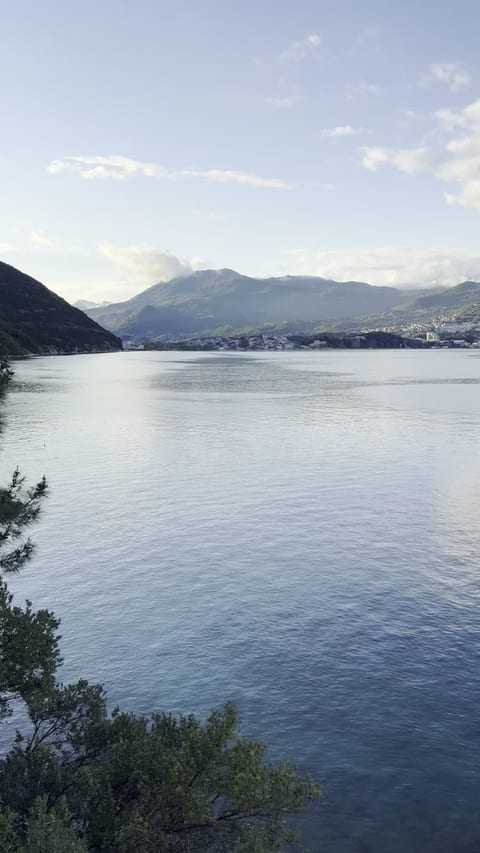
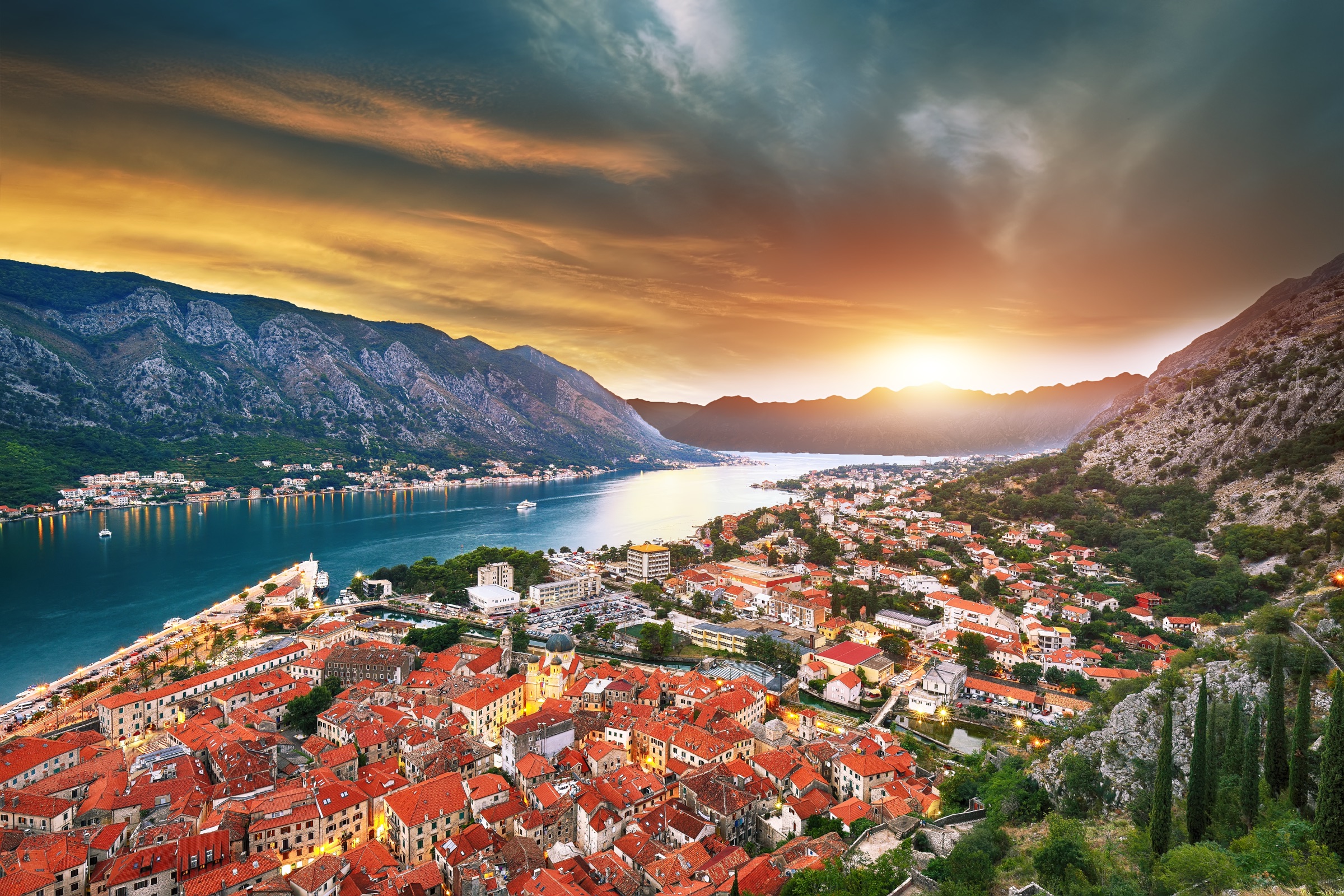
Kotor is two things: the Bay of Kotor, the long Adriatic inlet often called Europe's southernmost fjord, and the walled medieval town at the back of it, overrun by cruise ships from mid-morning to late afternoon. I stay out on the bay, see the town outside cruise hours, and climb the walls early.
Planning brief
Planning Kotor
Kotor is a UNESCO-listed walled town at the back of a long Adriatic inlet (often called Europe's southernmost fjord) in Montenegro. Bases spread around the bay, while the noon-to-4 p.m. cruise window can put 6,000 day-passengers into the old-town lanes.
Base around the bay
The old town is compact. Other bases include Herceg Novi at the mouth, Tivat across the water, and Perast halfway in. The cruise schedule determines the quiet windows for Kotor's walls, churches, and lanes.
Walls climb at 7 a.m., not 11
Climbing the St John Fortress walls is the main experience and the one to time carefully. In summer you are climbing 1,355 steps in heat that gets uncomfortable fast, and the lower switchbacks fill with cruise traffic by mid-morning. Do yourself a favor and start at first light, climb in the cool, and be down with a coffee in hand before the day-tripper queues start. Pay the small entry fee at the main gate. It supports the site. A back-trail option through Špiljari exists if you would rather skip the fee, but I would still use the official route if you are starting after the kiosk opens.
Cruise ships set the rhythm
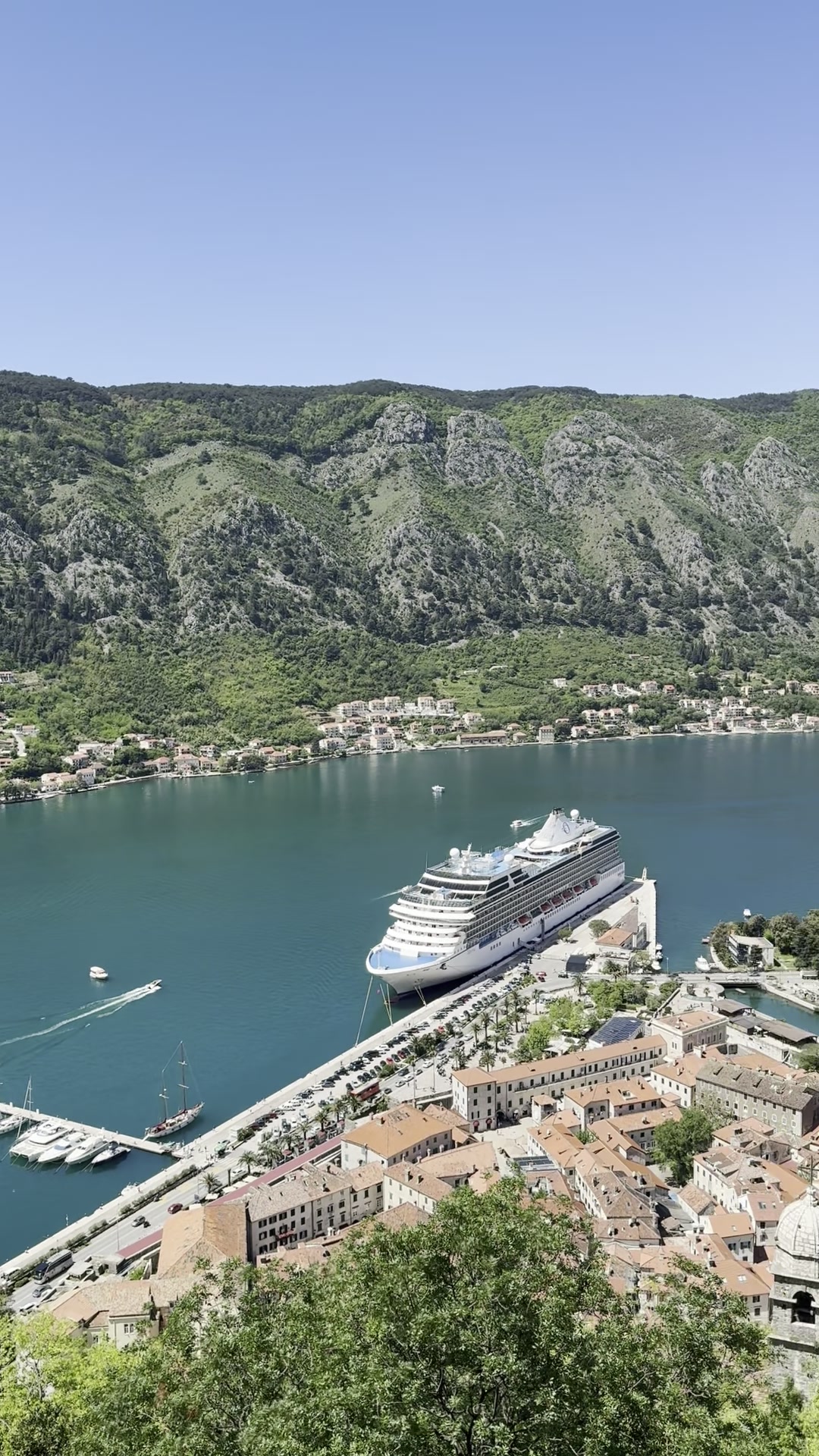
Kotor's cruise pier sits a hundred meters from the old town walls and a typical summer day has two or three large ships in the bay at once. The town is calm at 7 a.m., bedlam from 10 a.m. to 4 p.m., then empties out for the evening. Plan the walls climb and the church visits inside the calm windows. Come back for dinner.
The cats are real
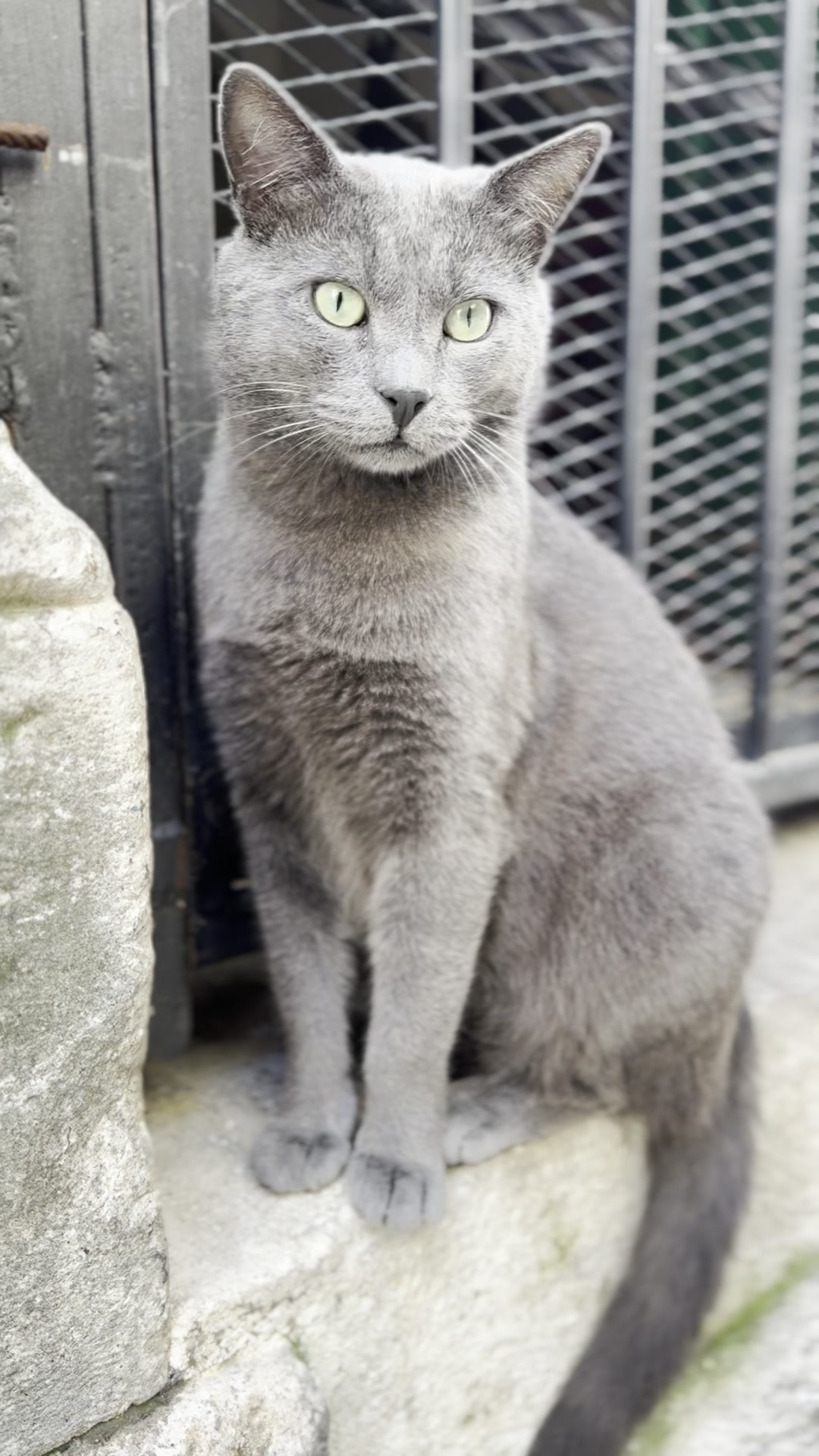
Kotor has been a cat city for centuries. The medieval port welcomed cats to control ship rats, the bloodline never left, and there are now more visible street cats in the lanes than in any other comparable old town. The small Cats Museum near Trg Gospa od Anđela is a five-minute stop on the way through.
Kotor's cruise calendar matters more than most festivals, but Boka Night and summer arts dates can fill the bay.
Event
When
What it changes
Winter Carnival
February
Venetian-era masked processions in the old town
Boka Night
Mid-August
Decorated boats, fireworks, music, food, and full bay hotels
Summer Carnival
August
Visitor-season version of Carnival
KotorArt Festival
July and August
Open-air theater and music inside the old town
St Tryphon Day
February 3
Patron-saint procession through the old town
Don Branko's Music Days
July or August
Classical music in the cathedral and historic venues
Statehood Day
July 13
National holiday, with civic events stronger in Cetinje
Camellia Days
March
Small flower festival around the bay's camellia tradition
Christmas dates
December 25 and January 7
Catholic and Orthodox observances, with restaurants mostly open
Where to stay around the bay
The four real bases on the bay are Herceg Novi at the mouth, Tivat across the water, Perast halfway up, and Kotor itself. Pick by rhythm and budget. The bay is small enough that a base in any of these towns gets you into Kotor old town on a manageable day trip.
All-inclusive at the mouth of the bay, regularly runs under $100 a night. Across from Herceg Novi's own walled old town, which is quieter than Kotor. Bus to Kotor takes about an hour
Resort format rather than boutique. The Iberostar's own waterfront is good for a swim, but it is not the Adriatic-coast photo you came for
The luxury option. Marina-front, design hotel, walking distance to Tivat airport (TIV) for a fly-in start. A different mood than the medieval-town side of the bay
Expensive. The Porto Montenegro complex is a fully built marina town that does not read like Montenegro elsewhere on the bay. Some travelers want exactly that, others want the opposite
Tivat (apartments)
Various
Smaller, cheaper, residential-bay base across from Kotor by water. Easy bus connection or a 25-minute drive around the bay
No single pin to point at. The rental market is the source. Read recent reviews for the walking distance to the ferry pier
Halfway up the bay, ten minutes by car from Kotor. The most photogenic small village on the bay, with the two-island view (Our Lady of the Rocks and St George's) directly in front
Small. Limited restaurants, very few groceries, busiest stop on the daytrip-boat circuit between 10 a.m. and 3 p.m.
Kotor old town
Various boutique hotels and apartments
The walk-out-the-door access to the walls and the lanes. The medieval atmosphere in the calm hours before and after the cruise day
Loud during the cruise window, expensive for what you get, and the lanes get packed. Check the cruise calendar before booking
My default is the Iberostar at Herceg Novi for an arrival, with Tivat or Perast as alternative bases farther around the bay. The Iberostar is the value pick on the bay and is the right answer for a traveler who wants a beach base and is comfortable taking the bus into Kotor for the day visit.
Getting to old Kotor for the day
The Blue Line bus along the coast road links Herceg Novi, Tivat, and Kotor with stops at most of the bay villages on the way. From Herceg Novi the ride to Kotor's main bus station is about an hour and costs a few euros. The bus runs roughly hourly through the day in season. From Tivat the same line is shorter. From Perast the connection is closer to 15 minutes. The Kotor Main Bus Station sits a five-minute walk from the old town's Sea Gate, so the connection drops you essentially at the door.
Driving is the other option and is the right answer if you are basing in Perast or doing the bay loop on the way north to Croatia or south to Budva. The coast road around the bay is slow but scenic. The ferry across the Verige Strait at Kamenari saves about 30 minutes if you are going from Herceg Novi to Tivat or Kotor. Parking in Kotor is enforced and not cheap. Use the lots outside the walls rather than circling the lanes.
The walls and St John Fortress
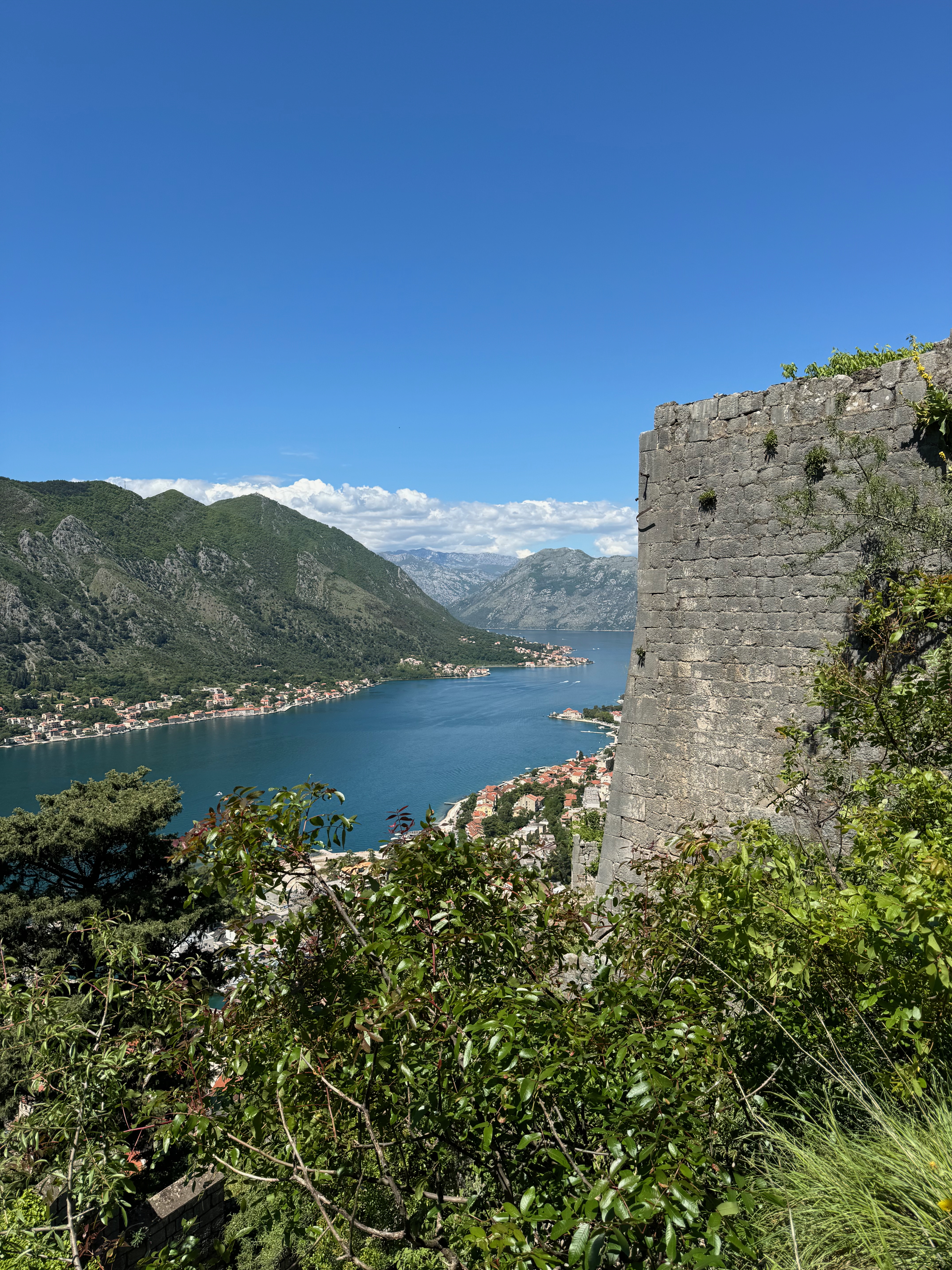
The walls climb is the experience the town is built around for visitors. The marked route starts at the kiosk inside the old town walls behind the Northern River Gate and climbs 1,355 steps in switchbacks up the mountainside through the lower fortifications. Halfway up, it passes the small Church of Our Lady of Remedy, with a chapel, an icon, and a stamp ledger you can sign. At the top, it finishes at the St John Fortress (Kotor Fortress), with the view down over the entire old town and the bay opening out below.
The walls climb pays off because the bay opens in layers: old stone in front, Kotor below, and the inlet running back through the mountains.
Two practical notes shape the day.
The first is timing. The climb takes 60 to 90 minutes up and 30 to 45 down. The path is exposed limestone with very little shade. On a clear July or August day the lower switchbacks are unkind by 9 a.m. and unkind by 7 a.m. on the worst days. Start at first light, climb in the cool, descend before the heat catches you, and you have the morning back. Coming up from the kiosk by 10 a.m. is the version of the climb most cruise-day visitors describe as miserable. It does not have to be that.
The second is the back-trail approach. There is a smaller path that joins the wall system from outside the kiosk, via the village of Špiljari behind the fortress, which links into the broader Ladder of Kotor trail that climbs the mountain to the village of Krstac. Walking up the Ladder from its trailhead in Dobrota and cutting off at Špiljari lets you reach the top without paying the kiosk fee. The fee is small (€8 to €15 depending on year and season) and supports the maintenance of the site. The front-gate route with the entry payment is the version I would book by default. Use the back trail for a sunrise climb before the kiosk opens, or if you are doing the longer Ladder hike as the main event with the fortress as a halfway stop.
The old town: churches, lanes, and cats
The walled old town is about 250 by 350 meters and can be walked through in an hour. Half a day with the four churches, the small museums, the squares (Trg od Oružja the main one, Trg Sv. Tripuna in front of the cathedral, Trg od Mlijeka the small triangular one), and time on the walls works as a slow morning.
The four churches in walking order from the Sea Gate:
St Tryphon's Cathedral (Sveti Tripun, 1166). The Catholic cathedral and the substantial visit. The interior has the 14th-century ciborium over the high altar and the cathedral treasury upstairs. Small admission covers both.
St Luke's Church (Sveti Luka, 1195). The small Romanesque box near the center with the unusual two-altar arrangement.
St Nicholas (1909). The bigger Serbian Orthodox church with the two domes near the northern walls. Usually open, and the iconostasis is the reason to step in.
St Mary's Collegiate (Sv. Marija Koleđata, 1221). Small, the third medieval one in the cluster.
The other thing the old town is famous for is its cats. The medieval port welcomed cats to control ship rats and the population has been continuous for the better part of a thousand years. You walk past dozens in any direction. The small Cats Museum near Trg Gospa od Anđela is a five-minute stop on the way through. Bring a small donation if you want. The museum and the local cat shelters live on contributions.
The cats are part of the old-town rhythm, and the museum is mostly a small donation stop for the local cat world.
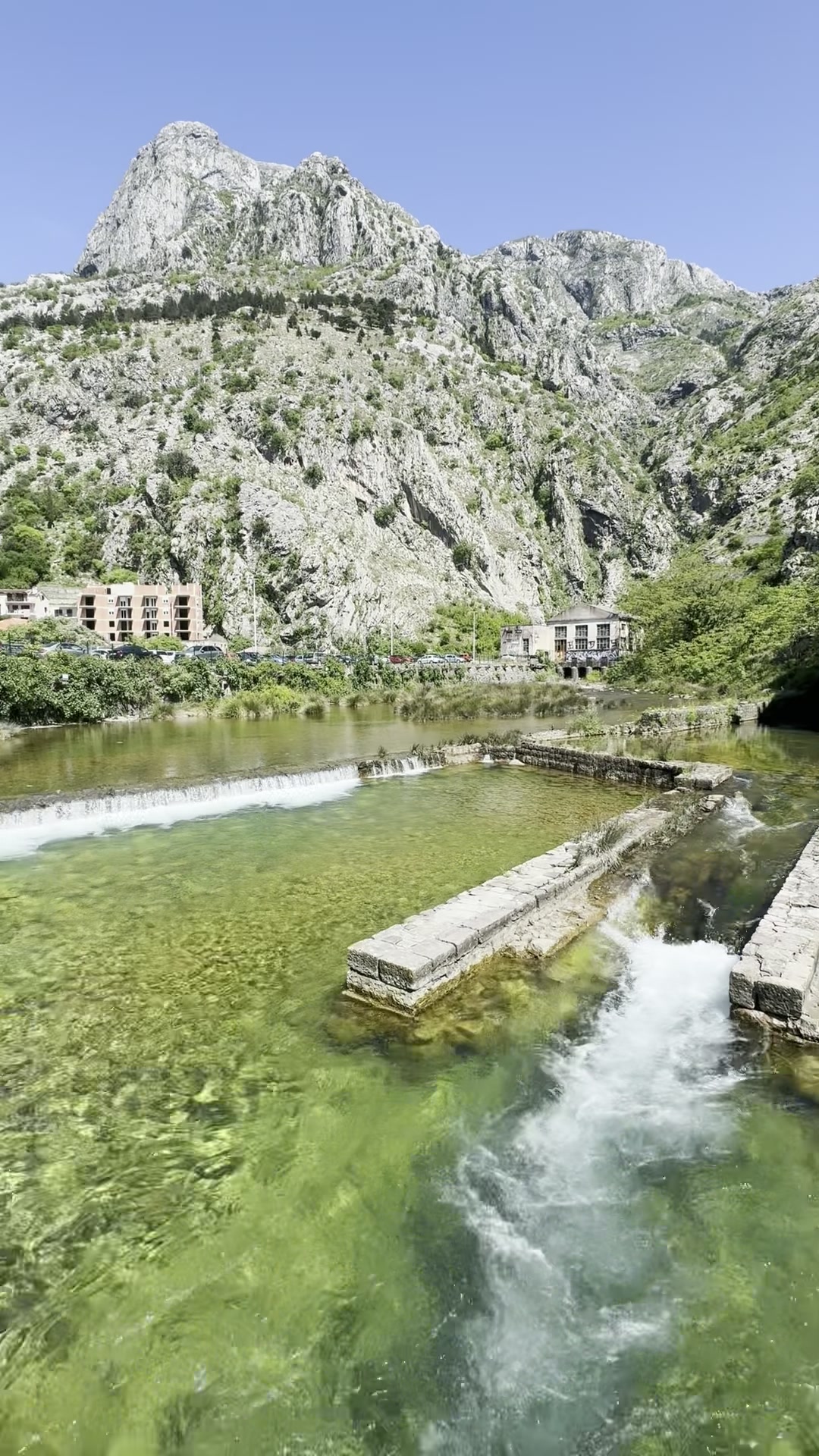
The Old Hydroelectric Power Plant on the river behind the old town is the surprising stop that most visitors miss. The 1920s industrial building was the first hydroelectric plant in Yugoslavia, and it sits in a quiet courtyard at the foot of the cliffs. Give it ten minutes if you are doing the walls climb. It is right next to the river gate where you start the climb.
The river behind the walls is a useful reset after the lanes: quieter, cooler, and directly below the climb route.
The green market
The Kotor Food Market is the small open-air green market just outside the Sea Gate. It is touristy in the way every old-town-adjacent market on the cruise circuit is touristy. The cheese and prosciutto stalls, the honey, the rakija and small wine bottles are priced for visitors but still a fair gift-shopping stop. For a deeper read on how this market sits inside the wider Balkan green-market scene (which markets are the working ones, which are the staged ones, and the rules of buying small at any of them), see the cross-list at /lists/balkan-green-markets. It covers Kotor's market alongside Dolac in Zagreb, Markale in Sarajevo, Kalenić in Belgrade, and the rest of the region.
Where to eat
A few picks from the saved list call for reservations.
Traditional konoba on the bay, fish-forward, small room
Outside the walls
The rest of the bay's restaurants render under this writeup on the pin map. The saved list includes Hipnos, Tri Lipe, Pasterija Nautica, Verige 65, Konoba Karaca, and a dozen more for a longer stay. Kotor restaurants follow the standard cruise-town pattern. The rooms that price for one-time visitors are inside the walls along the obvious lanes, and the rooms that price for residents and longer-stay travelers are a few minutes' walk outside the gates.
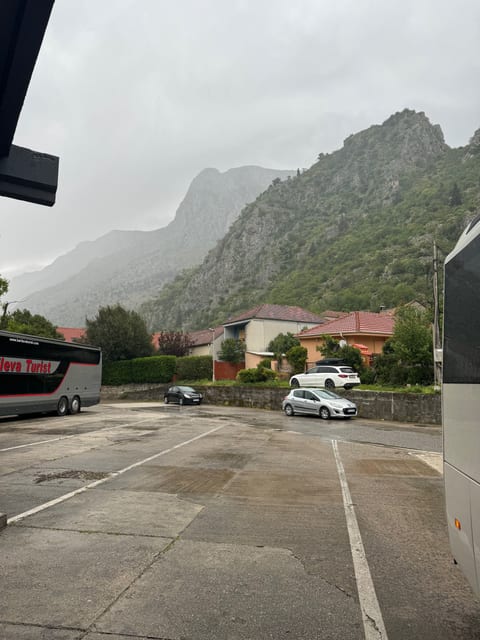
A practical note on the bus station. The Kotor main bus station is the gateway to the rest of the Balkans by furgon, and the employees can be brusque to the point of comic. Bring cash for the ticket, know the name of where you are going and say it clearly, and the transaction goes through fine. Do not expect a tourist-info smile.
Cruise-ship rhythm and when to go in
The cruise dock sits about a hundred meters from the Sea Gate. A typical July day has two or three large ships in the bay, each carrying 2,000 to 4,000 passengers, with arrival windows that cluster around 8 a.m. and disembarkation peaks from 9 a.m. to 11 a.m. The town fills, the lanes load, the cathedral queues, and the walls kiosk has a 20-minute line by mid-morning. Ships re-board between 4 p.m. and 5 p.m. and the town empties by 6 p.m.
This is why the cruise calendar matters: one ship can put a crowd the size of a small town at the Sea Gate before lunch.
The schedule is published. Check the Kotor cruise calendar before you book a day in the old town. If you can, pick a low-ships day for the wall climb, then plan a swim or a Perast boat for the busy middle hours. The evening is when Kotor is actually pleasant. Eat dinner inside the walls after the ships leave, walk the empty lanes once, then go back to wherever you are sleeping on the bay.
A short history of the bay and the town
The Bay of Kotor cuts about 28 kilometers inland from the Adriatic, with a narrow strait (Verige) about halfway up that splits the outer bay from the inner basin where Kotor sits. The Romans, the Byzantines, the medieval Serbian kingdom, Venice, Austria-Hungary, Italy, and Yugoslavia have each held the bay at various points. The town's most legible layer is Venetian. Venice held Kotor from 1420 to 1797 and most of what you walk through in the old town (the walls, the gates, the lion-of-Saint-Mark reliefs, the layout itself) is the Venetian inheritance.
The fortifications climb the mountain behind the town. The lower walls and the sea gate are the workable medieval base. The long switchback up to St John Fortress (Sveti Ivan) at 1,200 feet above the town is the famous photographable line. The town has been hit by major earthquakes (1563, 1667, and the 1979 quake that prompted the UNESCO designation in the first place) and rebuilt each time on the same footprint, which is why the old town reads coherent rather than layered.
A handful of churches anchor the lanes. St Tryphon's Cathedral (Sveti Tripun, consecrated 1166) is the Catholic cathedral on the southern side of the town and the oldest substantial church in the old town. St Luke's (Sveti Luka, 1195) is the small Romanesque church near the center, unusual for having Catholic and Orthodox altars side by side after the city's confessional split. St Nicholas (1909) is the Serbian Orthodox church with the two domes near the northern wall. St Mary's Collegiate (Sveti Marija Koleđata, 1221) is the third small medieval one. None takes more than ten minutes inside. The value is the cluster.
Quick answers
Where should I stay if I want to avoid the cruise-ship crowds?
Anywhere on the bay that is not the old town. Iberostar Waves Herceg Novi at the mouth of the bay regularly runs under $100 a night and sits across from Herceg Novi's own old town. The Blue Line bus to Kotor takes about an hour and costs a few euros. Tivat (Regent Porto Montenegro for the luxury end, smaller apartments for less) is the other side of the water and a similar bus ride. Perast halfway up the bay is the photogenic small-village option but is more limited for restaurants and groceries.
Do I have to pay to climb the walls?
There is a fee at the main gate (€8 to €15 depending on the year and the season), and it supports the maintenance of the site. There is also an unofficial back-trail approach that enters the wall system from the Špiljari side and bypasses the kiosk. The path links into the broader Ladder of Kotor trail system north of the town. The fee is small enough that the front-gate route is the right default. Use the back-trail if you want a longer hike or a sunrise climb before the kiosk opens.
When is the worst time to be in the old town?
10 a.m. to about 4 p.m. on a day with two or three cruise ships in. The cruise schedule is published. A quick check before you go lets you plan the morning walls climb and an afternoon nap or a swim somewhere on the bay around the busy block. Evenings after the ships leave the town reads differently and is the right time for dinner.
What is the Kotor food market like?
It is a small visitor-facing market just outside the Sea Gate, with fruit, honey, rakija, and gift-sized bottles of local wine. Cruise traffic shapes the prices and the crowd. For a deeper read on how this market sits inside the wider Balkan green market scene, and where to find the more residents-first ones, the cross-list at /lists/balkan-green-markets covers the region.


 +1
+1