Photos from Lisbon

Time Out Market Lisboarestaurant

Santa Justa Lifttransit

Rua Augusta Archattraction

Mercado da Ribeirashopping
Current conditions and the practical reference material that helps turn the saved places into a trip.
7-day forecast from Open-Meteo. UV badges flag days when sun protection matters (3 and above is moderate; 8 and above is risk territory for unprotected fair skin within 30 minutes).
About 86% of the year's rain falls in these months. Typical highs around 17°C, lows around 13°C.
About 15mm of rain a month, against 66mm in the wet season.
Public holidays from Nager.Date.
Public-transit operators within 8 km of the city center. Click through to each operator’s site for routes, fares, and tickets.
Lisbon is the capital and most populous city of Portugal, with an estimated population of 575,739 as of 2024, within its administrative limits and 3,028,000 within the metropolis, as of 2025. Lisbon is mainland Europe's westernmost capital city, and the only one along the Atlantic coast, the others being on islands. The city lies in the western portion of the Iberian Peninsula, on the northern shore of the River Tagus. The western portion of its metro area, the Portuguese Riviera, hosts the westernmost point of Continental Europe, culminating at Cabo da Roca.
The links below support the changing or licensed reference material on this page. Personal notes and ordinary geographic facts are not footnoted individually.
Monthly highs, lows, rainfall — long-term averages, NASA POWER.
Operators and modes are aggregated from individual transit-agency GTFS feeds. Route classifications come from each feed’s route type codes.
Maps, image licenses, and the full dataset registry are listed in site credits.
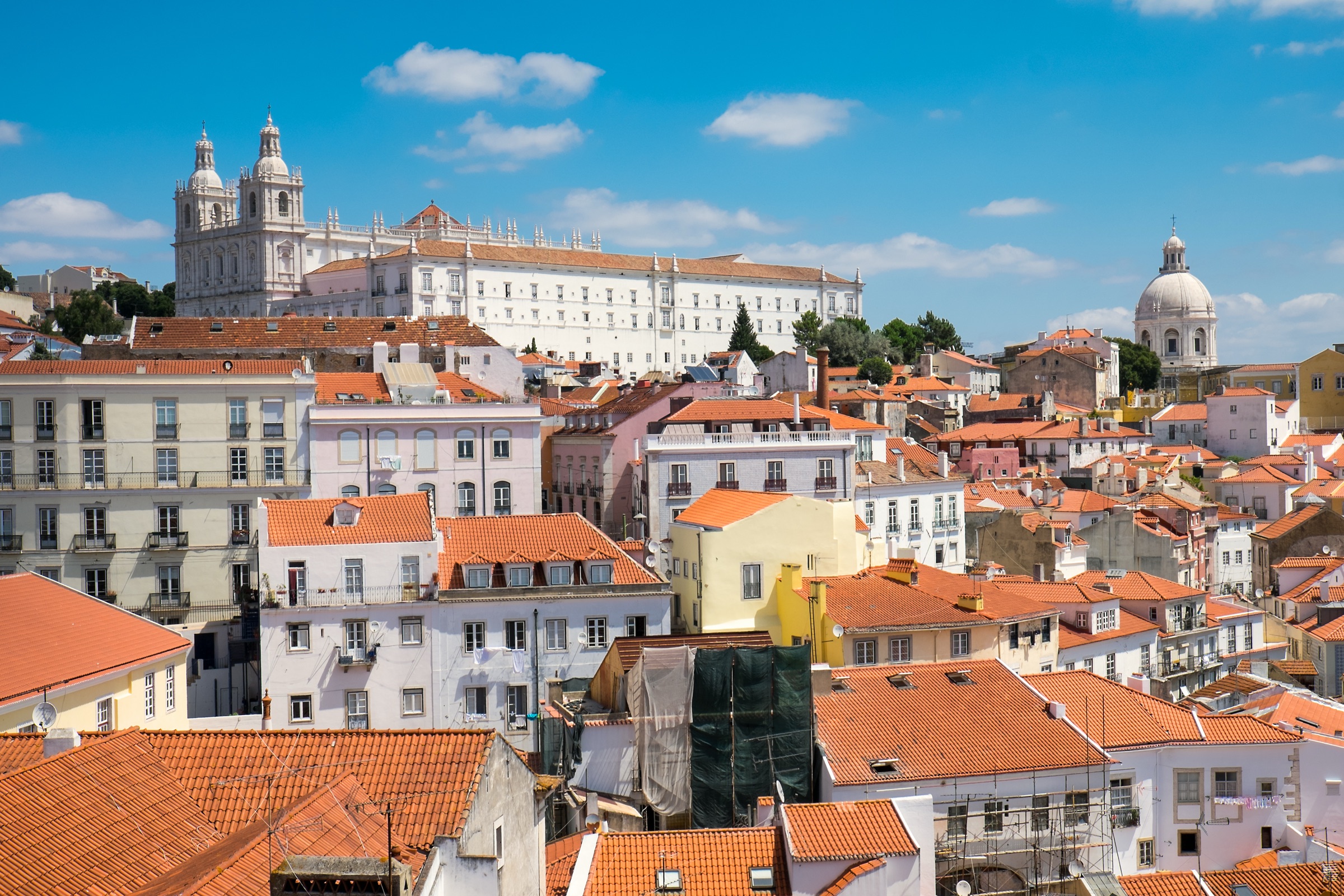
My Lisbon travel guide. Getting in from Humberto Delgado on the metro, where to stay near the center, the tascas, and day trips to Sintra and Cascais.
Lisboa
Lisbon has topped European city lists for a decade, and the reasons hold up on arrival: the light, the trams, the food, hotels you can afford, and seven hills that turn every corner into a viewpoint. Sintra and Cascais are separate rail routes beyond the central hills.
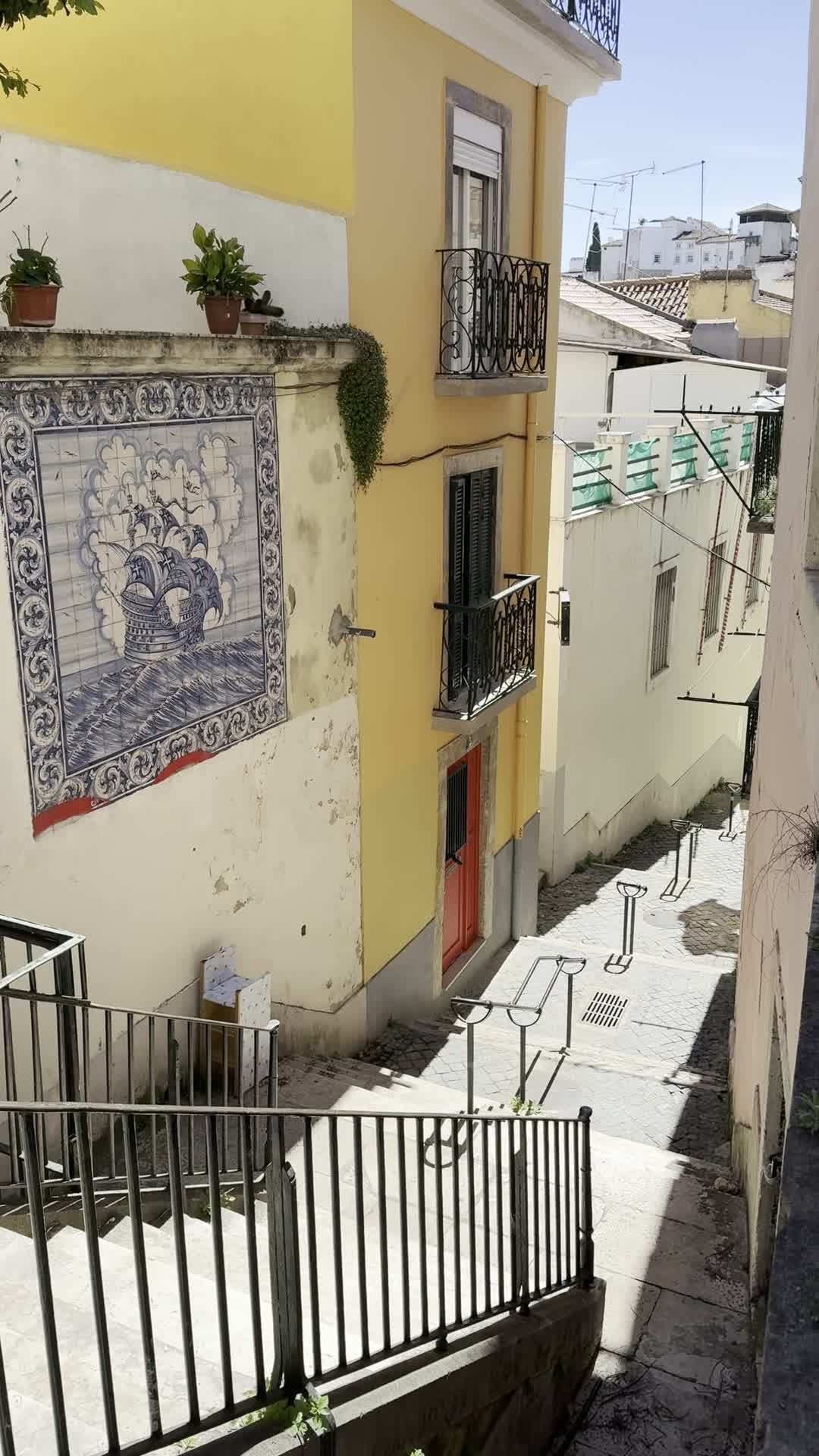
Treat Lisbon as a hill loop, not a flat checklist. The best days usually combine one high viewpoint, one low riverfront stretch, and a food stop close enough that you are not climbing just because the map looked short.
Lisbon Humberto Delgado Airport (Lisbon) (LIS) sits about 7 km north of the center and is one of the closer European airport approaches. The red metro line connects directly into town.
| Mode | Time | Cost | When to use |
|---|---|---|---|
| Metro Red Line (Linha Vermelha) | 20 to 30 min | €1.85 single + €0.50 for a Viva Viagem card | The default. Direct from the terminal to São Sebastião, then transfer to the Blue or Yellow line for most of the central hotels |
| Aerobus | 20 to 30 min | €4 single | Direct to Praça do Comércio and Cais do Sodré. Useful if your hotel is on the riverfront and you do not want to manage the metro transfer |
| Uber / Bolt / FreeNow | 15 to 30 min | €10 to €18 to the center | Cheap and easy. Lisbon rideshare is one of the more reliable markets in Europe |
| Taxi from the rank | 15 to 30 min | €12 to €20 metered | The legal rank cars run a real meter. A small luggage surcharge applies. Do not pay anything else outside the meter |
I broke the system detail out into Lisbon Metro and Lisbon Tram notes because the city is easiest to understand as layers. The metro is the airport and cross-town spine. The trams are the hill-city layer. CP trains are the Sintra and Cascais layer.
For a first trip, remember three routes: the Metro Red Line from the airport, Tram 15E for Belem, and Tram 28E if you want the classic hill ride and can tolerate the crowd.
Lisbon's big local date is Santo António in mid-June. Web Summit is the main hotel-price warning.
| Event | When | What it changes |
|---|---|---|
| Festas de Lisboa / Santo António | June 12 to 13 | Sardines, street decorations, Alfama crowds, and the Marchas Populares parade |
| Carnival | Before Lent | Smaller in Lisbon. Torres Vedras and Loulé run larger Portuguese versions |
| NOS Alive | Mid-July | Big music festival at Algés. Western waterfront hotels book early |
| Rock in Rio Lisboa | Even-numbered years, late June | Large festival at Parque Tejo. Check the year before assuming it runs |
| Super Bock Super Rock | Mid-July | Rock-leaning summer festival south of the city |
| Web Summit | Mid-November | Major tech conference at Altice Arena. Hotels rise sharply |
| Lisbon Marathon | Mid-October | Riverfront and Belém road closures |
| Property | Note |
|---|---|
| Moxy Lisbon City | Pinned |
Lisbon is a walking-and-trams city, and most of the central sights cluster in the Baixa, Chiado, and along the river. Group that central route on foot before using transit for the outer districts.
Rua Augusta Arch is the triumphal arch at the foot of the Baixa grid where it meets Praça do Comércio and the river. Free to walk through, with weekend vendors selling signs you do not need, porcelain figures, and shirts. It takes two minutes to walk through and see the square open up on the far side.
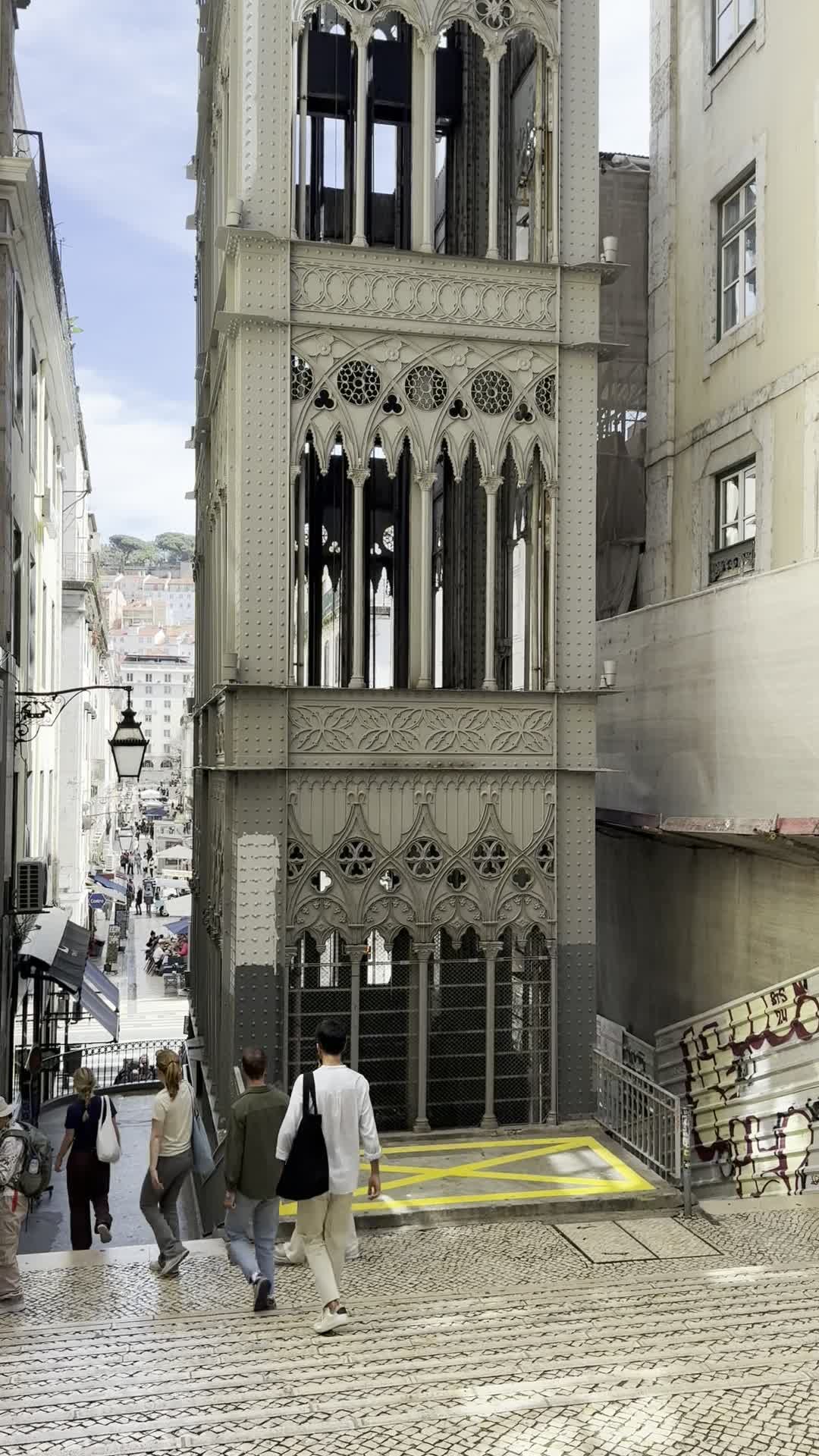
Carmo Convent is the roofless Gothic church left as a ruin after the 1755 earthquake, one of the more atmospheric stops in the center. The Santa Justa Lift is the wrought-iron elevator that connects the Baixa to the Carmo level. The queue is long. The same view is free from the Carmo terrace next door if you walk up.
Out in Belém, the Jerónimos Monastery is the Manueline showpiece and the city's signature monument, paired with the riverside Belém Tower a short walk away. The National Coach Museum is the quieter Belém stop if you have the time. For something odd, step into Joalharia do Carmo near the convent for the interior decoration alone, local silver and gold at prices that match the quality.
Portuguese food is the casual Mediterranean side that overlaps with Spain on the surface but diverges in the specifics. Bacalhau (salt cod) in every form, pastéis de nata, grilled sardines in summer, ginja in shot glasses, and the neighborhood tasca where lunch runs about €10. My picks lean casual.
| Spot | Why | Notes |
|---|---|---|
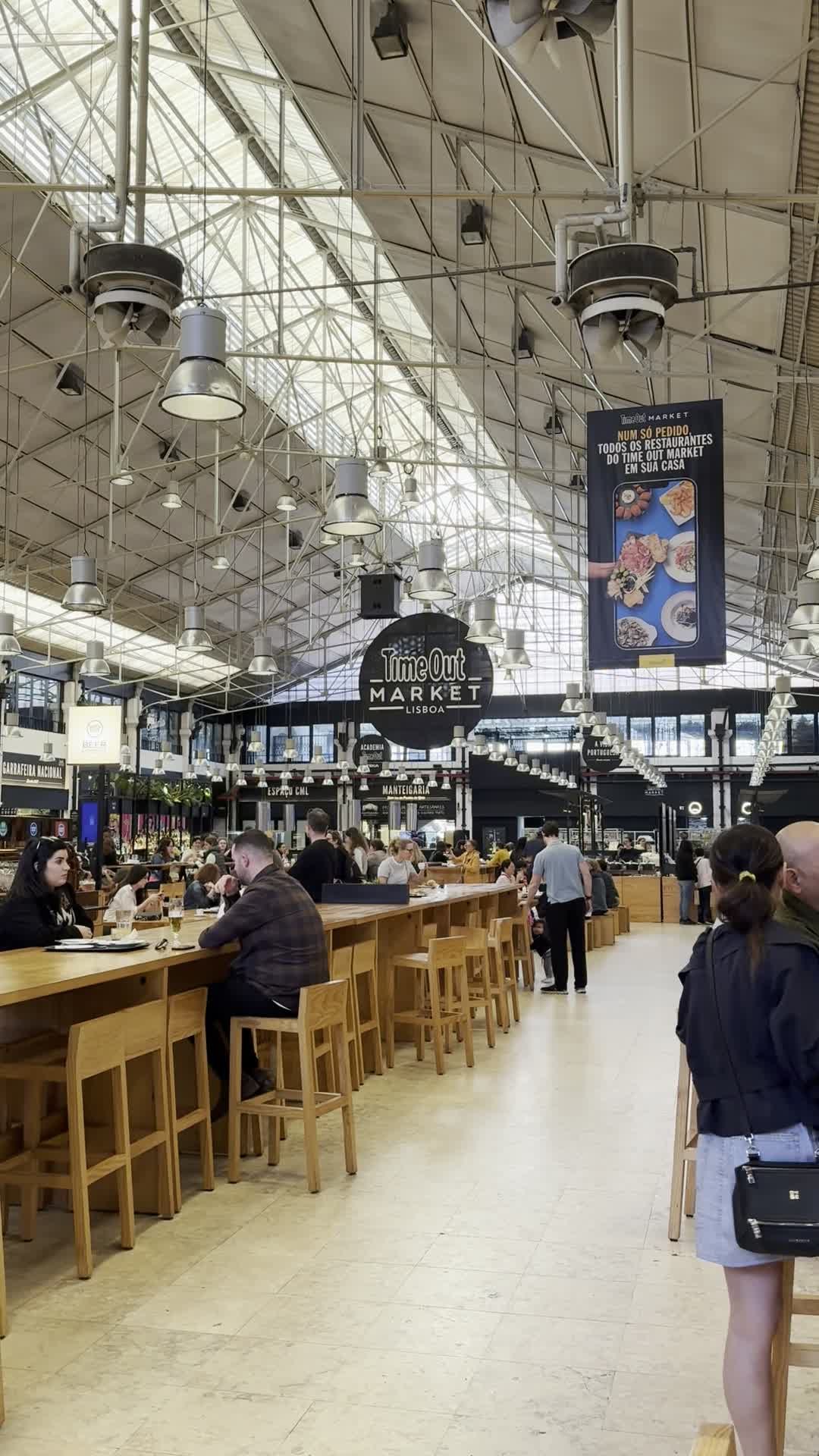
| Time Out Market | The famous food hall at Cais do Sodré | Worth poking your head in for the spread of options under one roof. Busy at peak meal times |
| Tapas Kebab & Grill the Baixa | The cheap-and-fast pick | Really good doner, fast service, very cheap |
| Luka Lisboa | The atmosphere pick | Beautiful vibe |
| Restaurante Rio Grande | A bar to settle into | An entrancing room |
| Benedita Bakery & Breakfast | Morning coffee | A cute coffee shop with accommodating staff |
| Union - Portugal Empanadas | A quick bite | Cute little shop with teas and smoothies |
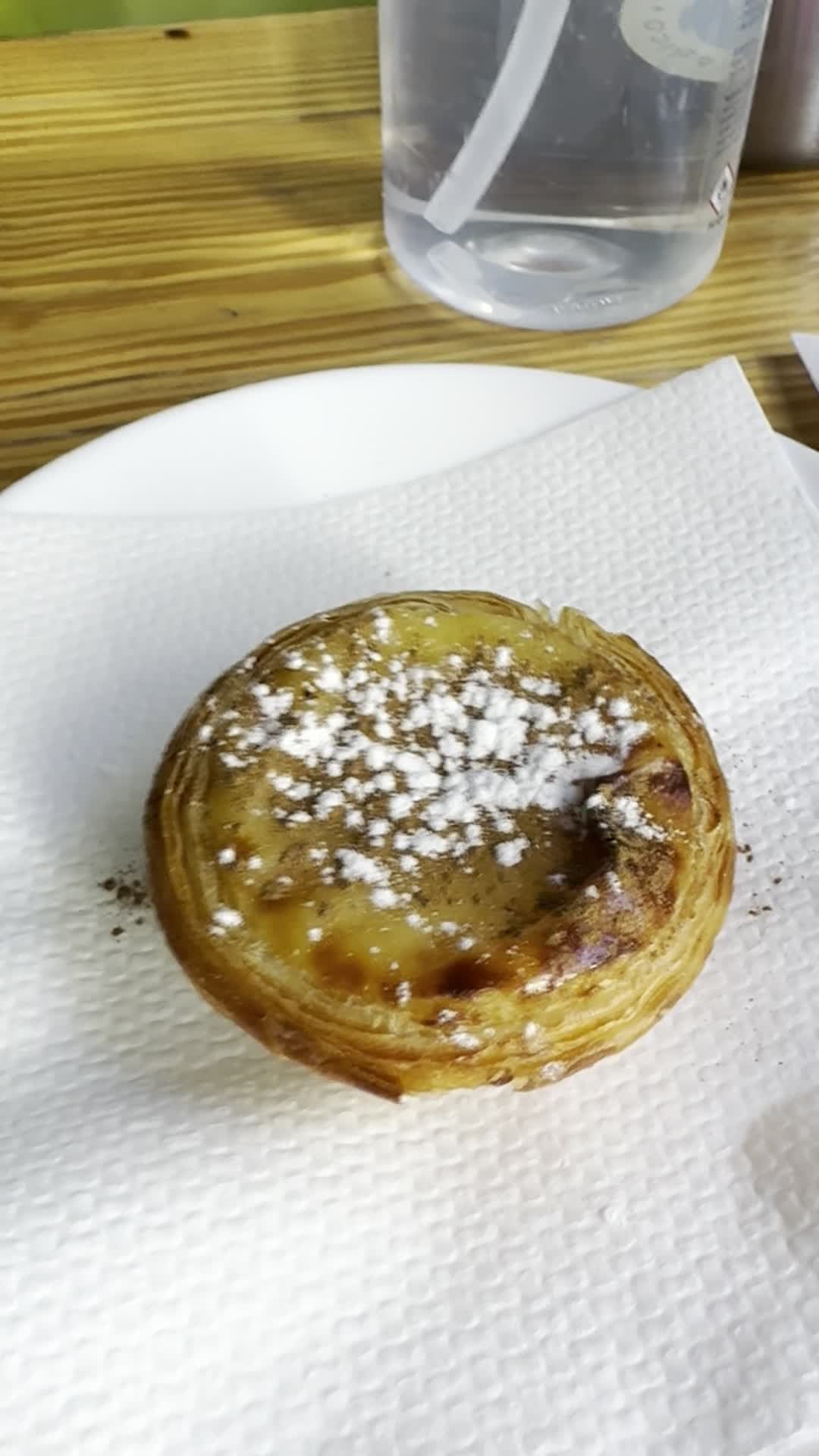
Pastéis de nata. The custard tart is the thing to eat in Lisbon, and you do not need a pilgrimage to find a good one. Manteigaria is the reliable in-the-center pick. Alfama Doce is the off-the-tourist-drag option with great nata, cash only. The original is Pastéis de Belém out by the monastery, a stop if you are already in Belém, but the line is long and the in-town options hold up. The rest of my Lisbon saved list, including Cafetaria Landeau for the chocolate cake, renders on the map view below.
Lisbon has the best cluster of day trips of any Iberian capital, and Sintra is the one to prioritize. About 40 minutes by train from Rossio, the Sintra parks and palaces are an hour out of the city and completely unique: a hillside of romantic gardens and estates with a noticeably cooler, wetter microclimate than Lisbon. Check the weather before you make the trek. The palace on site justifies the trip on its own.
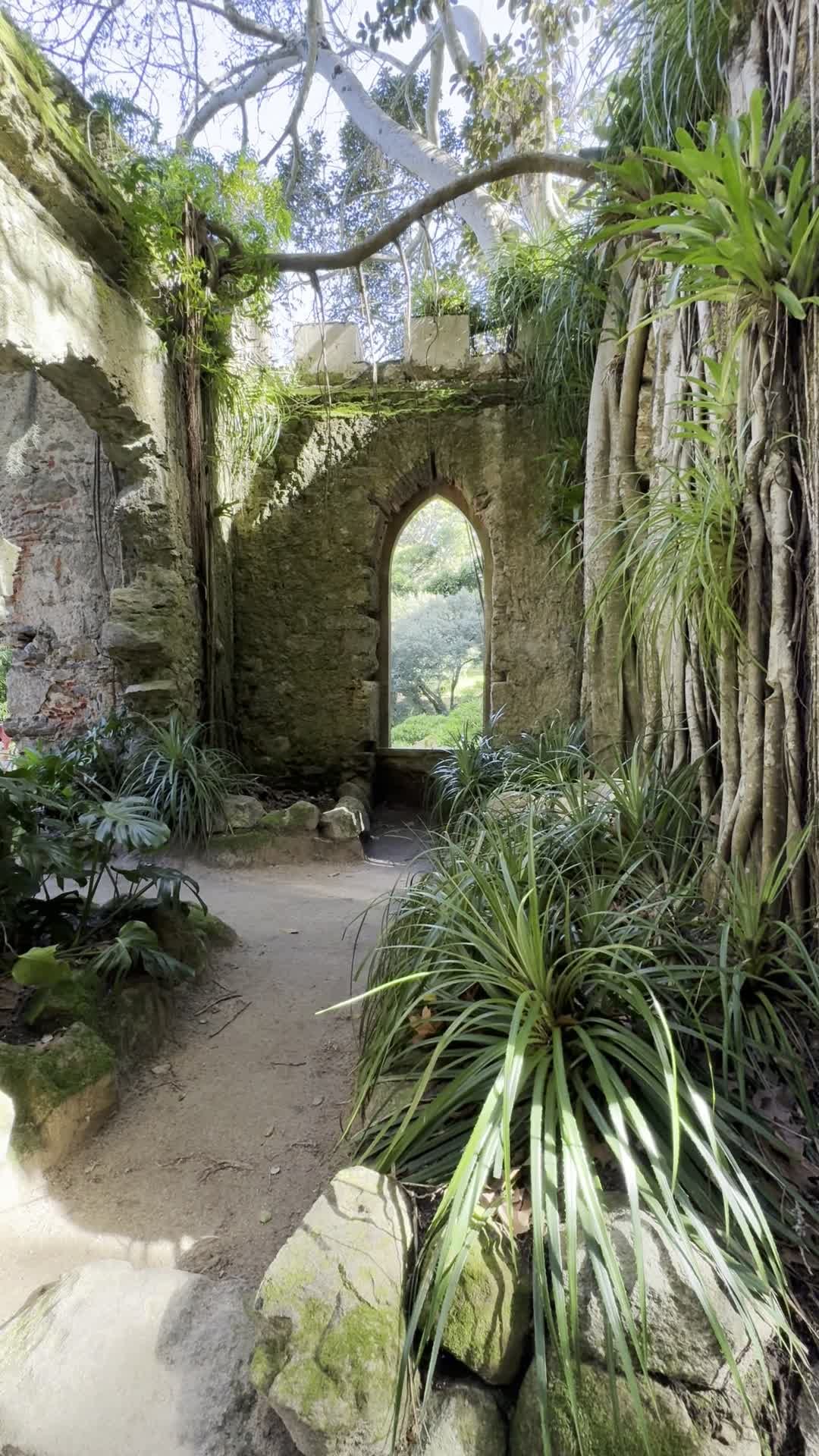
The ruins of the Monserrate chapel sit inside a larger Sintra park and are the quieter highlight: beautiful ruins with no wait when I went, tickets straight from a vending machine at the gate. Go early in the day, because the popular palaces (Pena especially) fill up and need online booking.
Beyond Sintra, the day-trips page covers Cascais on the coast, the walled village of Óbidos, the Arrábida beaches near Setúbal, and the Alentejo wine town of Évora.


