Restaurant Brasería La Flama de La Bolerarestaurant
+2
La Bodegueta de Sant Cugatrestaurant
+2
Grill'Artsrestaurant
+2
Holiday Inn Express & Suites Barcelona - Sabadellhotel
Restaurant Cal Santirestaurant
Beercelona Barrestaurant
+4
La Uramakeriarestaurant
Palau Güellattraction
Plan Barcelona
Current conditions and the practical reference material that helps turn the saved places into a trip.
The next week in Barcelona
7-day forecast from Open-Meteo. UV badges flag days when sun protection matters (3 and above is moderate; 8 and above is risk territory for unprotected fair skin within 30 minutes).
Today
Overcast
30° / 26°
UV High
Wed
Overcast
32° / 25°
UV High
Thu
Showers
30° / 26°
3.6 mm
UV High
Fri
Thunderstorm
30° / 24°
3.5 mm
UV High
Sat
Overcast
31° / 25°
UV High
Sun
Overcast
33° / 25°
UV High
Mon
Partly cloudy
32° / 24°
UV High
Climate
Summer (Jun-Sep)
Typical highs around 28°C, lows around 18°C.
Winter (Nov-Mar)
Typical highs around 14°C, lows around 5°C.
In August 4
Drag to scrub across the year.
JFMAMJJASOND
Weather
29° / 20°
Typical high / low
1 mm rainfall this month
Daylight
13.9h
06:59 – 20:52local
Festivals around this date
Holidays coming up
Public holidays from Nager.Date.
Airports
closest BCN · 13 km
Getting around Barcelona
Public-transit operators within 8 km of the city center. Click through to each operator’s site for routes, fares, and tickets.
Barcelona is the capital of Catalonia and the second-largest city of Spain after Madrid, with about 1.7 million residents in the municipality and roughly 5.7 million in the metropolitan area, making it one of the larger metropolitan regions on the Mediterranean. It lies on the coast between the mouths of the Llobregat and Besòs rivers and is bounded inland by the Collserola ridge. The city has Roman foundations as Barcino and grew under medieval Catalan rule and the Crown of Aragon. The 19th century brought industrialization, the Cerdà plan, and the Eixample expansion, and the long arc of Catalan Modernisme in architecture, music, and the arts. Catalan and Spanish are co-official, and Catalan is the working language of much of public life. Barcelona hosted the 1992 Summer Olympics and remains one of the principal Mediterranean ports, cultural centers, and tourist destinations of southern Europe.
The links below support the changing or licensed reference material on this page. Personal notes and ordinary geographic facts are not footnoted individually.
highlowrainfallcomfortable months
Monthly highs, lows, rainfall — long-term averages, NASA POWER.
My Barcelona guide from repeat visits: where to stay, booking the Gaudí sites, Montjuïc, the T-casual, pickpockets, and day trips to Montserrat and Sitges.
Barcelona is on almost everyone's bucket list, and it is one of the most distinctive big cities in Europe. Three eras sit on top of each other here: the tight medieval lanes of the Gothic Quarter, the early-1900s Modernisme of Gaudí and his peers, and the wide 19th-century Eixample grid that frames all of it. The grid is the giveaway from the air, a regular chessboard of blocks with clipped corners, cut across by long diagonal avenues so the plan never feels rigid. Nothing else quite looks or works like it. I've spent more time in Barcelona than almost anywhere, and this guide covers how I get around, where I stay, and what I make sure to see.
Planning brief
Planning Barcelona
I've spent more time in Barcelona than almost anywhere. I skip La Rambla for a quieter residential base, book the Gaudí sites before I arrive, and always make time for Montjuïc.
Stay outside the center
Base yourself in a calmer residential neighborhood on a metro line, like Poblenou on the L4. Skip La Rambla and the Fira convention zone. Book a hotel or licensed aparthotel, since the tourist-apartment licenses are being phased out by 2028.
A Zone 1 T-casual is €13.60 for 10 rides, about €1.30 each on metro, bus, tram, FGC, and local rail. Contactless tap works too but costs €2.90 a ride. Neither covers the airport metro on L9 Sud.
Barcelona-El Prat (BCN) has two terminals connected by a free shuttle bus, so check which one your flight uses before you plan the trip in.
Option
Cost
Best for
Watch out for
Official taxi
Metered, €21 minimum from the airport in 2026
Luggage, late arrivals, door to door
No fixed fare to the center, and traffic moves the total
Aerobús airport express (A1 from T1, A2 from T2)
€7.75 single, €13.30 return
Hotels near Plaça Catalunya or Plaça d'Espanya
Fixed stops only, every 5 to 10 minutes, about 35 minutes
R2 Nord train from T2
T-casual accepted
Sants, Passeig de Gràcia, or hotels near the rail line
From T1, take the free shuttle to T2 first
Metro L9 Sud
€5.90 with the Bitllet Aeroport
One bag and an easy transfer
The T-casual and contactless are not valid here. Transfer at Torrassa for L1 or Collblanc for L5
I take a taxi with luggage, use the Aerobús for a hotel near Catalunya or Espanya, and take the R2 Nord train when the hotel is near Sants or Passeig de Gràcia.
Getting around the city
Once you are in town, the metro and trams cover almost everything. I buy a Zone 1 T-casual: €13.60 for 10 rides, about €1.30 each, good on the metro, buses, trams, FGC, and local Rodalies inside Zone 1, with transfers counting as one ride. Load it onto a reusable T-mobilitat card at a station machine or in the TMB app.
Contactless has finally arrived. You can tap a bank card or phone straight at the metro and bus validators, but it runs €2.90 a ride, more than double the T-casual, so I still buy the T-casual for a real visit. Neither one covers the airport metro on L9 Sud, where you need the separate €5.90 Bitllet Aeroport.
One planning note: many food markets and ordinary shops close on Sundays, so aim a Sunday at a prebooked sight, Montjuïc, or the beach.
Metro line key
Quick answers
Where should I stay in Barcelona for a first visit?
Base yourself in a calmer residential neighborhood on a metro line and skip La Rambla. I usually stay in Poblenou on the L4, several stops from the old city, with restaurants priced for locals. The Holiday Inn Express is near Llacuna station. Avoid basing yourself out by the Fira convention centers, which look close on a map but sit in a business zone with little around them.
What should I book before I arrive in Barcelona?
Sagrada Família and Park Güell first, then Casa Batlló, La Pedrera, and the Picasso Museum if you know you want them. Use the official sites, pick timed slots, and group the bookings by location so you are not crossing the city between reservations.
What transit ticket should I buy in Barcelona?
A Zone 1 T-casual gives one person 10 rides for €13.60, about €1.30 each, on metro, bus, tram, FGC, and local Rodalies. Contactless bank cards and phones now work at the validators too, but at €2.90 a ride they cost more than double, so the T-casual is the value pick for a real visit. Neither covers the airport metro stations on L9 Sud, so buy the €5.90 Bitllet Aeroport for those.
How do I get from Barcelona airport to the city center?
Barcelona-El Prat has metered taxis outside both terminals, with a €21 minimum from the airport in 2026 rather than a fixed fare. The Aerobús runs to Plaça Catalunya for €7.75 one way. The R2 Nord train from T2 accepts the T-casual, and the L9 Sud metro is €5.90 with the airport ticket. From T1, a free shuttle connects to the train at T2.
L3La Rambla and old-city access: Liceu (for La Boqueria), Drassanes (bottom of La Rambla), Sants Estació (trains to Sitges), Maria Cristina (Pedralbes / Grand Hyatt)
Base yourself in a calmer residential neighborhood with a metro line into the center, and skip La Rambla. Poblenou is my usual example, several L4 stops from the old city, quieter at night, with restaurants priced for the people who live there. The Holiday Inn Express near Llacuna station is an easy pick. Poblenou is not special in itself. It is one of several residential districts that do the job, and you give up very little by staying a few stops out.
I would avoid basing yourself out by the Fira convention centers. On a map the Fira and Gran Via hotels look close to the action, and they are cheap when there is no trade show on. In practice they sit in a business and convention zone with little around them for a visitor, and the short distance turns into a longer, duller trip than it looks. Poblenou and Fira can price about the same and read like equal choices. They are not.
Book a hotel or a licensed aparthotel. Barcelona is phasing out its tourist-apartment licenses by 2028 and many listings are unlicensed, so a hotel platform is the safer booking.
Montjuïc, the hill on the south side of the city, holds my favorite views of Barcelona, and most first-timers never make it up. That is a shame, because it strings together into an easy half-day.
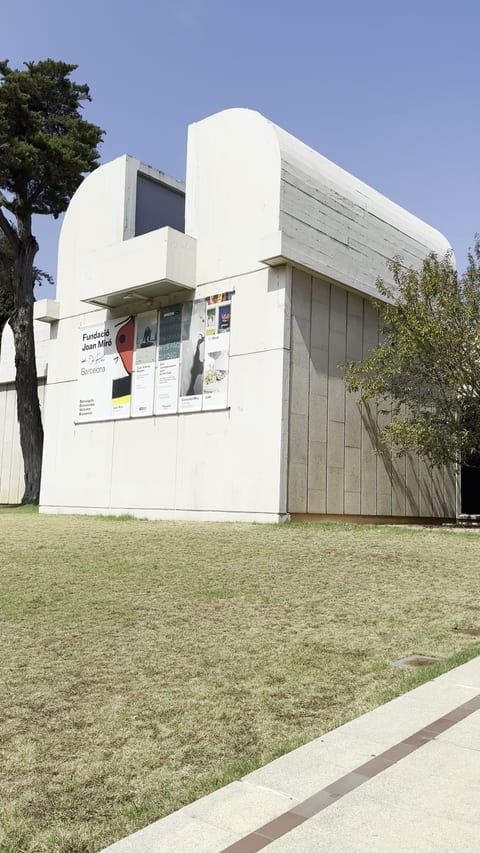
Ride up from the harbor on the Port Cable Car rather than taking the metro, which is half the point. Near the top, the Barcelona Botanical Garden is the part I would least want to skip, terraced beds of Mediterranean-climate plants with the city and the sea spread out below. Fundació Joan Miró is right there, and tucked inside it is the Calder Mercury Fountain, a strange, quiet piece with real mercury running over dark metal behind glass. When you want a drink with the view, Salts is the terrace bar to aim for, and Montjuïc Castle at the top gives the wide look back over the port.
Barcelona's main sights use timed entry, so book ahead. Get Sagrada Família and Park Güell first. Casa Batlló and La Pedrera sit on the same Passeig de Gràcia stretch, and the Picasso Museum belongs with an old-city walk. Group them by location instead of crossing the city between reservations.
I do not eat on La Rambla. Walk at least a block off it before picking a place. In Poblenou I stick to Rambla del Poblenou and the side streets around it, and take the L4 back rather than eating beside the big sights.
Barcelona's own beaches are fine for a swim between sights, but the better water is out of town if you have the days for it. Montserrat is the day trip most people add, a Benedictine monastery set in a serrated massif about an hour out on the R5 train from Plaça Espanya, then the rack railway or cable car up to it. A lot of trips get built around seeing it.
For beaches, the rocky calas up the Costa Brava to the north are the ones to chase if you can drive, small coves with clear water. Without a car, Sitges is the easy call, 35 to 40 minutes south on the R2 Sud from Sants, with real beaches, a compact old town, and restaurants by the station. Penedès wine country, Girona, and Tarragona all sit inside an hour or so by train as well.
Pickpockets and snatch theft
Barcelona is not a violent city, but crimes of opportunity are real, especially on La Rambla, in the Gothic Quarter, and on crowded metro cars. The classic move is distraction: one person bumps you or asks a question while a second goes for the phone or wallet.
Don't leave your phone on the table at a cafe or bar. It is the easiest thing in the world to snatch off an outdoor table and walk.
Keep your bag in front of you in a crowd, and loop the strap around your leg or the chair when you sit down in a busy spot.
Phone in a pocket when you are not using it. Don't navigate with it out on La Rambla.
Cards in a different pocket from the wallet, cash in a third.
If a block feels off, keep moving. Don't stop in the middle of the street to check the map.
How do I get to Montserrat from Barcelona?
Take the R5 train from Plaça Espanya, about an hour, then the rack railway or the cable car up to the monastery. The Benedictine abbey sits inside the serrated Montserrat massif, and the basilica and the mountain paths are the reasons to go. It is one of the most common day trips out of the city.
Are the pickpocket warnings in Barcelona real?
Yes. Barcelona is not a violent city, but crimes of opportunity are common on La Rambla, in the Gothic Quarter, and on crowded metro cars. Do not leave your phone on an outdoor table, keep your bag in front of you and looped to your chair in crowds, and keep the phone in a pocket when you are not using it.
Is Barcelona difficult on Sundays?
It can be if you were counting on markets or shops, since many food markets like La Boqueria and Santa Caterina, plus a lot of ordinary shops, close on Sunday. The Gaudí sites and major museums stay open on timed tickets, so point a Sunday at a prebooked sight, Montjuïc, or the beach.
How does Sitges work as a day trip from Barcelona?
Sitges is 35 to 40 minutes south on the R2 Sud from Sants, with real beaches, a compact old town, and restaurants near the station. It is the easy beach escape if you are not driving. For the rocky calas up the Costa Brava to the north, you really want a car.
 +2
+2
 +1
+1
 +2
+2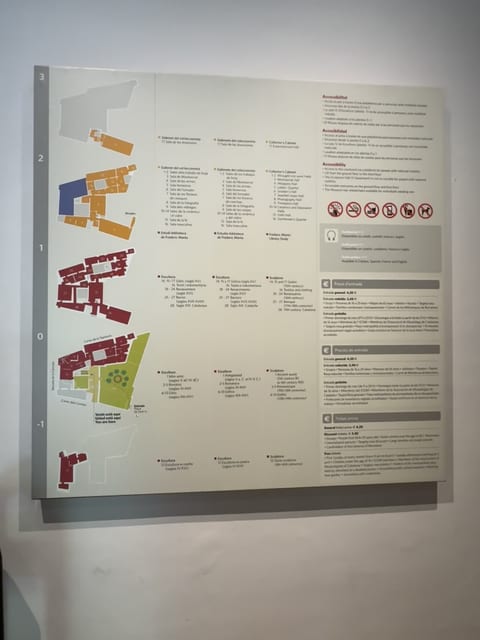
 +1
+1 +2
+2 +1
+1 +3
+3 +1
+1 +1
+1 +5
+5 +2
+2 +2
+2 +2
+2
 +4
+4