Arte culinario Jardín Japonés (Restaurante)restaurant
Hotel Pulitzer Buenos Aireshotel
Plan Buenos Aires
Current conditions and the practical reference material that helps turn the saved places into a trip.
The next week in Buenos Aires
7-day forecast from Open-Meteo. UV badges flag days when sun protection matters (3 and above is moderate; 8 and above is risk territory for unprotected fair skin within 30 minutes).
Today
Overcast
15° / 11°
Wed
Drizzle
14° / 12°
1.3 mm
Thu
Showers
14° / 9°
19.2 mm
Fri
Clear
13° / 5°
UV Moderate
Sat
Clear
13° / 7°
UV Moderate
Sun
Partly cloudy
13° / 4°
UV Moderate
Mon
Partly cloudy
11° / 3°
UV Moderate
Climate
Summer (Dec-Mar)
Typical highs around 26°C, lows around 21°C. Also the wettest months.
Winter (Jun-Sep)
Typical highs around 15°C, lows around 10°C.
In August 4
Drag to scrub across the year.
JFMAMJJASOND
Weather
15° / 10°
Typical high / low
2 mm rainfall this month
Daylight
10.8h
07:34 – 18:22local
Holidays coming up
Public holidays from Nager.Date.
Airports
closest AEP · 6 km
Getting around Buenos Aires
Public-transit operators within 8 km of the city center. Click through to each operator’s site for routes, fares, and tickets.
Operators and modes are aggregated from individual transit-agency GTFS feeds. Route classifications come from each feed’s route type codes.
About Buenos Aires
Buenos Aires is the capital and largest city of Argentina, on the southwestern shore of the Río de la Plata estuary. The city proper has a population of about 3.1 million; the metropolitan area, Gran Buenos Aires, is roughly 16 million and is among the largest in the Americas. The city was established in two foundings, an abandoned settlement in 1536 and a permanent one in 1580 by Juan de Garay, and was made the capital of the Viceroyalty of the Río de la Plata in 1776. Independence from Spain was declared in 1816, followed by long internal conflict, late 19th-century European immigration, and 20th-century political turbulence including Peronism and the 1976 to 1983 military dictatorship. Today Buenos Aires is the principal economic, publishing, and cultural center of Argentina and is classified as an Alpha global city.
The links below support the changing or licensed reference material on this page. Personal notes and ordinary geographic facts are not footnoted individually.
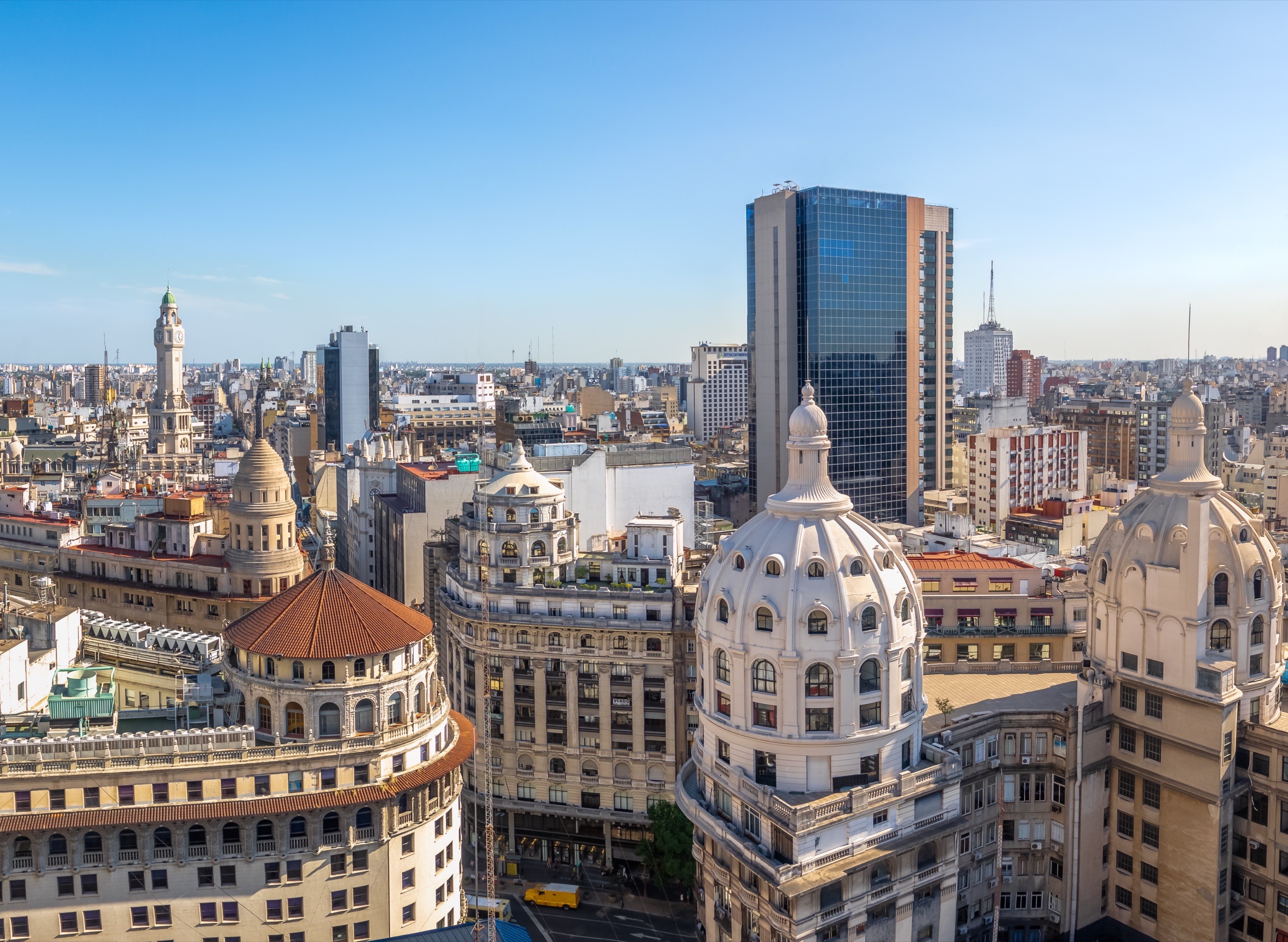
Buenos Aires is too large for one central route. Palermo alone is several neighborhoods. Recoleta and Barrio Norte blend into the grand avenues around the center. San Telmo changes from residential streets to market crowds, and Puerto Madero is a modern waterfront laid over the old docks.
I plan the city by neighborhood, then use the Subte, bus, train, or a car between those areas.
Planning brief
Finding your way around Buenos Aires
Buenos Aires spreads along the Río de la Plata. Palermo and Recoleta sit north of the center, San Telmo and La Boca lie south, and Puerto Madero occupies the redeveloped docks to the east.
Plan by neighborhood
Buenos Aires is too large to treat as one walking center. Group Palermo and the parks, Recoleta and Barrio Norte, the central avenues, and San Telmo into separate routes.
AEP and EZE are different airports
Aeroparque is beside the city and handles many domestic and regional flights. Ezeiza is outside the urban core and carries most long-haul service.
SUBE still joins the network
The Subte, buses, and suburban trains cover different parts of the city. A SUBE card works across them while contactless payment continues to expand.
Dinner often starts late
Many kitchens and dining rooms come alive later than in North America or northern Europe. Check the restaurant's actual hours before assuming an early table exists.
Aeroparque Jorge Newbery (AEP) sits beside the river and close to Palermo and Recoleta. It handles domestic flights and many regional international routes. The location can remove a long transfer from the journey.
Ezeiza (EZE) is the main long-haul airport outside the city. Road traffic controls the transfer time. Official taxis, pre-booked remises, airport buses, and ride-hailing services all operate, so I compare the current fare and pickup instructions after landing rather than rely on an old price table.
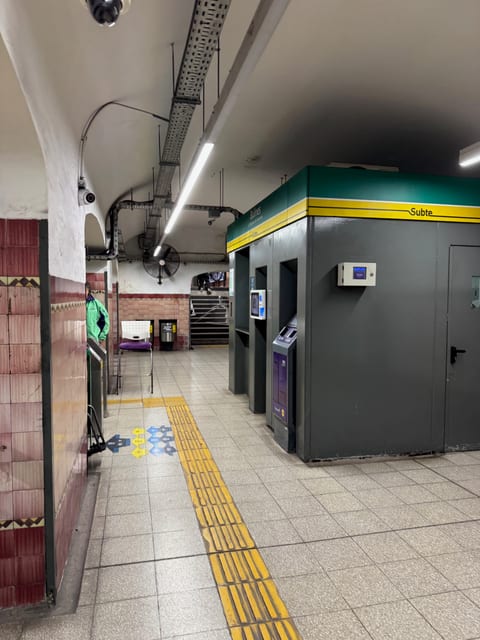
The Buenos Aires Subte covers the central corridors. Buses fill most of the gaps, and suburban trains reach places including Tigre. A SUBE card works across the network. Subte stations now accept contactless cards, NFC devices, and QR payments, but I still keep SUBE available because it works across the wider network.
Palermo and Villa Crespo
Palermo is where many of my food pins cluster, but the name covers a large area. Soho and Hollywood have the restaurants, bars, shops, and heavy weekend foot traffic. Palermo Chico and the parks feel greener and more formal. Villa Crespo begins west of the busiest Palermo streets and feels more residential.
Kajue Café is one of my regular morning choices because it will serve a real meal early. If I want coffee with a hamburger or something substantial, I am not restricted to a light pastry breakfast. The dining room is small, and seats can disappear on Saturday and Sunday mornings.
Kajue works when I want coffee and a full meal early.
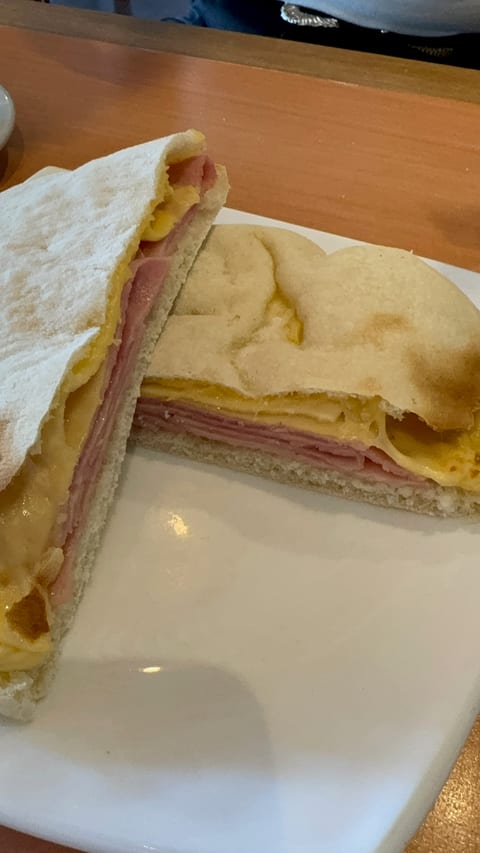
Martineta Bar has become my beers-and-tapas stop in this part of the city. Accademia Villa Crespo is a lower-key neighborhood café with good croissant sandwiches and a comfortable dining room.
Niño Gordo is the trendy dinner. The flavors are strong, prices are high for Buenos Aires, and service can stretch across long pauses between dishes. Go when you want to sit with the meal rather than rush onward. Take cash for the tip because service may not be payable on a foreign card.
Recoleta, Barrio Norte, and the center
Recoleta is the museum, cemetery, park, and grand-apartment side of the city. From there, walking southeast through Barrio Norte brings you toward Avenida Santa Fe, the bookshops, theaters, and central avenues.
Jardín Japonés gives you a landscaped break from the tall buildings near the Palermo parks. I found admission a little expensive for its size, but the garden is pleasant and the change in scale is real.
Palacio de Aguas Corrientes looks like an ornate European palace, but it was built around enormous water tanks in the late 19th century. Its ceramic-covered exterior is one of the best explanations of Buenos Aires at street level: public infrastructure dressed as civic architecture.
Palacio de Aguas Corrientes hides a piece of the old water system behind this facade.
Teatro Colón stands near Avenida 9 de Julio. Check the performance and guided-tour calendar if you want to see the interior. Farther east, Plaza de Mayo, the Casa Rosada, and the old financial streets lead toward Puerto Madero.
San Telmo, La Boca, and Puerto Madero
San Telmo has old residential buildings, antique shops, bars, and the market around Defensa. Sunday brings the largest street-market crowds. On other days, the same streets are easier to read as a neighborhood.
La Boca sits farther south. Caminito is the small, heavily visited area of painted buildings and tango imagery. Outside that compact tourist zone, do not wander with a phone out while following a map. Use a car when the route is unclear.
Puerto Madero is the redeveloped dock district. The water, brick warehouses, new towers, and large hotels feel separate from the older center. The Hilton Buenos Aires is on my map and I have photographs there, but I keep it here as orientation rather than current hotel advice.
Parrilla, bars, and the restaurants I know
Don Julio is a special-occasion restaurant for me, especially when friends or family visit the city. Prices are high, and it is no longer the bargain described in older travel writing. The service, room, wine, and parrilla still make the whole experience memorable. Reserve through the official system rather than planning around the sidewalk queue.
Ribs al Río was expensive and very greasy, but the food was good. Presidente Bar is the photogenic cocktail room. It was one of the few Buenos Aires places that struggled with my foreign card, so I carry cash there.
At the ordinary end of the map, Frutería Luis is a normal fruit shop with an excellent cat. That is a more useful picture of living in Buenos Aires than another list of famous restaurants.
Tigre and Puerto de Frutos
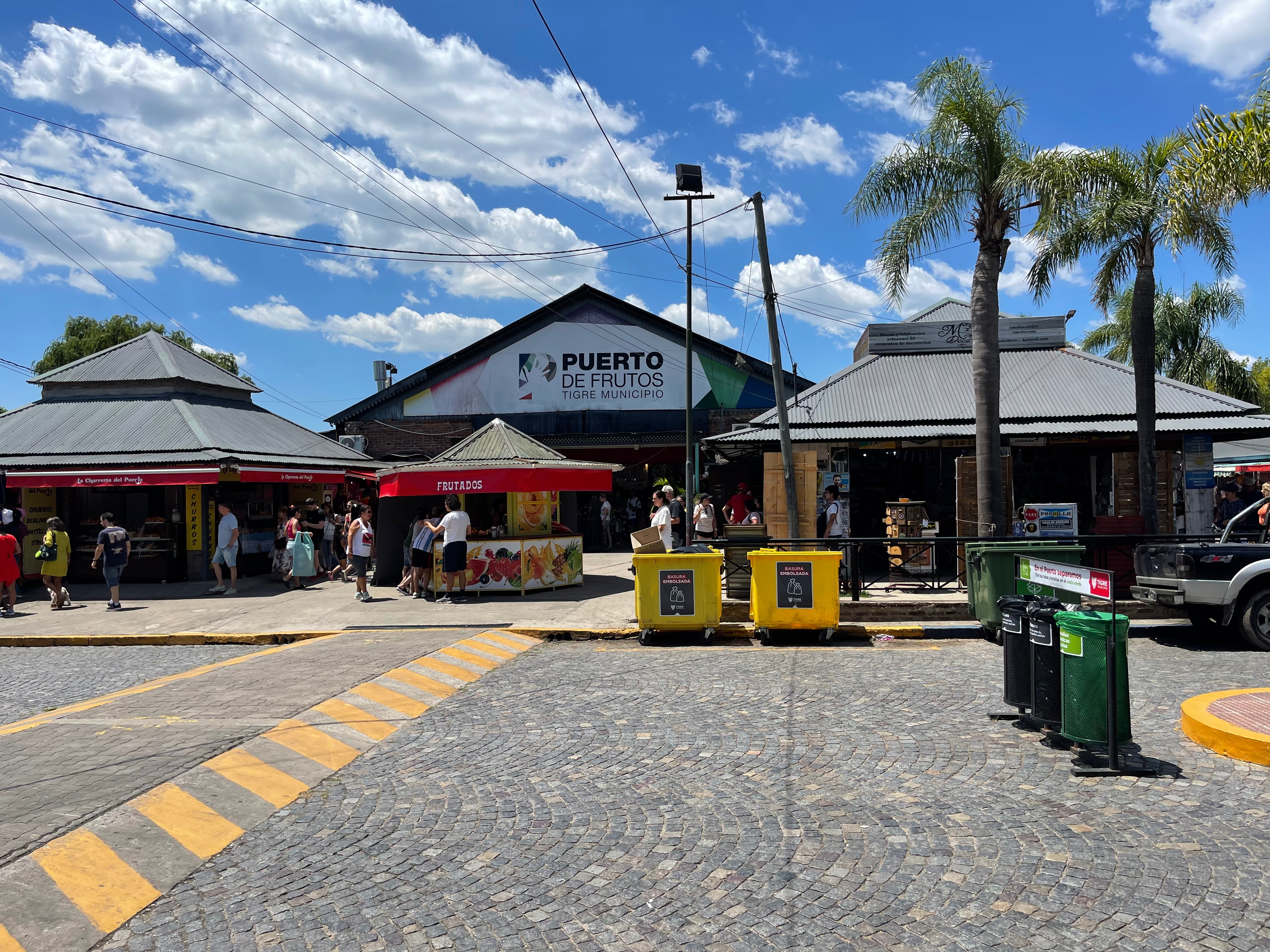
Puerto de Frutos in Tigre is one of my favorite ways to get out of central Buenos Aires. It is a spread-out market of kiosks, shops, and restaurants beside the delta. I have gone by train and by car.
The market sells homewares, mate equipment, leather, knives, plants, furniture, food, and the kind of things that do not fit into a small souvenir shop. Many vendors prefer cash or debit, so I do not rely only on a foreign credit card.
Puerto de Frutos spreads along the Tigre waterfront rather than fitting inside one market hall.
Tigre is also the entry point to the Paraná delta. Public and tour boats leave for the channels, islands, and houses built around river access. The train from Retiro makes the market possible without a car.
Walking with a phone
The recurring street problem in Buenos Aires is opportunistic theft, particularly a phone held near the curb or left on an outdoor table. Keep it away when it is not needed, step inside a doorway to check a route, and use a bag or zipped pocket on crowded transport.
That does not make the city a no-walking zone. I walk it constantly. The adjustment is to pay attention to the block, keep expensive objects out of reach, and use a car when a late route or unfamiliar edge of a neighborhood feels wrong.
Quick answers
Which Buenos Aires airport should I use?
Choose the flight first, but prefer Aeroparque when comparable domestic or regional options exist because it sits beside the city. Ezeiza handles most long-haul arrivals and requires a longer road transfer.
Which neighborhood should I stay in?
Palermo works for restaurants and leafy residential streets. Recoleta gives easier access to museums and the grander northern center. Puerto Madero has large hotels and a modern waterfront. Choose around where you expect to spend your evenings.
How do I pay for public transport?
A SUBE card remains the common payment method across buses, Subte, and suburban trains. Bank-card and phone payment has been expanding, but availability can vary by operator and station.
What should I watch for while walking?
Phone snatching and opportunistic theft are the practical concerns. Keep a phone off café tables and away from the road edge, especially around busy transport and tourist areas.
 +1
+1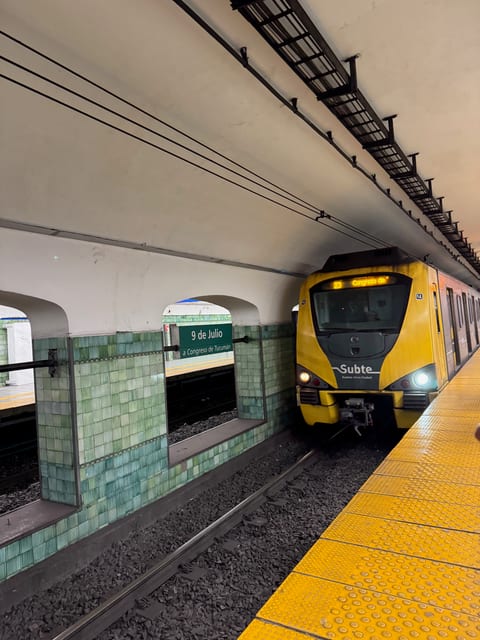 +4
+4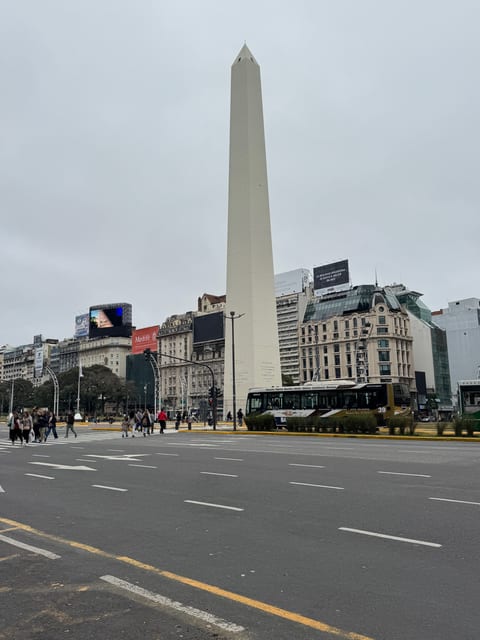
 +5
+5 +1
+1 +3
+3 +3
+3 +6
+6 +5
+5 +2
+2 +1
+1

 +1
+1 +1
+1 +2
+2 +2
+2 +1
+1