Photos from Milan
 +1
+1Milano Centraletransit

Panfuwarestaurant
 +1
+1CityLife Shopping Districtshopping
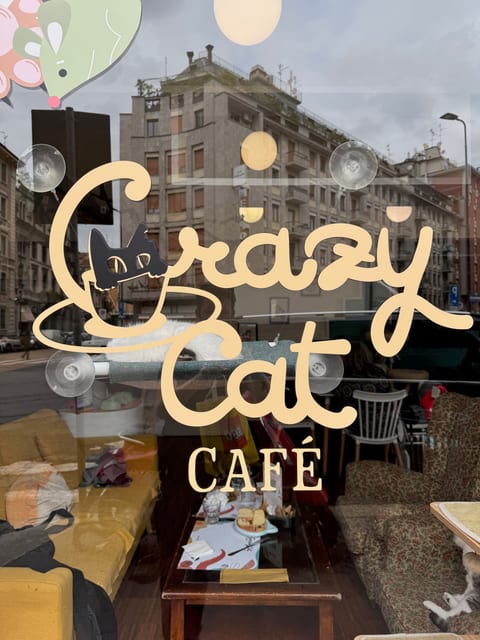
Crazy Cat Caférestaurant
 +2
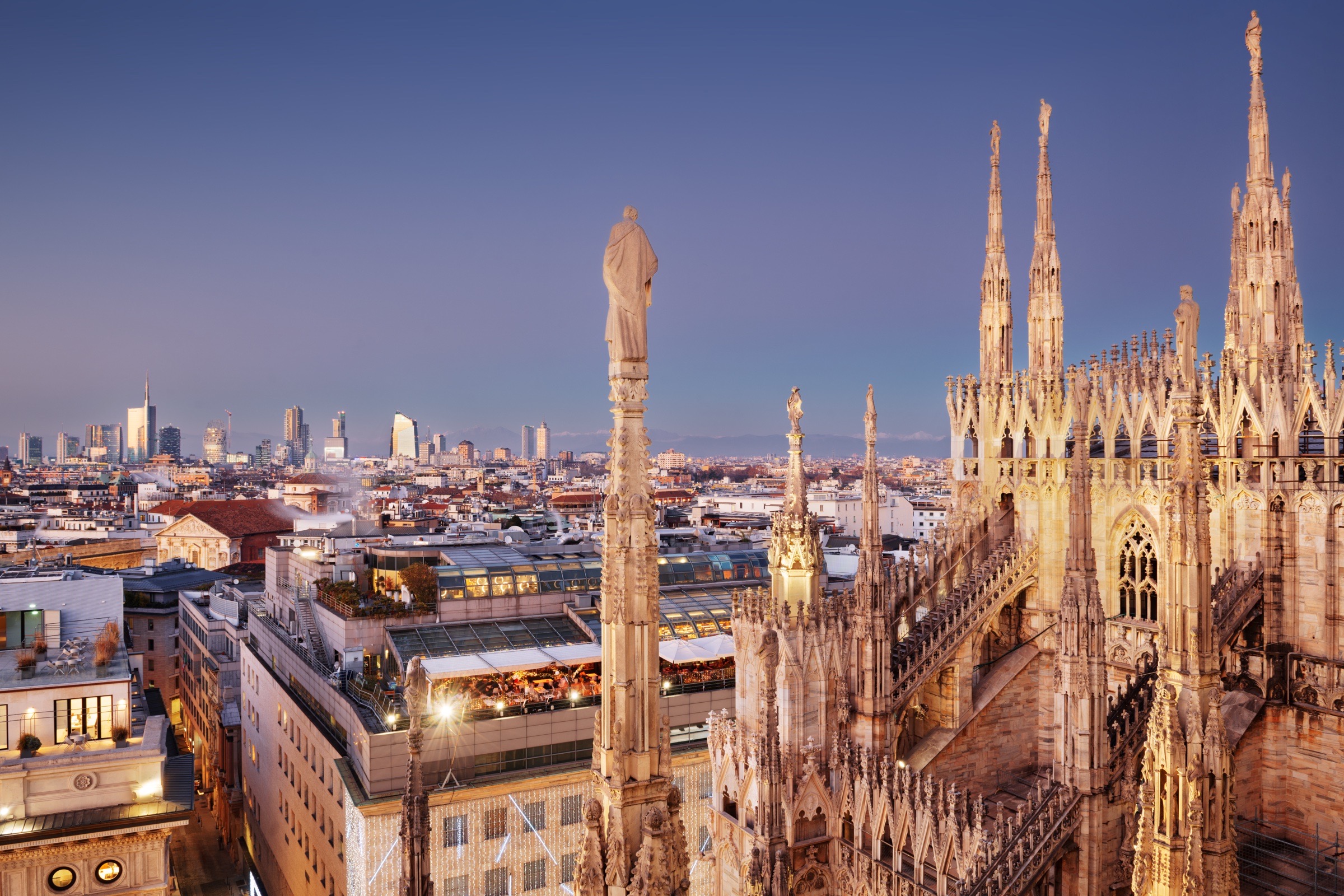
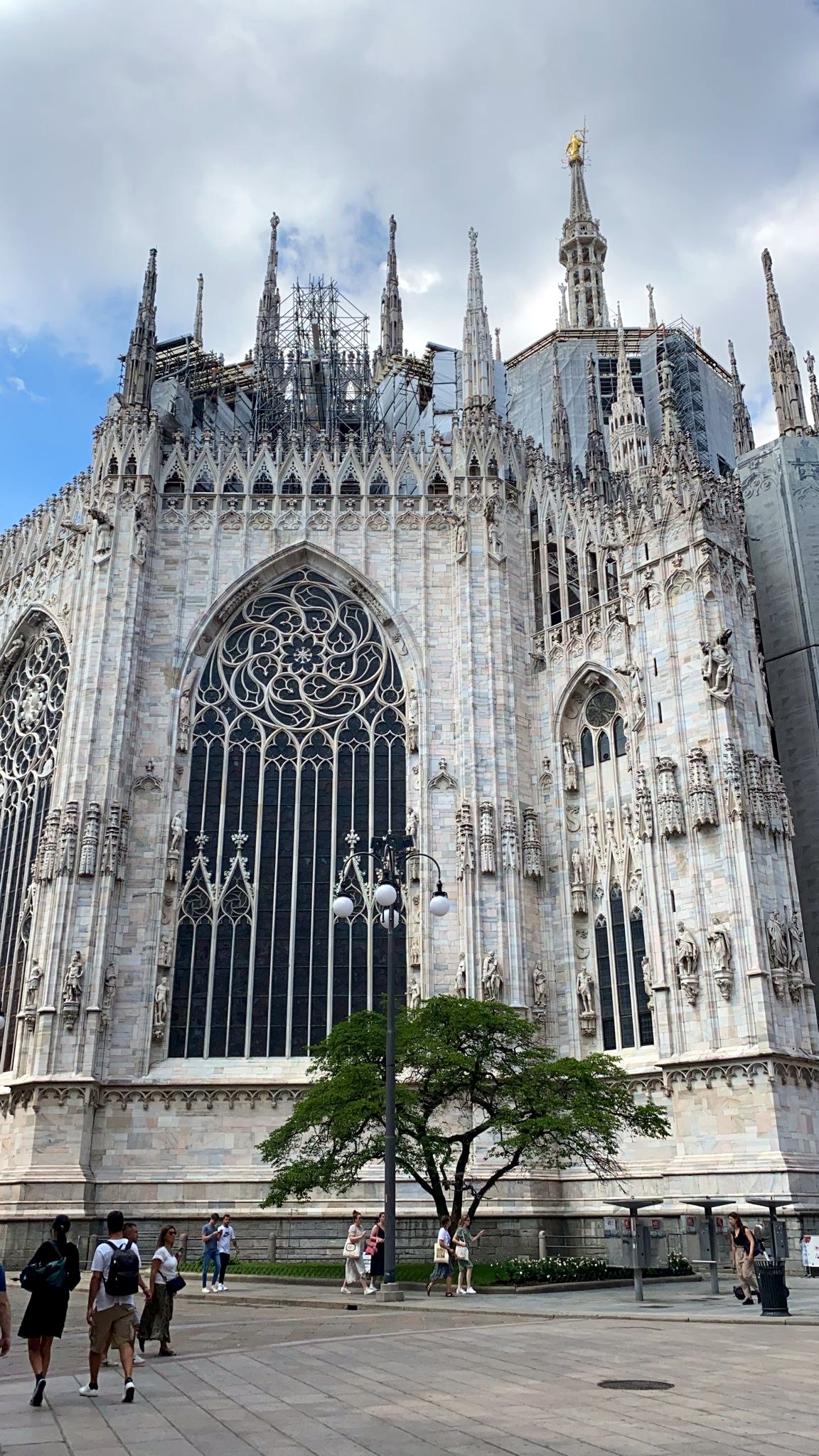
+2Duomo di Milanoattraction
 +1
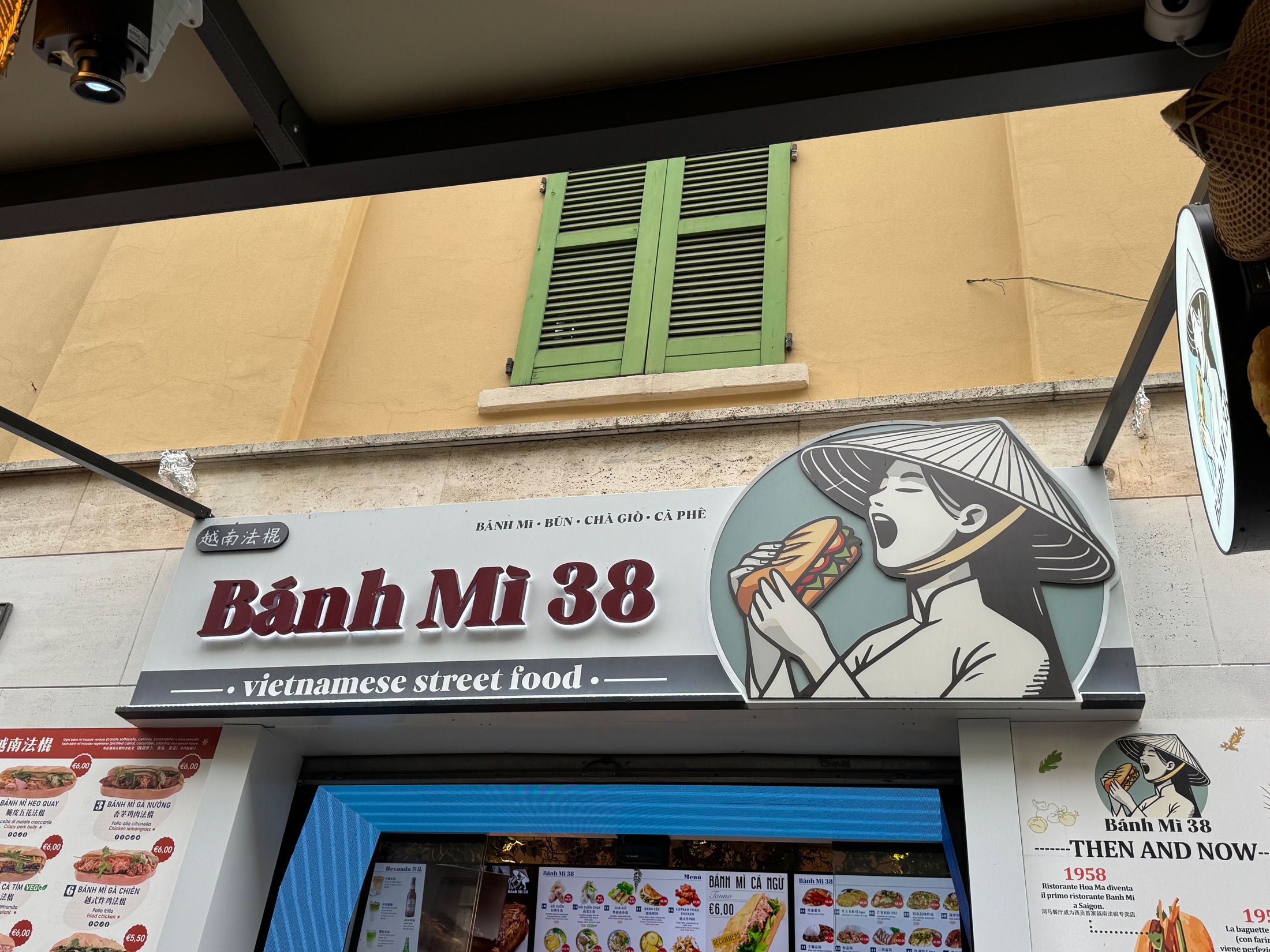
+1Bánh Mì 38restaurant

INNSiDE by Meliá Milano Torre GalFahotel

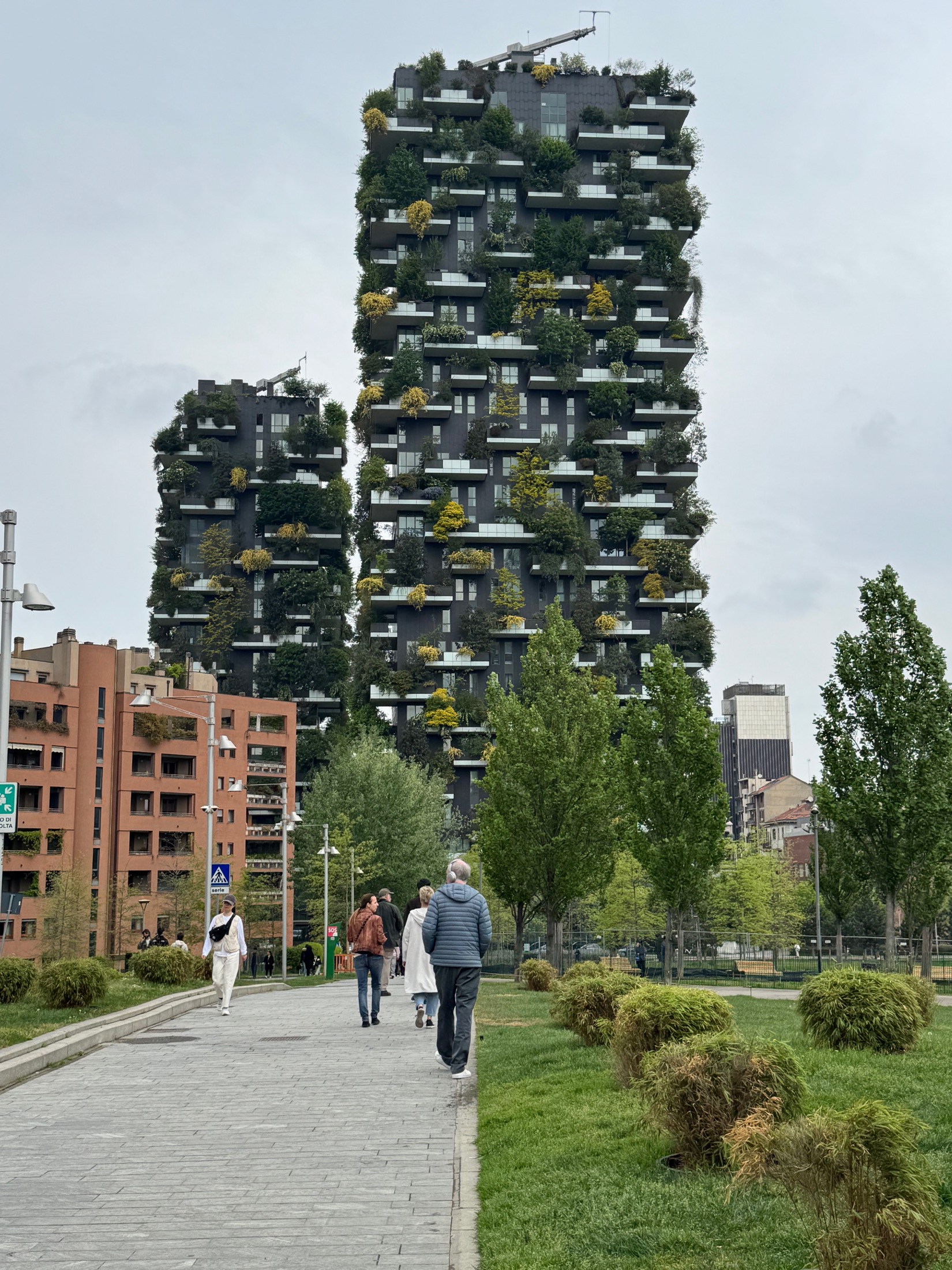
Bosco Verticaleattraction
+1+1+2+1Current conditions and the practical reference material that helps turn the saved places into a trip.
7-day forecast from Open-Meteo. UV badges flag days when sun protection matters (3 and above is moderate; 8 and above is risk territory for unprotected fair skin within 30 minutes).
Typical highs around 27°C, lows around 17°C.
Typical highs around 7°C, lows around 0°C.
Public holidays from Nager.Date.
Public-transit operators within 8 km of the city center. Click through to each operator’s site for routes, fares, and tickets.
Milan is the regional capital of Lombardy, in northern Italy, and the seat of the Metropolitan City of Milan. It is the second-most populous city in Italy after Rome, with a population of 1,362,863 in 2026. The city's wider metropolitan area is the largest in Italy, and the fourth-largest in the European Union, with an estimated population of 6.55 million. Milan is considered Italy's economic capital, and its metropolitan area accounts for about 20% of the country's GDP.
The links below support the changing or licensed reference material on this page. Personal notes and ordinary geographic facts are not footnoted individually.
Monthly highs, lows, rainfall — long-term averages, NASA POWER.
Operators and modes are aggregated from individual transit-agency GTFS feeds. Route classifications come from each feed’s route type codes.
Maps, image licenses, and the full dataset registry are listed in site credits.
My Milan travel guide. Fashion Week, Salone del Mobile, the Duomo and the Last Supper, aperitivo, and getting in from MXP on the Malpensa Express.
Milano
Milan is northern Italy's working capital, a design-and-finance city more than a tourist one, with a small historic core and a dense modern side. It is the home of aperitivo, the Duomo, and the Last Supper. Lake Como and the Bernina Express are separate rail routes from the city.
Milan Milan Malpensa (the main international gateway) (MXP) is served by three airports. Malpensa (MXP) is the main international gateway, Linate (LIN) is the closer city airport for European flights, Bergamo Orio al Serio (BGY) is the low-cost option further out.
| Mode | Time | Cost | When to use |
|---|---|---|---|
| Malpensa Express train | 50 to 60 min | €13 to €16 single | The default. Direct from MXP to Milano Centrale or Cadorna. Runs every 30 minutes |
| Linate Metro M4 | 15 to 20 min | €2.20 single (city ticket) | If you are flying into Linate (LIN). The M4 blue line connects directly to the city center |
| Malpensa Shuttle bus | 60 to 80 min | €10 single | Cheaper than the train. Runs from MXP to Milano Centrale every 20 to 30 minutes |
| Uber Black / taxi | 50 to 80 min | €95 to €120 from MXP, €25 to €40 from LIN | Italy's Uber market is licensed-driver only. Taxis run a real meter. Agree the flat rate to MXP only on confirmed schedules |
A warning on Linate: on the few outbound flights I have run through LIN, security has taken closer to 90 minutes than the 15 it should. Build a real buffer if you are flying out from Linate.
Inside the city, the Milan Metro is the layer to learn before you start trying to optimize trams or buses. It covers the Duomo, Cadorna, Centrale, Porta Venezia, San Babila, and the airport-style Linate connection.
Milan's calendar is built around industry weeks more than civic festivals. The practical rule is simple: avoid Salone del Mobile and Fashion Week unless you are coming for them.
| Event | When | What it changes |
|---|---|---|
| Salone del Mobile / Design Week | Mid-April | Milan's most expensive hotel week. Book far ahead or move the trip |
| Milan Fashion Week | January, February, June, September | Press and trade crowds fill central hotels, especially near Brera and the fashion district |
| Festa di Sant'Ambrogio | December 7 | City holiday, La Scala opening night, and the Oh bej! Oh bej! Christmas market |
| EICMA motorcycle show | Early November | Rho and M1-line hotels fill. Central Milan feels it less |
| Ferragosto | August 15 | Hot and quiet. Many small restaurants and shops close as Milanese leave town |
The mistake is to make Milan a one-sight city. The Duomo anchors the visit, but the better second walk is north through Brera, Porta Nuova, and Isola, where the city feels like design, finance, and daily life rather than another stop on the Roman-ruin circuit.
| Spot | Why | Notes |
|---|---|---|
| Duomo di Milano | The check-the-box visit and the city's anchor | Take the terrace tour and use the stairs. The next-day soreness is the reward. The terrace gets you up among the spires for the view that the ground-level photo cannot match |
| Porta Nuova and Isola | The modern Milan counterweight | Walk north from Brera toward Piazza Gae Aulenti, Bosco Verticale, and Isola. It is the easiest way to understand Milan as a design-and-work city instead of only a cathedral stop |
Milanese food has its own style inside Italian cooking: risotto alla milanese (saffron), osso buco, cotoletta alla milanese (the breaded veal cutlet), and the panettone at Christmas. Aperitivo is the cultural fact. Most bars between 18:00 and 21:00 serve a small-plate spread with a €10-€15 drink. The picks below mix the casual evening rotation.
| Spot | Why | Notes |
|---|---|---|
| Quore Italiano Duomo | The aperitivo pick by the cathedral | Tourist-oriented, in the tourist area, no cover, and meaningfully cheaper than the obvious neighbors. Drinks ran a touch slow on my visit |
| Crazy Cat Café | An afternoon with cats | The cats are soft and sweet. They nap a lot, the active ones are usually still around |
| All'Antico Vinaio | The Florentine sandwich chain | Pinned |
| Balticbar | Cocktails | Pinned |
| Bánh Mì 38|越南法棍 | Vietnamese sandwich | Pinned |
| CasaVietnam | Vietnamese sit-down | Pinned |
| Cesarino | Italian | Pinned |


