


📷 Benh LIEU SONG (Flickr)· CC BY-SA 4.0Sydney - The Harbour City | Sydney - The Harbour City
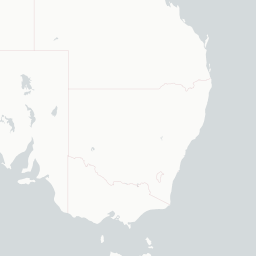
Sydney is the capital city of the state of New South Wales, and is the most populous city in Australia. Located on Australia's east coast, the metropolis surrounds Sydney Harbour and extends about 80 kilometres (50 mi) from the Pacific Ocean in the east to the Blue Mountains in the west, and about 80 kilometres (50 mi) from Ku-ring-gai Chase National Park and the Hawkesbury River in the north and north-west, to the Royal National Park and Macarthur in the south and south-west. Greater Sydney consists of 658 suburbs, spread across 33 local government areas. Residents of the city are colloquially known as "Sydneysiders". The estimated population in June 2025 was 5,638,830, which is about 66% of the state's population. The city's nicknames include the Emerald City and the Harbour City.
Wikipedia →Summary excerpted from the Wikipedia article Sydney, licensed under CC BY-SA 4.0. Text may be clipped or paraphrased to fit this page.
Visit Sydney for music, theater, and performance, markets, streets, food, and public squares, landscape, water, gardens, and nearby routes. The value of Sydney is clearest when museums, streets, religious buildings, markets, food, and nearby landscape are read together. A good itinerary should stay selective. In Sydney, start with one strong anchor, then add a nearby walk, cafe, market, church, museum, bookshop, or evening event where the city supports it. That gives Sydney room to show itself without turning the day into unrelated stops. Use the surroundings of Sydney deliberately: they should clarify the place, not simply add movement.
Do not visit Sydney expecting every useful stop to be close together or easy to improvise. In Sydney, a good plan starts with the constraints, not with the number of sights. Keep Sydney practical: fewer cross-town moves, confirmed hours, and paid transport when it saves time or reduces friction. If the main interest is one nearby site, it may be better to treat Sydney as a base rather than the whole destination.
December through February are the months when heat and daylight most affect a visit to Sydney. Warm weather in Sydney can be useful, but humidity and storms may decide the pace. For Sydney, put the exposed material first, move indoors later, and save evening for walks, food, or performance. For Sydney, check hours first; a continuous route can fail if one anchor closes early.
June through August are the cooler or wetter period in Sydney. Use the cooler months in Sydney for performances, museums, and neighborhood walking rather than heat-managed sightseeing. In Sydney, comfort depends less on temperature alone than on rain, wind, snow, daylight, and whether services are reduced. Sydney can still be rewarding in this period if interiors and compact walks carry the day. For Sydney, shorten exposed walks, verify opening times, and avoid making a late or wet return depend on weak transport links.
7-day forecast from Open-Meteo. UV badges flag days when sun protection matters (3 and above is moderate; 8 and above is risk territory for unprotected fair skin within 30 minutes).
Monthly highs, lows, and rainfall (long-term averages, NASA POWER).
4 commercial airports within 100 km. Closest is Sydney Kingsford Smith International Airport (SYD) at 9 km.
Public-transit operators within 8 km of the city center. Click through to each operator’s site for routes, fares, and tickets.
This page blends public reference data, climate/elevation services, and personal notes. Travel requirements can change, so visa and entry details should be checked again before booking.
Summary, canonical article, and some image fallbacks.
Population, area, image, coordinates, and linked identifiers where available.
Monthly temperature and rainfall climatology.
1991-2020 temperature and precipitation cross-check for compact climate fields.
Coordinate-based elevation backfill.
Coordinate-based IANA timezone lookup.
Public domain, City of Sydney / derivative work: Squiresy92.
Global source notes, map tiles, flags, licenses, and attribution policy.
Operators and modes aggregated by TransitLand from individual transit-agency GTFS feeds. Route classifications (subway / tram / rail / bus / etc) come from each feed’s GTFS route_type codes.
Upcoming public holidays in Australia. On these dates, expect banks, post offices, and government services to close. Many shops and museums close or run shortened hours; transit typically still runs.
Public holidays sourced from date.nager.at.