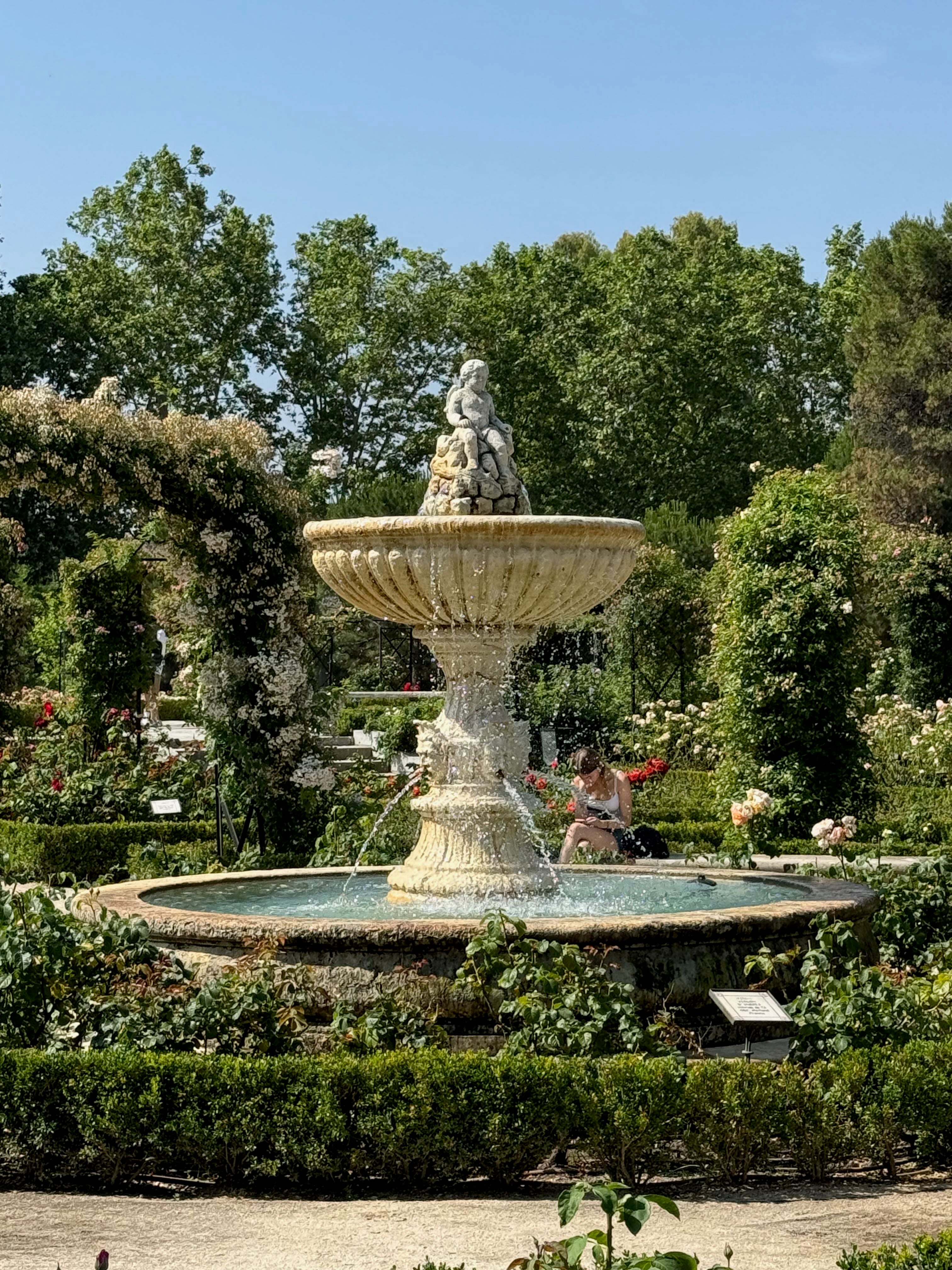
Paseo del Prado and Buen Retiro, a landscape of Arts and Sciencesattraction
+3
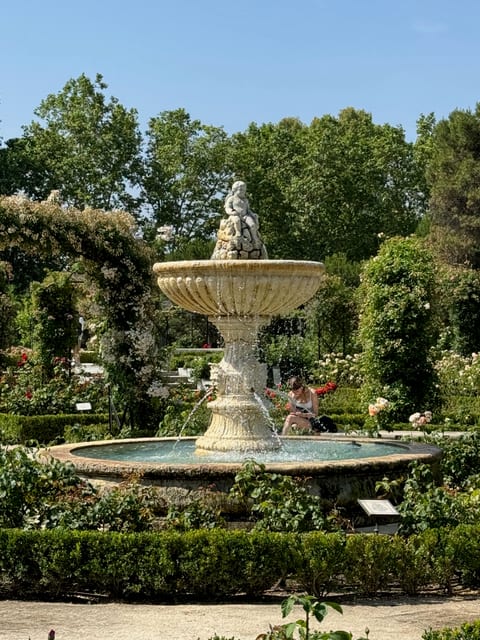
Rose Gardenpark
ADN Origen Perú by Jhosef Ariasrestaurant
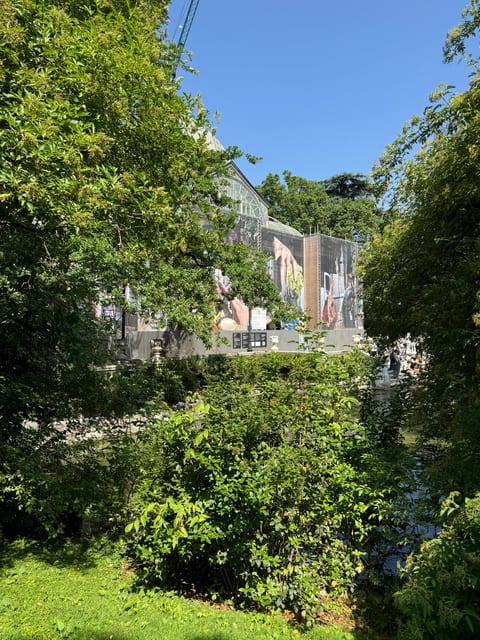
Palacio de Cristalattraction
+4
Iberia Dalí VIP Loungetransit
Puerta de Alcalá VIP Loungetransit
Estación Príncipe Piotransit
+1
Yatai Marketrestaurant
Plan Madrid
Current conditions and the practical reference material that helps turn the saved places into a trip.
The next week in Madrid
7-day forecast from Open-Meteo. UV badges flag days when sun protection matters (3 and above is moderate; 8 and above is risk territory for unprotected fair skin within 30 minutes).
Today
Overcast
33° / 22°
UV High
Wed
Overcast
35° / 22°
UV High
Thu
Showers
36° / 23°
UV High
Fri
Partly cloudy
37° / 23°
UV High
Sat
Partly cloudy
35° / 23°
UV High
Sun
Partly cloudy
33° / 21°
UV High
Mon
Partly cloudy
36° / 21°
UV High
Climate
Cool and wet season (Oct-May)
About 85% of the year's rain falls in these months. Typical highs around 14°C, lows around 3°C.
Warmer dry season (Jun-Sep)
Typical highs around 31°C, lows around 15°C. About 17mm of rain a month.
In August 4
Drag to scrub across the year.
JFMAMJJASOND
Weather
33° / 17°
Typical high / low
0 mm rainfall this month
Daylight
13.8h
07:24 – 21:14local
Holidays coming up
Public holidays from Nager.Date.
Airports
closest MAD · 14 km
Getting around Madrid
Public-transit operators within 8 km of the city center. Click through to each operator’s site for routes, fares, and tickets.
Madrid is the capital and most populous city of Spain. It had a population of over 3.4 million in the city proper in 2025, and a metropolitan area population of approximately 6.8 million. Madrid is the second-largest city in the European Union (EU), after Berlin, and its metropolitan area is the second-largest in the EU, after Paris. The municipality covers an area of 605.77 square kilometres (233.89 sq mi). Madrid lies on the River Manzanares in the central part of the Iberian Peninsula at about 660 metres (2,170 ft) above mean sea level. The capital city of both Spain and the surrounding autonomous community of Madrid, it is the political, economic and cultural centre of the country.
The links below support the changing or licensed reference material on this page. Personal notes and ordinary geographic facts are not footnoted individually.
I keep coming back to Madrid, mostly to eat. A normal day starts with coffee or a pastry, one museum or park, a long lunch, and another walk before dinner.
The center runs from Retiro and Atocha in the east to the Royal Palace and Templo de Debod in the west. I use the metro rather than treating that as one continuous walk. Toledo, Ávila, Segovia, El Escorial, and Aranjuez are close enough to visit without changing hotels.
Planning brief
Planning Madrid
Central Madrid is easy to cover on foot, but not all at once. Plan one museum or park, stop for lunch, then continue into another neighborhood.
Keep each day compact
Put the Prado or Reina Sofía with Retiro and Atocha. Put the Royal Palace, Plaza Mayor, and Templo de Debod on a different day.
Arrive early for El Rastro
The street market officially runs from 9 am to 3 pm on Sundays and holidays. I arrive while sellers are setting up. By mid-morning, Ribera de Curtidores is packed.
Leave the famous square for dinner
Mercado de San Miguel is good for one drink, one snack, and a look at the building. I eat a full meal a few blocks away.
Use Madrid as a base
Toledo, Ávila, Segovia, El Escorial, and Aranjuez all work as day trips. Book the high-speed trains ahead when you need a specific departure.
My favorite window. Warm but not hot, longer days, terraces full. Book hotels early
Summer
July to August
Hot and dry, 35°C+ regularly. Many Madrileños leave town in August. Some restaurants close for vacation
Autumn
September to November
Warm days and cooler evenings. Hotels and restaurants stay busy
Winter
December to March
Cold but rarely below freezing, mostly dry. Christmas lights line Gran Vía. Plan museums and long lunches
Dates that change the city
San Isidro, Pride, Mad Cool, and FITUR affect hotel prices and crowds more than most Madrid events.
Event
When
What it changes
San Isidro
Mid-May
Patron-saint festival, Las Vistillas concerts, traditional dress, and Pradera de San Isidro picnics
Mad Cool Festival
Early July
Major music festival at Iberdrola Music. Chamartín and Las Tablas hotels book early
Veranos de la Villa
July and August
City-run summer concerts, theater, dance, and cinema
San Isidro bullfighting fair
Same May window
Major corridas at Las Ventas, sold through bullfighting channels
Three Kings Day
January 5 and 6
Evening parade, then holiday closures the next day
Madrid Pride
Late June or early July
Chueca, Gran Vía, and Malasaña hotels book heavily
Holy Week
Week before Easter
Center processions and holiday closures
FITUR
Late January
Tourism trade fair at IFEMA. Chamartín and IFEMA hotels fill
Getting in from the airport
Option
Cost
Best for
Watch out for
Official taxi (flat fare)
€33 to or from anywhere inside the M-30 ring
Luggage, late arrivals, two or more people
The fixed fare does not take supplements
Bolt or Uber
Variable
Light luggage, comparing the live price
Surge pricing can put it above the taxi
Metro Line 8 + transfer
A few euros
Light luggage
Most central hotels require a transfer
Cercanías commuter rail from T4
A few euros
Atocha, Recoletos, Nuevos Ministerios, or Chamartín
It only serves Terminal 4
With two suitcases, I take the taxi.
Transit notes
Central Madrid is walkable until crossing it for the third time gets old. I use the Madrid Metro between Gran Vía, La Latina, Atocha, Princesa, and the western side of Casa de Campo. Cercanías is better for Terminal 4, Chamartín, and some day trips.
Where to stay
Gran Vía and Callao put most of the center within walking distance, but the streets stay loud and busy. La Latina and Lavapiés have better food close to the hotel. Princesa is quieter, sits on the Metro, and usually costs less than a similar room downtown.
Spartan budget room, very cheap, fine to sleep between days out
Tight for two with luggage. The bathroom doors don't close all the way, so privacy is approximate. Use it as a bed, not a base
La Latina and Lavapiés have older buildings, more stairs, smaller hotels, and better food than the blocks around Gran Vía. If you stay near Callao, the El Corte Inglés rooftop gives you a wide view over the center. Camino Sacramento is in the same building.
Sunday at El Rastro
El Rastro is Madrid's Sunday flea market, centered on Ribera de Curtidores. The official hours are 9 am to 3 pm on Sundays and holidays. I arrive around 7:30, while sellers are setting up. By mid-morning the main lanes are packed. At that point I put my phone away and wait until I am on a quieter street to check the map.
Before the market, I get a paper cone of churros from Churrería Santa Ana. They are greasy, takeaway, and exactly what I want at that hour.
Some shops and restaurants close or keep shorter hours on Sunday. Check the rest of the day before you build it around the market.
Food stops I repeat
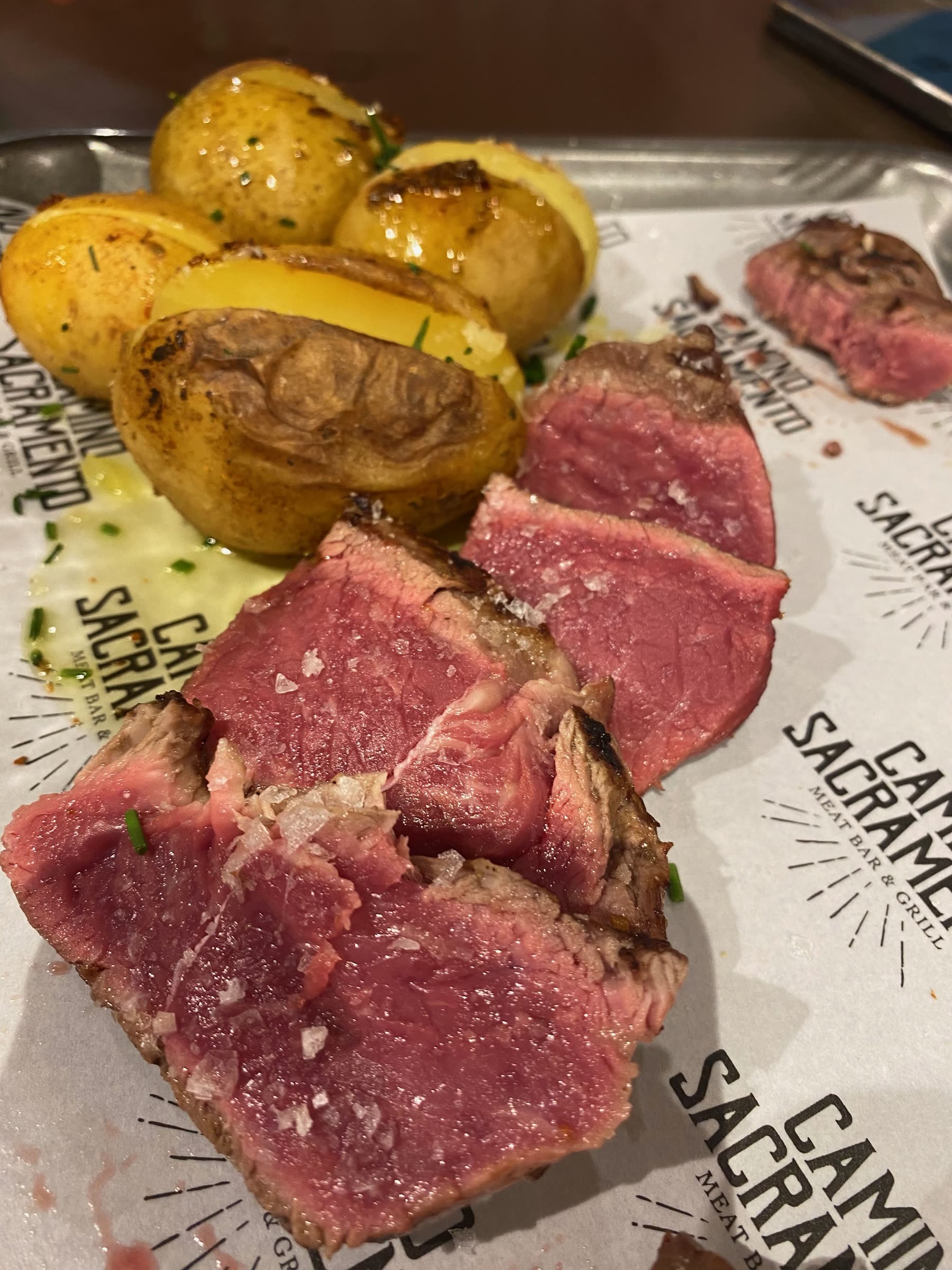
Steak and potatoes at Camino Sacramento. The meat is consistently good and the prices are fair for central Madrid.
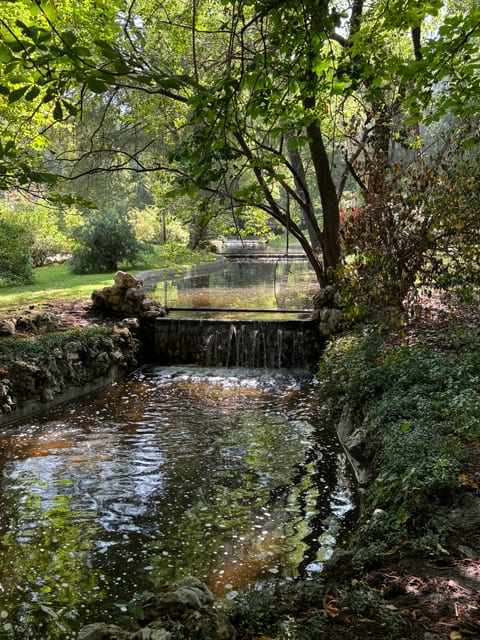
Most of my Madrid recommendations are within ten minutes of a famous square, not on it. I start an east-side day at Motteau Pasteleria, then go to the Prado or Reina Sofía before crossing into Retiro. At the lake, I either rent a boat or sit down with a beer or ice cream.
Sol, Plaza Mayor, and Mercado de San Miguel fit together on the other side of the center. I do not eat a full meal at San Miguel. I have a beer or one snack, look at the iron market building, then leave. El miniBAR is my nearby tapas choice. Camino Sacramento, closer to Callao, does simple steak and potatoes.
The Prado and Reina Sofía cover different periods. The Prado is the large classical collection. Reina Sofía covers modern and 20th-century art. If I only have time for one, I go to Reina Sofía.
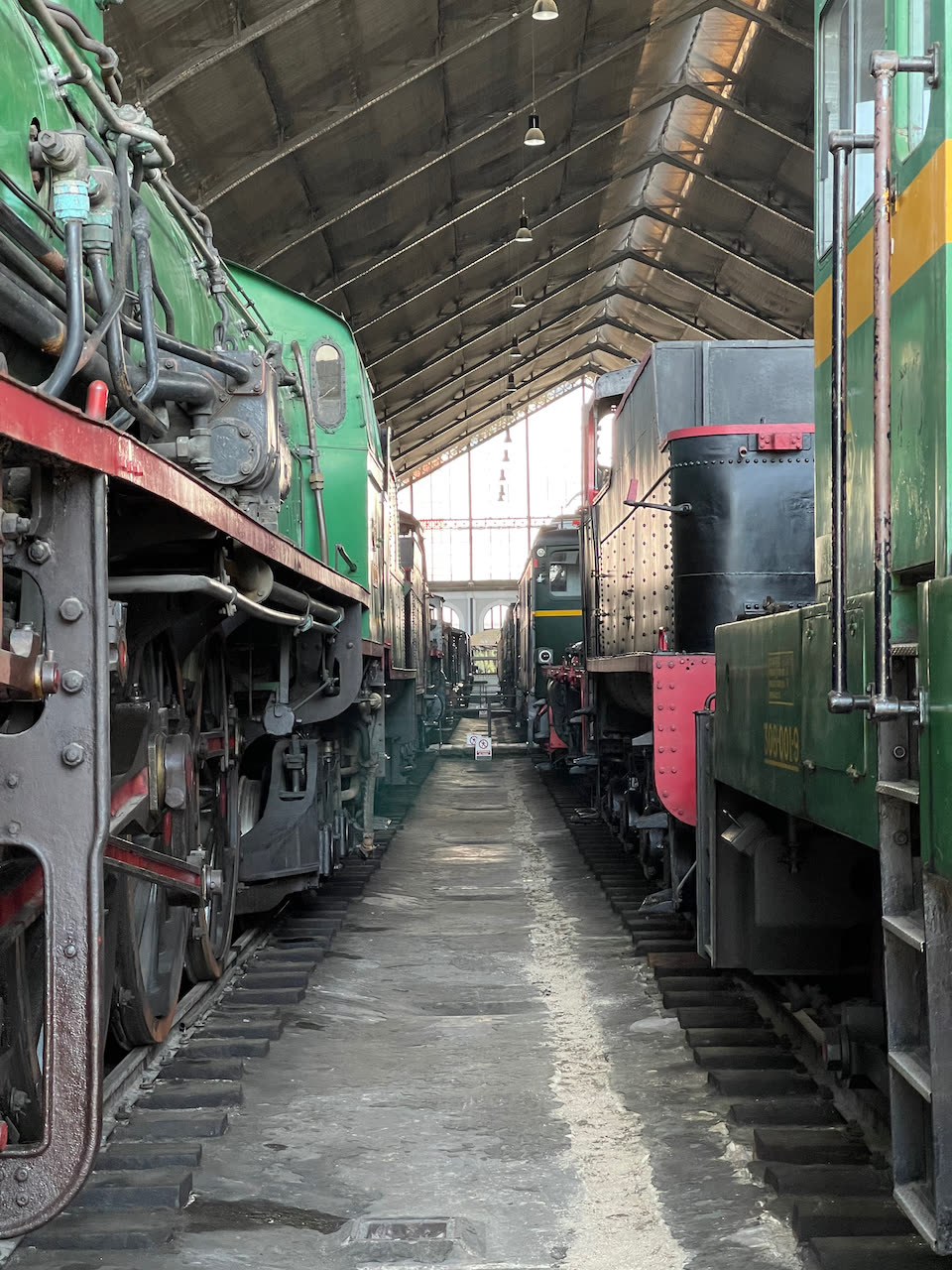
The railway museum fills the old Delicias train shed with locomotives and carriages you can walk around and, in some cases, enter.
Reina Sofía fits naturally with Atocha and Retiro. I also prefer its collection. The railway museum is the one I recommend most often, especially with children, but it closes early and needs to be planned first.
The railway museum is smaller and easier than either large art museum. It sits south of Atocha in the old Delicias station, with real locomotives and carriages inside the train shed.
Casa de Campo
Casa de Campo is Madrid's largest park, west of the Manzanares. The lake, Zoo Aquarium, and Parque de Atracciones are all inside it. I choose one of those areas instead of trying to cover the entire park.
The Teleférico de Madrid is closed for a full rebuild. Madrid currently expects it to reopen in the first quarter of 2027. I checked it in June 2026. Only one cable was still up, and the old line was clearly not close to operating. Use the Metro for now. I have ridden the old cable car several times, including one trip when the car stopped in the air for about ten minutes.
Line 10 reaches the park at Lago, Batán, and Casa de Campo. Use Lago for the lake, Batán for the amusement park, and Casa de Campo for the zoo side. Príncipe Pío, on Lines 6, 10, and the R shuttle to Ópera, is the practical interchange on the city side of the river.
Templo de Debod for sunset
The Templo de Debod is an Egyptian temple given to Spain in 1968 and rebuilt on a hill west of Plaza de España. Entry is free, but interior access changes and may require a reservation. When the interior is closed, you can still see the temple from outside. Go near sunset for the view west over Casa de Campo.
The bear statue in Sol is mostly a meeting point. Near the Royal Palace, the Almudena Cathedral crypt is a more interesting stop than the main cathedral. Templo de Debod is another short stop on that side of the center.
Madrid as a rail base
Madrid works well as a rail base. Stay in one hotel and use the train for Toledo, Ávila, Segovia, El Escorial, or Aranjuez.
For a longer trip, the Madrid to Alicante high-speed route has direct services from Renfe, Iryo, and OUIGO. Check the complete Madrid station name before leaving the hotel. Alicante trains can use Atocha or Chamartín depending on the operator and departure.
Toledo is the easiest first day trip. The high-speed train takes about 33 minutes from Atocha, then the old city climbs above the Tagus. Ávila takes longer but gives you the complete medieval wall circuit. Segovia has the Roman aqueduct and Alcázar. El Escorial is the monastery and royal palace. Aranjuez is the palace-and-gardens day. Book Toledo and Segovia ahead when you need a specific train.
Quick answers
How do I get from Madrid-Barajas to the city center?
The official taxi fare is €33 between the airport and anywhere inside the M-30 ring. With luggage, I take the taxi. Metro Line 8 is cheaper but usually requires a transfer. Cercanías runs from Terminal 4 to Chamartín, Nuevos Ministerios, Recoletos, and Atocha.
Where should I stay in Madrid for a first visit?
Gran Vía or Callao if you want to walk to most of the center and do not mind crowds. La Latina or Lavapiés if restaurants matter more than being beside the big sights. Princesa is quieter and often cheaper while still being on the Metro.
Should I go to the Mercado de San Miguel?
For a beer, a snack, and a quick look at the building, yes. It is crowded and expensive for a full meal. For dinner, walk to a nearby restaurant or continue about 15 minutes into La Latina.
 +8
+8 +3
+3 +7
+7 +1
+1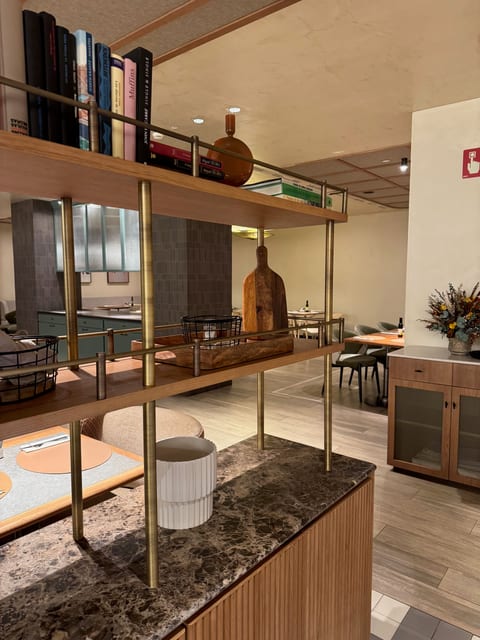 +10
+10 +6
+6 +1
+1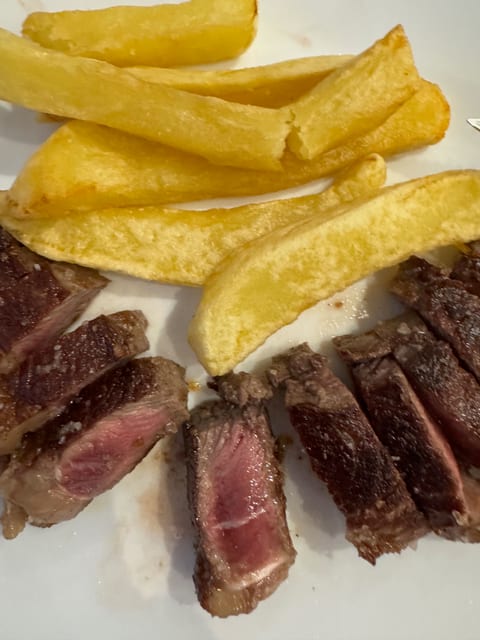 +2
+2 +2
+2
 +3
+3
 +3
+3
 +4
+4

 +1
+1